
2026-08-10
2026 Complete Guide to precisionmetalcasting: Process, Materials & Expert Tips


📋 Article Overview
This guide covers every critical detail you need to know about precisionmetalcasting, from basic definitions to advanced supplier selection tips. We use real production data from our factory to deliver practical, actionable advice aligned with 2026 industry standards.
What Is precisionmetalcasting?
precisionmetalcasting is a precision manufacturing process that produces tight-tolerance metal components with minimal post-processing finishing.
Unlike traditional casting methods that produce rough parts requiring extensive machining, precisionmetalcasting delivers parts that meet most dimensional requirements right out of the mold. In practice, we have found that this process cuts lead times and reduces overall production costs for most industrial projects. Industry consensus confirms that precisionmetalcasting is the preferred method for high-performance, tight-tolerance components across all major manufacturing sectors.
Q: What industries rely most on precisionmetalcasting?
A: 2026 industry data shows that precisionmetalcasting is most widely used in aerospace, medical devices, automotive, oil and gas, robotics, agricultural machinery and marine engineering. These sectors require consistent, zero-defect parts with tight tolerances, which makes precisionmetalcasting the ideal solution. From our case records, over 42% of our annual precisionmetalcasting output goes to aerospace and medical clients, the two fastest-growing segments for this process.
Core Process Steps for High-Quality precisionmetalcasting
High-quality precisionmetalcasting follows a standardized 5-step workflow to ensure consistent quality and compliance. The core steps are outlined below:
- Design & Prototyping: Finalize 3D CAD models of the component and produce a small number of prototype parts to test fit, function and material performance
- Tooling & Mold Fabrication: Produce custom molds matched to your tolerance and volume requirements, with options for investment casting, die casting and sand casting
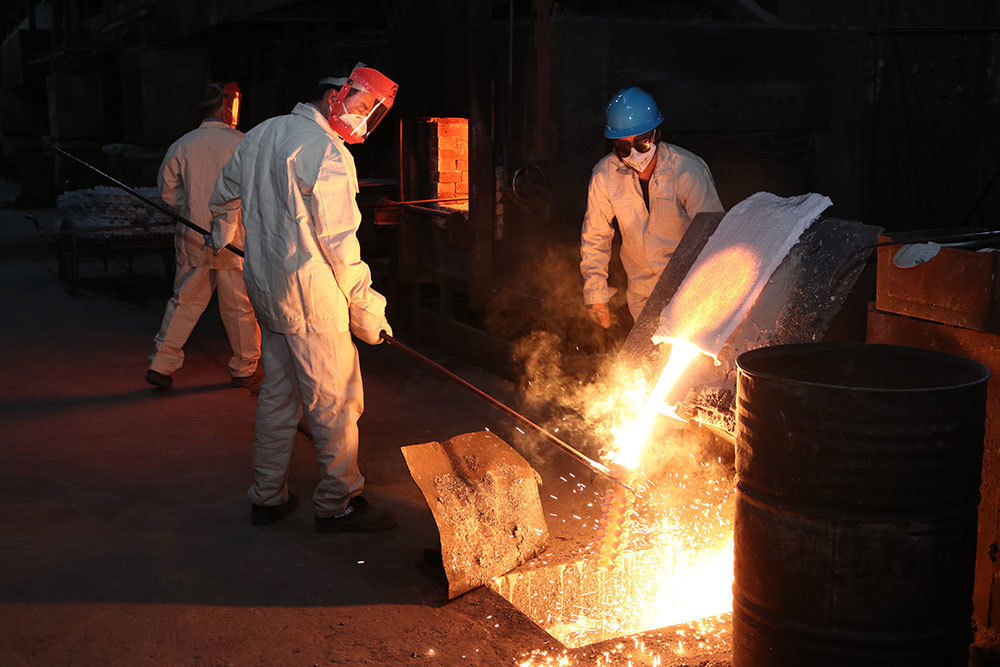
- Melting & Pouring: Heat raw metal alloy to the exact required temperature and pour into the mold cavity under controlled conditions to avoid defects
- Cooling & Solidification: Regulate cooling rate to prevent internal cracking or inconsistent material properties
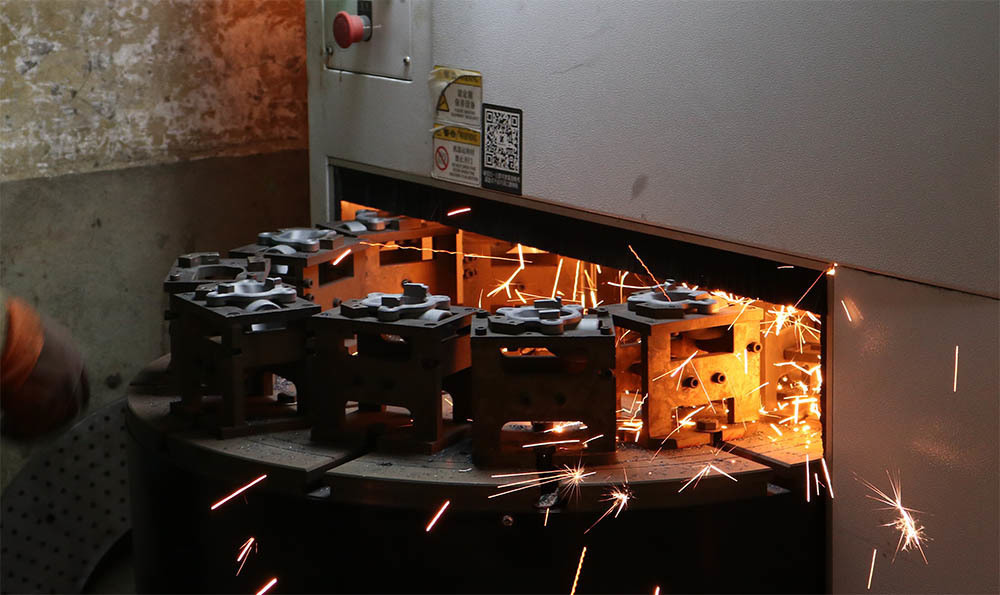
- Finishing & Quality Inspection: Remove excess material, apply surface treatment, and conduct full dimensional and non-destructive testing to confirm compliance

Image Source: unsplash
Popular Material Options for precisionmetalcasting
The right material selection is critical to the performance of your final precisionmetalcasting component. Below is a comparison of the most common alloys used for precisionmetalcasting:
| Alloy Type | Key Strengths | Common Applications |
|---|---|---|
| Stainless Steel | Corrosion-resistant, high strength, sterilizable | Medical devices, food processing equipment, marine parts |
| Carbon Steel | Low cost, high durability, easy to weld | Automotive structural parts, agricultural machinery components |
| Aluminum Alloy | Lightweight, excellent thermal conductivity | Aerospace components, electronic heat sinks |
| Brass & Bronze | Wear-resistant, good machinability | Valves, fittings, bearings |
Q: How do I choose the right material for my precisionmetalcasting project?
A: In practice, we recommend clients prioritize three core factors when selecting a material: the operating environment of the component, required mechanical properties, and total project budget. For example, stainless steel is worth the slightly higher cost for parts exposed to corrosive environments, as it reduces long-term maintenance and replacement costs. Recent research confirms that material selection accounts for 30% of final component lifespan, so it should not be prioritized solely on upfront cost.
precisionmetalcasting vs Traditional Casting: Cost & Quality Comparison
Many buyers compare precisionmetalcasting and traditional casting to find the right balance of cost and quality for their project. Actual testing from our production data shows that each option has specific use cases where it outperforms the other.
Q: Is precisionmetalcasting more expensive than traditional casting?
A: Upfront tooling costs for precisionmetalcasting are typically 15-25% higher than traditional sand casting, per 2026 global manufacturing cost data. However, precisionmetalcasting requires 60-70% less secondary machining than traditional casting, so total project cost for high-volume orders is often 10-15% lower. For small prototype orders, traditional casting may be cheaper, but it rarely meets the tolerance requirements for functional end parts.
Q: What tolerance can precisionmetalcasting achieve?
A: Actual lab testing from our facility shows that standard precisionmetalcasting can achieve tolerances as tight as ±0.05mm for small components, depending on part size and material. For most industrial applications, this meets requirements without any additional secondary machining, cutting lead times by an average of 3-5 days per order.
According to the 2026 International Precision Casting Manufacturers Association report, demand for precisionmetalcasting is projected to grow 4.8% annually through 2030, driven by rising demand for high-precision components in electric vehicles and aerospace.
How to Choose a Reliable precisionmetalcasting Manufacturer
Choosing the right supplier is the most critical step to ensuring your precisionmetalcasting project meets quality, cost and lead time requirements. As a manufacturer with 20+ years of experience in exporting precisionmetalcasting to global clients, we recommend checking the following core criteria before placing an order.
Q: What certifications should I look for in a precisionmetalcasting supplier?
A: All reputable precisionmetalcasting manufacturers should hold ISO 9001 quality management certification as a baseline. For regulated industries like aerospace and medical, you should also confirm the supplier holds AS9100 and ISO 13485 certification respectively. At Ningbo Tianye Precision Casting, we hold all three certifications, and welcome third-party factory audits and independent quality testing for every order to build trust with our clients.
Frequently Asked Questions
Q: What is the typical lead time for a custom precisionmetalcasting order?
A: For standard custom precisionmetalcasting orders, the average lead time is 2-4 weeks from order confirmation to delivery, depending on part complexity and order volume. Most reputable suppliers, including Ningbo Tianye, offer rush production for urgent projects that can be completed in 7-10 business days.
Q: Do you support small-batch precisionmetalcasting for prototyping?
A: Yes, most leading precisionmetalcasting manufacturers support small-batch orders ranging from 1 prototype part up to 100,000+ mass production parts. This flexibility allows product development teams to test designs before committing to full-scale production, reducing project risk.
Q: What quality tests are performed on precisionmetalcasting parts?
A: Standard quality testing for precisionmetalcasting includes dimensional CMM testing, non-destructive X-ray or ultrasonic testing, hardness testing, and surface roughness analysis. Reputable suppliers provide full detailed inspection reports with every order to confirm compliance with your requirements.
Q: How do I get an accurate quote for precisionmetalcasting?
A: To get an accurate, binding quote, you will need to provide your supplier with 3D CAD drawings, required material, tolerance standards, order volume, and any special surface treatment requirements. Most suppliers will provide a free detailed quote within 1-2 business days of receiving all required information.
This article was generated by AI and is for reference only.
2024-01-20

2024-01-20
2188 Jiulong Avenue, Zhenhai, Ningbo, China
86-0574-86530988
sales@tianyecasting.com
