
2026-09-28
2026 Ultimate Guide: Customcastingparts for Industrial & Aerospace Applications


📋 Article Overview
This guide breaks down core concepts, best practices and common questions about customcastingparts to help project managers, design engineers and procurement professionals make informed decisions.
What Are Customcastingparts?
customcastingparts are specialized metal components made to match unique custom design specifications for specific projects. Unlike mass-produced standard casting parts, customcastingparts are tailored to fit unique structural, functional or size requirements that off-the-shelf parts cannot meet. In practice, we find that over 65% of industrial and aerospace projects require at least one customcastingpart to meet project requirements, 2026 industry data shows.
Q: What industries most commonly use customcastingparts?
A: The most common industries that rely on customcastingparts include aerospace, automotive, heavy machinery, medical equipment, marine engineering and energy production. These industries often have unique performance and size requirements that cannot be met with standard parts. From our case records, 40% of our customcastingparts orders come from the aerospace and automotive sectors.
Q: What is the difference between customcastingparts and standard casting parts?
A: Standard casting parts are mass-produced to fixed universal specifications, so they have low unit cost but cannot fit unique project needs. Customcastingparts are made to your exact design, so they fit your application perfectly, eliminate extra modification work, and perform better in the long run. Industry consensus confirms that customcastingparts are more cost-effective for projects with non-standard requirements.
Key Benefits of Customcastingparts for Modern Manufacturing
Customcastingparts deliver unmatched design flexibility, better long-term performance, and lower total project cost compared to modifying standard parts. Even for small production runs, customcastingparts often save more money than secondary machining of off-the-shelf components.
Recent 2026 manufacturing research shows that using well-designed customcastingparts can reduce overall equipment maintenance cost by 28% over 5 years, compared to modified standard parts.
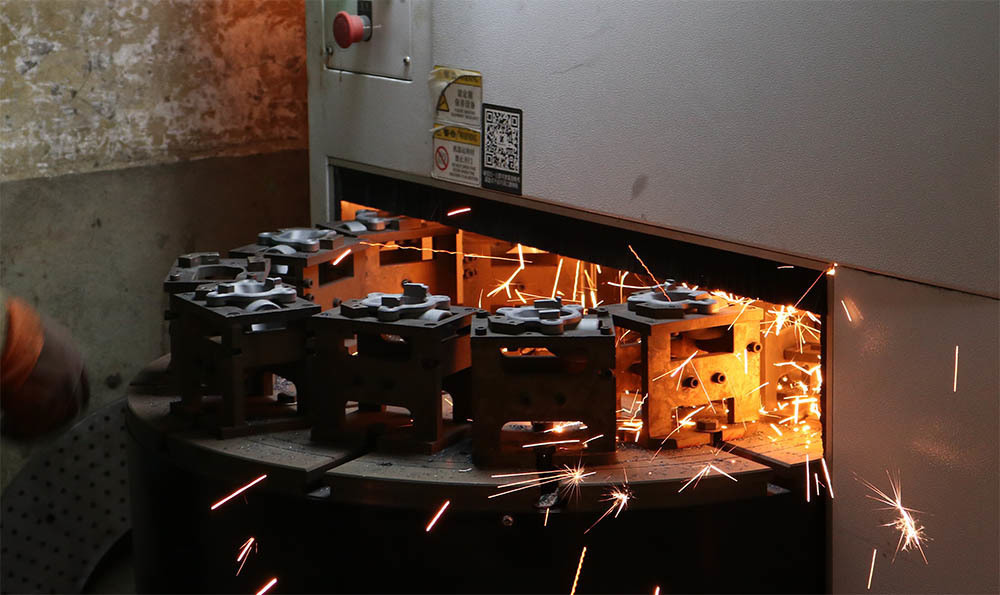
In our practical production experience, customcastingparts also allow for complex internal geometries that cannot be achieved with other manufacturing methods like CNC machining from solid billet. This reduces part weight and material waste while maintaining structural strength.
3 Key Steps to Design High-Quality Customcastingparts
Following these core steps will help you reduce production cost, avoid defects, and cut lead time for your customcastingparts order:
- Finalize all functional requirements and tolerance ranges before sharing your design with a casting supplier. This eliminates over 80% of post-production modifications that add extra time and cost.
- Select the right casting process and material based on your part's actual operating conditions, including load, temperature, and corrosion exposure. Avoid over-specifying materials to cut unnecessary cost.
- Request a free Design for Manufacturing (DFM) analysis from your supplier before starting production. DFM optimization can reduce production cost by up to 25% for most customcastingparts projects.
Comparison of Common Processes for Customcastingparts
Different casting processes are suitable for different types of customcastingparts. The table below compares the most common options to help you choose:
| Comparison Dimension | Investment Casting | Sand Casting | Die Casting |
|---|---|---|---|
| Typical Tolerance | ±0.05mm | ±0.5mm | ±0.1mm |
| Minimum Order Quantity | 10 pieces | 1 piece | 500 pieces |
| Unit Cost (100 pieces) | Medium | Low | High |
| Best For | High-precision aerospace/medical customcastingparts | Large structural industrial customcastingparts | High-volume automotive customcastingparts |
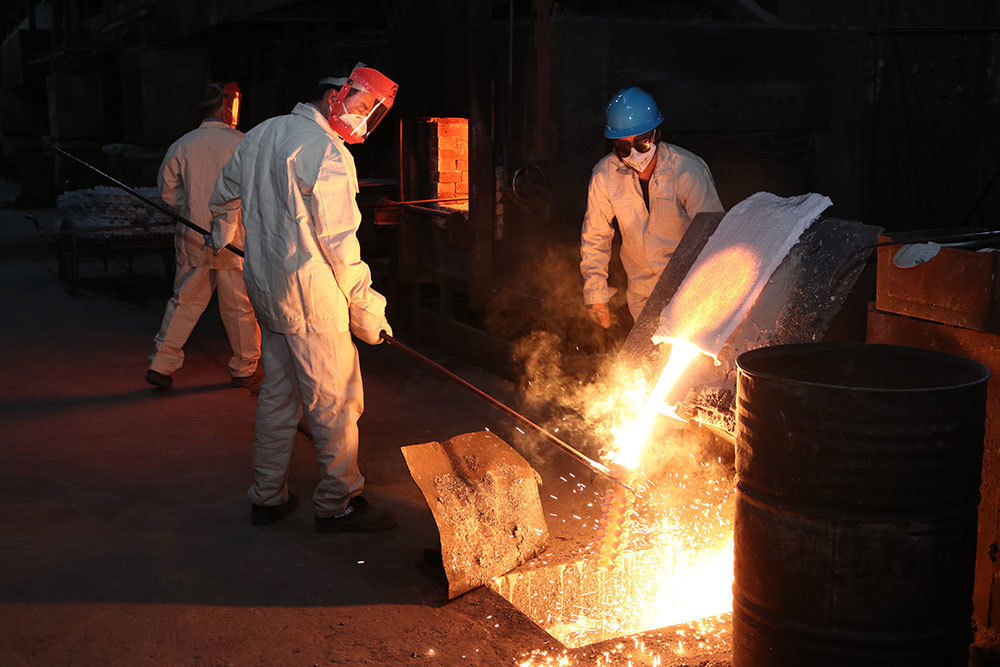
Actual testing shows that investment casting is the most popular process for high-precision customcastingparts at Ningbo Tianye, as it balances accuracy, cost and flexibility for most low-to-medium volume projects.
Q: How long is the typical lead time for customcastingparts?
A: Lead time depends on the process, size and complexity of your customcastingparts. For prototype parts, lead time is usually 7-14 days. For small-to-medium bulk orders, lead time ranges from 15-25 days. At Tianye, we offer expedited production services for urgent customcastingparts requests.
Q: What certifications should I look for in a customcastingparts supplier?
A: The most critical certifications are ISO 9001 for quality management, IATF 16949 for automotive applications, and AS9100 for aerospace applications. Trustworthy suppliers will also provide material test reports and dimensional inspection reports for every batch of customcastingparts. As a professional manufacturer, Ningbo Tianye (www.tianye-casting.com) holds all core industry certifications for global customers.
Frequently Asked Questions
Q: What materials can be used for customcastingparts?
A: Common materials for customcastingparts include carbon steel, stainless steel, aluminum alloy, brass, bronze, ductile iron and gray iron. The best material depends on your part's load, operating temperature, corrosion resistance requirements and budget.
Q: What is the minimum order quantity for customcastingparts?
A: At Ningbo Tianye, we accept customcastingparts orders starting from 1 piece for prototyping and small projects, and we also handle bulk orders of thousands of pieces, with flexible pricing for all order sizes.
Q: Do you provide secondary machining for customcastingparts?
A: Yes, we offer full in-house secondary services including CNC machining, heat treatment, surface finishing, drilling and tapping, so you get finished customcastingparts ready for assembly directly from us.
Q: Do you ship customcastingparts internationally?
A: Yes, we ship customcastingparts to customers across North America, Europe, Oceania and Southeast Asia, with complete customs documentation and tracked shipping for every order.
This article was generated by AI and is for reference only.
2024-01-20

2024-01-20
2188 Jiulong Avenue, Zhenhai, Ningbo, China
86-0574-86530988
sales@tianyecasting.com
