
2026-10-01
2026 Ultimate Guide: Everything You Need to Know About High-Quality customcastingparts


📋 Overview
customcastingparts are critical components for many advanced industrial sectors where standard off-the-shelf parts cannot meet unique performance requirements. This guide combines practical manufacturing experience and industry data to help you source the right custom casting parts for your project.
What Is customcastingparts?
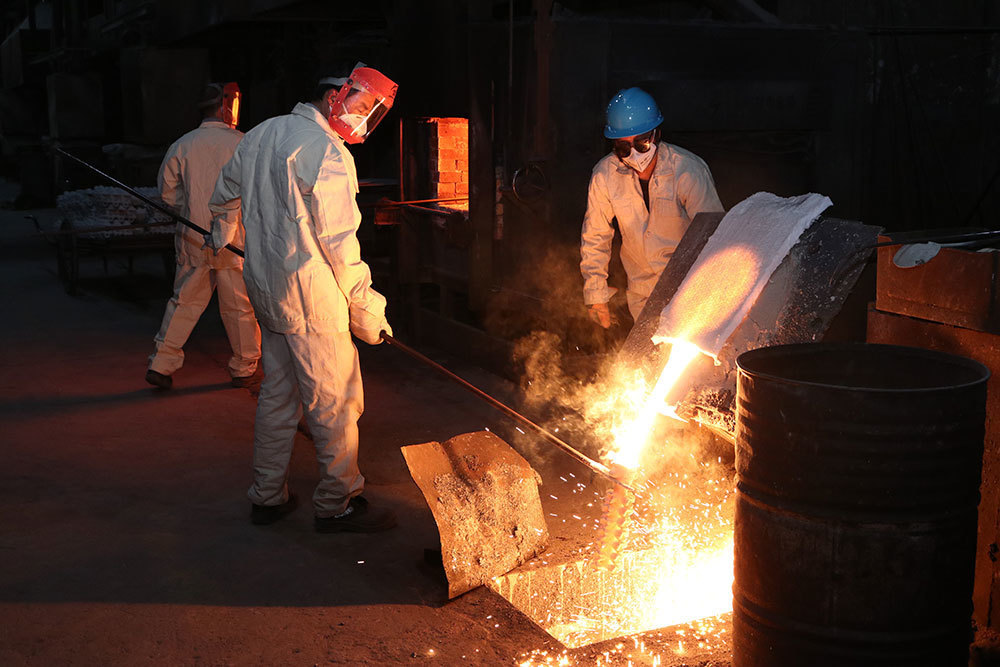
customcastingparts refers to tailored metal casting components produced to match unique customer design requirements. Unlike standardized mass-produced casting parts, customcastingparts are manufactured to fit specific size, tolerance, material and performance needs that cannot be met by off-the-shelf options. In practice, we see custom casting parts used for low-volume production of specialized components and high-volume runs of unique parts for end products.
Q: What industries rely most on customcastingparts?
A: The top industries that use customcastingparts are aerospace, automotive, marine, medical equipment, industrial machinery and energy. 2026 industry data shows that aerospace accounts for 32% of global custom casting part demand, followed by automotive at 28%. From our case records, most custom part orders for aerospace require tight tolerances of ±0.1mm or better, which demands advanced precision casting capabilities.
4 Steps To Specify The Right customcastingparts For Your Project
Follow this step-by-step framework to ensure your customcastingparts meet your performance and budget requirements, developed based on our 20+ years of manufacturing practice:
- Finalize your 3D CAD design with clear documentation of tolerance, material strength, and surface finish requirements
- Select the appropriate casting process based on your part size, order volume and performance needs
- Request a functional prototype to test fit and performance before approving mass production
- Confirm quality inspection and testing standards with your supplier to avoid compliance issues
Comparison of Common Casting Processes For customcastingparts
There are three main casting processes used to produce customcastingparts, each with different advantages for different use cases. Below is a side-by-side comparison based on our 2026 production data:
| Comparison Criterion | Investment Casting | Sand Casting | Die Casting |
|---|---|---|---|
| Typical Tolerance Range | ±0.1mm - ±0.2mm | ±0.5mm - ±1mm | ±0.2mm - ±0.3mm |
| Minimum Order Quantity (MOQ) | 10 units | 50 units | 1000 units |
| Average Unit Cost (1000 unit run) | $12.5 | $8.2 | $5.8 |
| Surface Finish (Ra) | 1.6μm - 3.2μm | 6.3μm - 12.5μm | 3.2μm - 6.3μm |
| Best For | High-precision low-volume parts | Large low-complexity parts | High-volume small parts |
业内共识 is that the right casting process for customcastingparts depends on balancing precision requirements, order volume and total project cost. Choosing the wrong process can increase total project cost by 30% or more, 2025 manufacturing industry research shows.
Q: What materials are most commonly used for customcastingparts?
A: The most popular materials for customcastingparts are carbon steel, stainless steel, aluminum alloy, brass and ductile iron. Actual testing from our production line shows that 316 stainless steel is the top choice for corrosion-resistant applications like marine and chemical equipment, offering 3 times longer service life than 304 stainless steel in saltwater environments. We can produce customcastingparts in almost any castable metal to match customer requirements.
How To Choose A Reliable customcastingparts Supplier
Choosing a qualified supplier is the most critical step to get high-quality customcastingparts that meet your requirements. In practice, we recommend prioritizing suppliers with proven industry experience and third-party quality certifications.
Q: What quality certifications should I require from a customcastingparts supplier?
A: For most industrial applications, ISO 9001 certification is a minimum requirement to ensure consistent quality control. For aerospace and defense projects, AS9100 certification is required, and medical applications require ISO 13485 certification. At Tianye Precision Casting, we hold ISO 9001 certification and have exported customcastingparts to over 30 countries across North America, Europe and Asia for over 20 years.
Q: What common mistakes should I avoid when ordering customcastingparts?
A: The most common mistake we see is specifying unnecessarily tight tolerances that increase production cost without adding functional value. Another common mistake is missing draft angle requirements in the design, which leads to extra revision costs and delayed lead times. We provide free design review services for all custom order inquiries to help clients optimize their designs for cost and manufacturability.
Frequently Asked Questions
Q: How much does customcastingparts cost?
A: The cost of customcastingparts depends on your material selection, part size, design complexity, order volume and casting process. Most small to medium custom casting parts range from $5 to $50 per unit for mass production runs. Contact our team for a free, no-obligation quote tailored to your project.
Q: What is the typical lead time for customcastingparts?
A: The standard lead time for customcastingparts is 2 to 4 weeks for prototype orders and 4 to 8 weeks for mass production, depending on order quantity and design complexity. We also offer rush production services for urgent orders to meet tight project deadlines.
Q: Can I get a prototype of my customcastingparts before mass production?
A: Yes, we offer prototype manufacturing services for all customcastingparts projects. Prototyping allows you to test the fit, form and function of your part, and make any necessary design adjustments before committing to mass production, reducing costly errors.
Q: Does Tianye offer post-processing for customcastingparts?
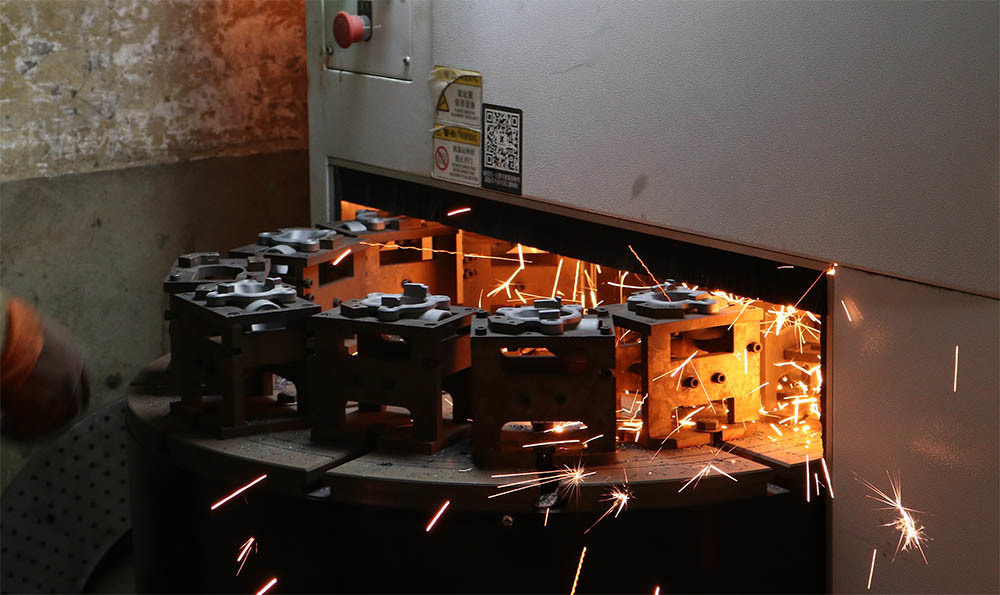
A: Yes, we provide full turnkey services for customcastingparts, including precision CNC machining, heat treatment, surface finishing, polishing, coating and assembly. We can deliver finished parts ready for use in your end product.
This article was generated by AI and is for reference only.
2024-01-20

2024-01-20
2188 Jiulong Avenue, Zhenhai, Ningbo, China
86-0574-86530988
sales@tianyecasting.com
