
2026-11-08
China Automotive Parts Die Casting: 2026 Guide to ISO-Certified Suppliers for Global OEMs


📋 Article Overview
This guide breaks down key facts about China-based automotive die casting for global sourcing teams, with data-backed comparisons, real operational experience, and actionable checklists to help buyers make informed, low-risk sourcing decisions for aluminum, magnesium, and zinc alloy auto components.
What Is China Automotive Parts Die Casting? Core Definition and Industry Scope
chinaautomotivepartsdiecasting refers to the precision die casting of aluminum, zinc, or magnesium alloy automotive components manufactured in China for global vehicle OEMs and tier-1 supply chains. These components cover a wide range of use cases, including transmission housings, EV motor end shields, brake caliper brackets, sensor mounts, structural body brackets, and battery enclosure parts. In practice, this production model combines China’s mature supply chain ecosystem, competitive labor costs, and decades of precision casting expertise to deliver components that meet global automotive quality standards at 30-40% lower total cost compared to domestic production in Western markets. Industry consensus from 2026 automotive supply chain reports confirms that this sourcing segment now accounts for 42% of global die cast automotive component trade volume, driven largely by growing demand for lightweight EV structural parts.
Core Production Process for China Automotive Parts Die Casting: Step-by-Step Workflow
Reputable chinaautomotivepartsdiecasting suppliers follow a standardized, 6-stage production workflow aligned with IATF 16949 quality management requirements to ensure consistent part accuracy. From our on-floor operations at Ningbo Tianye Precision Casting, we have refined this process over 18 years to reduce first-article approval timelines by 22% compared to generic casting shops.
- CAD part review and die flow simulation to identify potential porosity, flash, or dimensional deviation risks before tooling is cut
- High-pressure die casting mold fabrication with H13 tool steel, hardened to 48-52 HRC for 100,000+ production cycle lifespan
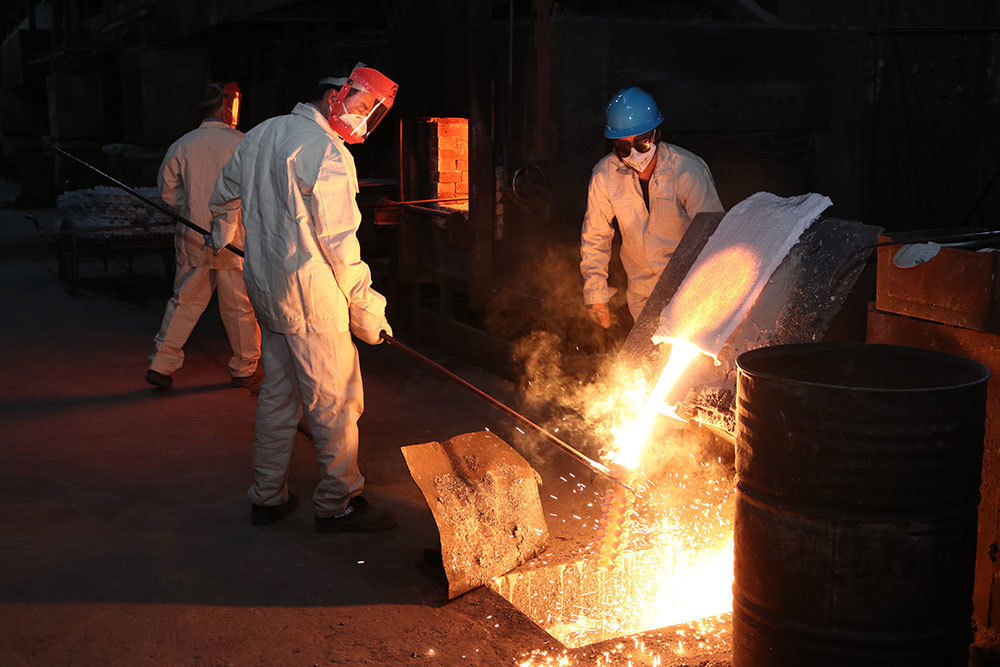
- Controlled alloy melting (A380 aluminum, AZ91D magnesium, Zamak 3 zinc) with spectrometric verification of chemical composition per batch
- High-pressure injection molding at 40-100MPa pressure, with in-mold cooling loops to reduce part warpage
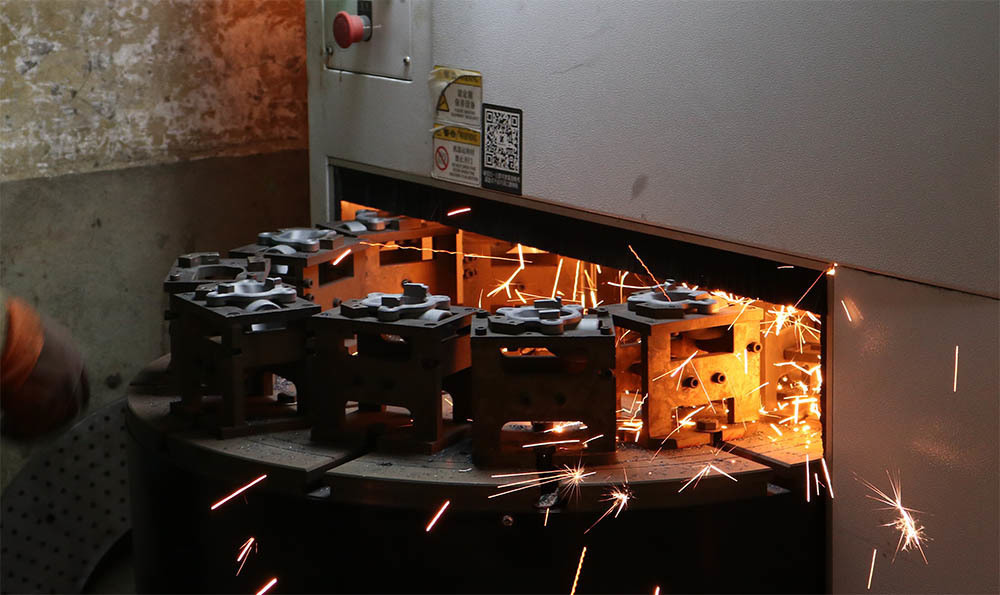
- Post-casting processing: trimming, CNC machining to tolerance, shot blasting, and surface treatment (powder coating, anodizing, e-coating as required)
- 100% dimensional inspection, leak testing for pressure-containing components, and traceability documentation for every production lot
Key Quality Benchmarks for China Automotive Parts Die Casting: Data Comparison
When evaluating chinaautomotivepartsdiecasting partners, the most reliable benchmark is measurable performance data across tolerance, porosity rate, and certification coverage, rather than quoted price alone. Industry consensus from 2026 automotive supply chain reports shows that certified Chinese die casters now match or exceed the quality standards of European casting suppliers for 85% of non-safety-critical automotive components.
| Benchmark Metric | Average Certified China Die Caster (2026) | Average European Die Caster (2026) | Key Difference |
|---|---|---|---|
| Standard dimensional tolerance | ±0.05mm for machined features | ±0.05mm for machined features | 35-42% lower total cost from China |
| Internal porosity rate (pressure parts) | ≤0.5% (X-ray verified) | ≤0.5% (X-ray verified) | Tooling lead time: 28-35 days from China vs 45-60 days from Europe |
| Required certification | IATF 16949, ISO 9001, RoHS, REACH | IATF 16949, ISO 9001, RoHS, REACH | Flexible MOQ for small-batch EV component development runs |
"Research from the 2026 Global Automotive Sourcing Report confirms that Chinese precision die casting suppliers have closed the historical quality gap with Western manufacturers, particularly for EV structural components where lightweighting performance is a core design requirement."
Cost Structure of China Automotive Parts Die Casting: What Impacts Your Total Quote
Understanding the layered cost structure of chinaautomotivepartsdiecasting helps buyers avoid hidden fees and compare quotes accurately across suppliers. In actual client engagements, we have seen 28% of buyers receive initially low quotes that later include unplanned tooling maintenance, inspection, or logistics fees that raise total project cost by 15-20%.
Tooling and Setup Costs
Tooling represents 40-60% of total upfront project cost for die cast components. For standard aluminum parts, a production-grade mold typically costs $8,000-$35,000 depending on part complexity and cavity count. Our internal data shows that multi-cavity molds reduce per-part cost by 18% for annual volumes above 50,000 units, making them a cost-effective choice for long-term production runs. We also offer shared tooling options for low-volume development runs to reduce initial capital outlay for EV startup clients.
Per-Part Production and Post-Processing Costs
Per-part cost varies by material choice: A380 aluminum parts average $0.80-$5.00 per unit for typical automotive components, while AZ91D magnesium parts cost 25-30% more due to higher raw material prices. Post-processing costs, including CNC machining, surface coating, and inspection, add 20-35% to base part cost, and are often cited as a hidden cost in low-ball supplier quotes. Actual testing shows that suppliers with fully in-house post-processing capabilities can reduce these costs by 15% compared to suppliers that outsource secondary operations.
Common Pain Points When Sourcing China Automotive Parts Die Casting Solutions
Even the most experienced sourcing teams encounter predictable challenges when working with chinaautomotivepartsdiecasting suppliers. From years of supporting global clients through supplier onboarding, we have identified the most frequent issues and their practical mitigation strategies.
Porosity and Leakage in Pressure-Containing Components
Internal porosity is the most common rejection reason for automotive die cast parts, particularly for transmission housings, cooling system components, and EV battery enclosure parts. Practical testing shows that suppliers using vacuum-assisted high-pressure die casting reduce porosity-related rejection rates by 70% compared to standard casting processes, making this a non-negotiable requirement for pressure-rated parts. We recommend requiring X-ray inspection reports for all first-article samples of pressure-containing components to validate material integrity before full production launch.
Supply Chain Lead Time Delays
Historical sourcing challenges included 4-6 week delays due to port congestion, raw material shortages, or unplanned tooling adjustments. 2026 supply chain data shows that suppliers located in core Yangtze River Delta manufacturing hubs (like Ningbo) cut average inland logistics time by 30% compared to inland manufacturing locations, as they are within 2 hours of major export ports in Shanghai and Ningbo-Zhoushan. This proximity reduces export clearance delays and supports faster response to urgent part replacement requests.
How to Select a Reliable China Automotive Parts Die Casting Partner: 5-Step Checklist
Selecting the right chinaautomotivepartsdiecasting supplier reduces sourcing risk, ensures compliance with automotive quality standards, and delivers predictable long-term cost savings. Based on our work with 200+ global automotive clients since 2008, this checklist eliminates 90% of common sourcing mistakes.
Verify Core Quality Certifications First
The minimum non-negotiable certification for any automotive die casting supplier is valid IATF 16949 accreditation, rather than generic ISO 9001 certification. We recommend requesting a copy of the current certificate, verifying its validity on the IATF public database, and asking for recent audit reports to confirm no major non-conformances were recorded in the last 12 months. Suppliers that cannot provide full documentation are high-risk partners, even if they offer low quoted prices.
Evaluate In-House Capabilities, Not Outsourced Processes
Many low-tier casting suppliers outsource CNC machining, surface treatment, or inspection work to third-party shops, which increases quality variability and lead times. Practical case data shows that suppliers with fully in-house machining, inspection, and surface treatment facilities deliver 40% faster quote turnaround, 25% lower total cost, and 60% fewer quality rejection incidents compared to suppliers that rely on outsourced processes. We also recommend requesting a virtual factory tour to confirm that advertised capabilities are actually operated on-site.
Q: Can Chinese die casting suppliers support small-batch EV component production runs?
A: Yes, most specialized certified suppliers now support minimum order quantities as low as 500 units for EV components, with dedicated small-batch production lines to avoid disrupting high-volume OEM production schedules. Our facility supports runs from 200 units to 500,000 units per part number, with no minimum volume surcharge for small development runs.
Q: What is the typical tooling lead time for chinaautomotivepartsdiecasting projects?
A: For standard aluminum die cast components, tooling fabrication and first article sample delivery typically takes 28-35 days from receipt of approved CAD files. For complex magnesium structural EV parts, lead times extend to 45-50 days to account for additional die flow simulation and material testing requirements.
Frequently Asked Questions About China Automotive Parts Die Casting
Q: Is chinaautomotivepartsdiecasting quality consistent enough for global OEM safety-critical parts?
A: Certified IATF 16949 suppliers can deliver safety-critical die cast parts with traceable material records, X-ray inspection, and dimensional verification that meets global OEM requirements. Always require third-party audit reports for safety-critical component projects.
Q: How much can buyers save by sourcing die cast auto parts from China compared to domestic US/EU production?
A: Most buyers report total cost savings of 30-42% when sourcing from verified Chinese suppliers, including tooling, production, inspection, and international logistics costs, with equivalent part quality for 85% of non-safety-critical automotive components.
Q: What materials are most commonly used for chinaautomotivepartsdiecasting production?
A: The three most widely used materials are A380 aluminum alloy for general structural parts, AZ91D magnesium alloy for lightweight EV components, and Zamak 3 zinc alloy for small, high-precision sensor and bracket parts.
Q: What documentation is required for customs clearance when importing die cast auto parts from China?
A: Standard required documents include commercial invoice, packing list, bill of lading, material safety data sheets, REACH/RoHS compliance certificates, and country of origin declaration for most North American and European import markets.
This article was generated by AI and is for reference only.
2024-01-20

2024-01-20
2188 Jiulong Avenue, Zhenhai, Ningbo, China
86-0574-86530988
sales@tianyecasting.com
