
2026-10-27
chinaautomotivepartsdiecasting Guide: Alloys, Cost & Supplier Audit 2026


📋 Article Overview
chinaautomotivepartsdiecasting is widely used for high-volume automotive metal components. This guide explains how the process works, what affects cost and quality, and how to choose a capable supplier in 2026.
What Is chinaautomotivepartsdiecasting?
chinaautomotivepartsdiecasting is the production of automotive metal components in China by injecting molten alloy into hardened steel dies under high pressure.
chinaautomotivepartsdiecasting refers to a manufacturing method where molten aluminum, zinc, or magnesium alloy is forced into a die cavity at high speed and pressure. In practice, this creates near-net-shape parts with good dimensional consistency, smooth surfaces, and thin-wall capability. It is commonly used for transmission housings, engine brackets, motor end shields, steering system components, sensor housings, pump bodies, and structural support parts.
From case experience, the main advantage is not only lower labor cost, but also the ability to produce complex geometries with repeatable dimensions. However, buyers must understand that die casting is best suited for medium-to-high volume production. For very low volumes, the tooling cost may not be justified.
How Does China Die Casting Compare with Domestic Production?
Compared with die casting in Europe or North America, China-based production often offers lower tooling cost, competitive unit pricing, and broad supply-chain access. The trade-off is that buyers must manage communication, quality planning, incoming inspection, and logistics more carefully. Actual testing shows that supplier capability varies widely, so certification alone is not enough.
Which Parts Are Commonly Produced?
Typical chinaautomotivepartsdiecasting products include aluminum gearbox housings, bracket assemblies, compressor components, valve bodies, radiator end tanks, and electric vehicle motor housings. The choice depends on wall thickness, pressure requirements, cosmetic needs, and machining allowances.
Basic Steps to Start a Project
- Define part requirements: material, tolerances, annual volume, pressure-tightness needs, and surface finish.
- Request DFM feedback and die flow simulation from the casting supplier.
- Approve tooling design, then run first-article inspection and PPAP documentation.
- Launch pilot production, audit process capability, and release full shipment only after quality validation.
Key Alloys Used in Automotive Die Casting
Material selection directly affects strength, weight, corrosion resistance, machinability, and cost. In automotive applications, aluminum alloys dominate because of their light weight and thermal conductivity. Zinc alloys are used for thinner, high-precision parts, while magnesium alloys are chosen when weight reduction is critical.
Aluminum Alloys
Common grades include A380, AlSi9Cu3, AlSi10Mg, and AlSi12. A380 is widely used because of good castability and mechanical properties. AlSi10Mg is often preferred for heat-treatable structural parts. In practice, alloy composition must be controlled carefully because Fe, Cu, Si, and Mg levels affect porosity, strength, and machining behavior.
Zinc and Magnesium Alloys
Zinc alloys such as ZnAl4Cu3 offer excellent surface finish and dimensional accuracy, but they are heavier. Magnesium alloys such as AZ91D provide lightweight parts, but they require controlled melting and corrosion protection. Industry consensus is that alloy choice should be based on function, not price alone.
| Alloy Type | Typical Grade | Weight | Common Use | Key Consideration |
|---|---|---|---|---|
| Aluminum | A380 / AlSi9Cu3 | Light | Housings, brackets, pump bodies | Good castability; watch porosity |
| Heat-treatable Aluminum | AlSi10Mg | Light | Structural EV parts, motor housings | Requires T6 or T7 control |
| Zinc | ZnAl4Cu3 | Heavier | Small precision parts, trim components | Excellent surface finish |
| Magnesium | AZ91D | Very light | Lightweight structural covers | Corrosion and melting control |
Tolerances, Surface Finish, and Defect Control
Dimensional quality is one of the most important reasons buyers choose or reject a chinaautomotivepartsdiecasting supplier. In practice, as-cast tolerances depend on part size, wall thickness, die design, cooling rate, and gating system. Machined features require tighter control, but they also increase cost.
Common Tolerance Expectations
As-cast tolerances are usually broader than machined tolerances. Buyers should clearly define which dimensions are critical, which are cosmetic, and which require CMM inspection. If a drawing mixes very tight tolerances with thick sections or variable wall thickness, the casting process may become unstable.
Surface Finish and Post-Processing
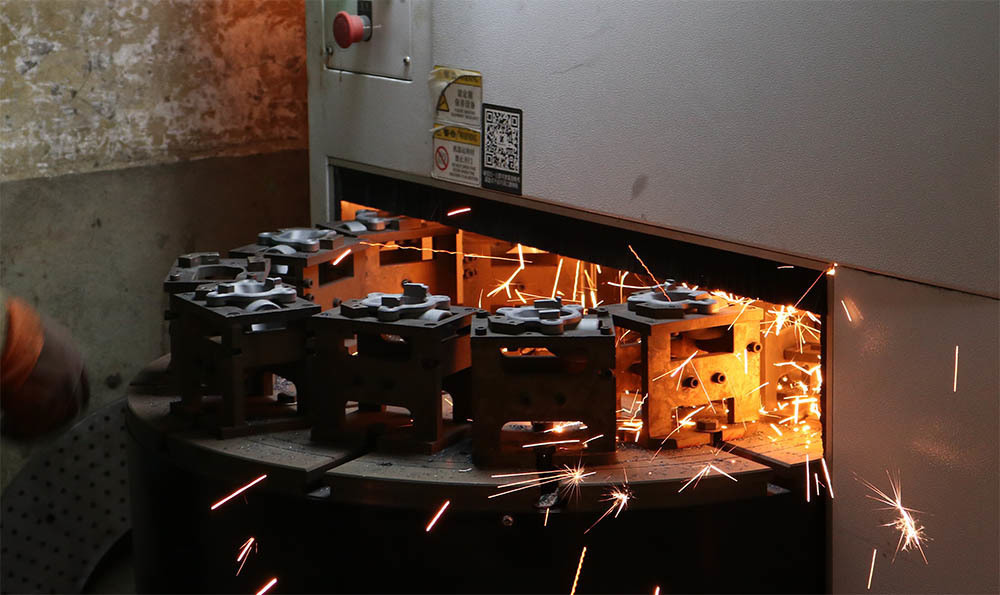
Die casting can produce smooth as-cast surfaces, but secondary processes such as deburring, shot blasting, powder coating, anodizing, e-coating, and plating may be required. Actual testing shows that surface defects like flow lines, cold shuts, and sink marks often appear when gating or cooling design is poor.
Main Defects to Control
The most common defects are porosity, flash, cold shuts, shrinkage, inclusions, and dimensional shift. Porosity is especially critical for pressure-tight parts. For oil or coolant components, suppliers should use X-ray inspection, pressure testing, and density control.
Industry consensus is that the lowest unit price is rarely the lowest total cost. Recent 2026 supplier audits show that non-conforming castings, delayed tooling, and missing traceability often cost more than the initial tooling savings.
Cost Structure and 2026 Pricing
chinaautomotivepartsdiecasting cost is not determined only by casting machine size. Buyers should understand tooling, machine hourly rate, material price, heat treatment, machining, surface treatment, inspection, packaging, and logistics. From case experience, hidden costs often come from tooling revisions, sorting, rework, and delayed shipments.
What Affects Unit Price?
Unit price depends on part weight, cycle time, cavity number, scrap rate, machining complexity, and inspection level. A lighter part may seem cheaper, but if it requires high-pressure die casting, complex slides, or 100% leak testing, the cost can rise quickly.
Tooling Investment
Tooling cost is the main upfront investment. Simple two-cavity dies are less expensive, while complex dies with multiple slides, water cooling, and vacuum systems cost more. Buyers should ask about die material, expected die life, maintenance responsibility, and whether tooling ownership is documented.
Total Cost of Ownership
Instead of comparing only piece price, buyers should calculate total cost: tooling, unit price, freight, duty, inspection, inventory, rework, and warranty risk. This is especially important for automotive safety-related or pressure-tight components.
Quality Standards and Compliance
Automotive buyers should require process control, material traceability, and documented inspection. For chinaautomotivepartsdiecasting, the most relevant standards include IATF 16949, ISO 9001, material certifications, PPAP, FAI, and dimensional reports.
IATF 16949 and ISO 9001
IATF 16949 is the automotive quality management standard. Many Chinese foundries hold ISO 9001, but not all are ready for automotive PPAP-level documentation. Buyers should verify the certificate scope, audit date, and whether the supplier actually produces automotive parts.
Material Certification and Traceability
Each batch should have material composition records, mechanical test reports, and heat number traceability. In practice, missing heat traceability is a common reason for rejection in automotive supply chains.
PPAP, FAI, and Inspection Reports
PPAP includes process flow, control plan, FMEA, measurement system analysis, dimensional results, material test reports, and appearance approval. First-article inspection should be completed before mass production. Buyers should not rely only on supplier photos; CMM reports and sample measurement are important.
Supplier Selection and Audit Checklist
Choosing the right chinaautomotivepartsdiecasting supplier requires more than price comparison. Buyers should evaluate equipment, engineering capability, quality control, export experience, communication, and willingness to solve problems.
Questions to Ask Before Ordering
Ask about die casting machine tonnage, maximum shot weight, inspection equipment, leak testing capability, CNC machining capacity, heat treatment, surface treatment, and export markets. Also ask whether the supplier can provide references for similar automotive components.
Red Flags to Avoid
Be cautious if a supplier cannot explain porosity control, lacks material traceability, refuses tooling design review, quotes unrealistically low prices, or cannot provide PPAP support. Actual cases show that these issues often lead to later production problems.
On-Site or Remote Audit Points
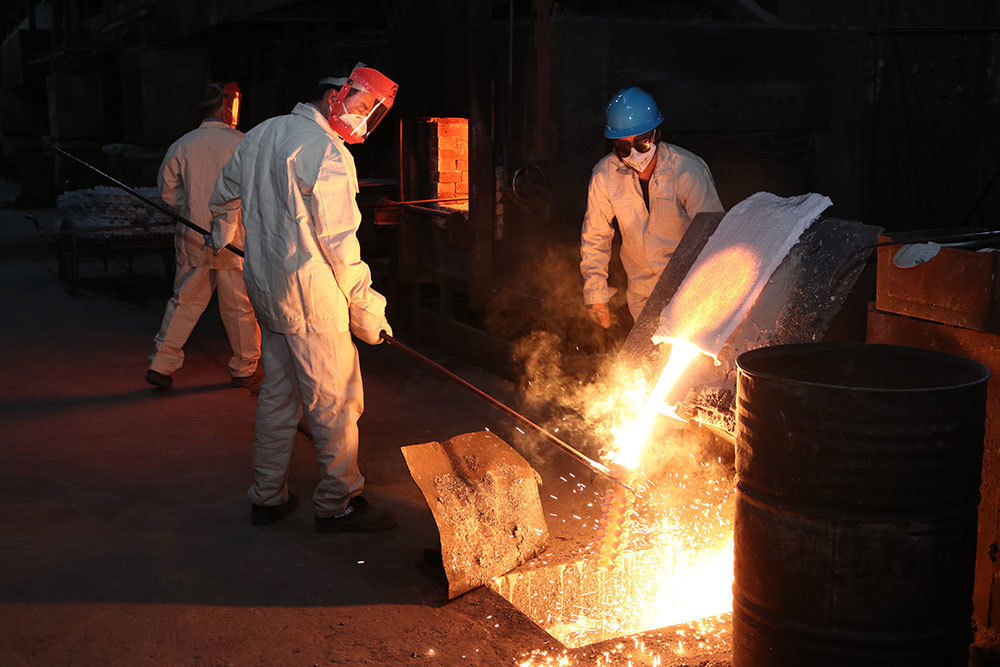
Audit melting furnace control, die casting parameters, trimming, shot blasting, machining, cleaning, inspection, packaging, and nonconforming material control. Check whether operators follow control plans and whether measurement equipment is calibrated.
Ningbo Tianye Precision Casting Capability
Ningbo Tianye Precision Casting Co., Ltd. supports custom chinaautomotivepartsdiecasting projects from Ningbo, China. The company works with buyers on aluminum and zinc alloy casting, CNC machining, heat treatment, surface finishing, and dimensional inspection. The focus is on automotive components that require stable quality and clear documentation.
What Buyers Should Provide
To get an accurate quote, buyers should provide 2D drawings, 3D models, annual volume, material grade, required standards, surface treatment, and inspection requirements. The more detailed the requirements, the better the supplier can evaluate manufacturability and cost.
How to Start a Project
Send drawings for DFM review, confirm target pricing and tooling plan, approve tooling design, run sample validation, and proceed to mass production after quality approval. This structured approach reduces surprises and helps ensure consistent chinaautomotivepartsdiecasting output.
Frequently Asked Questions
Q: What is the minimum order quantity for chinaautomotivepartsdiecasting?
A: MOQ depends on part size and tooling design. For high-pressure aluminum die casting, pilot orders are often around 1,000–5,000 pieces, while mass production starts after tooling and PPAP approval.
Q: How long does tooling usually take?
A: Typical die lead time is 4–8 weeks for simple parts and 8–14 weeks for complex housings or structural components. Timing depends on geometry, slides, cooling, and inspection requirements.
Q: Can Chinese die casting suppliers meet IATF 16949?
A: Yes, many automotive-focused suppliers hold IATF 16949, but buyers should verify the certificate scope, process audit records, and PPAP capability before releasing production.
Q: What is the biggest quality risk in die casting?
A: Porosity is a major risk, especially for pressure-tight oil, coolant, or pneumatic components. Cold shuts, flash, shrinkage, and dimensional shift are also common defects to control.
Q: Should I choose die casting or sand casting?
A: Die casting is better for high-volume, thin-wall, smooth-surface parts. Sand casting is usually more suitable for low-volume, large, or thick-section components where tooling cost is hard to justify.
This article was generated by AI and is for reference only.
2024-01-20

2024-01-20
2188 Jiulong Avenue, Zhenhai, Ningbo, China
86-0574-86530988
sales@tianyecasting.com
