
2026-11-17
chinainvestmentcastingfactory: 2026 Buyer Guide for Precision Lost Wax Casting


📋 Article Overview
Learn how to identify, evaluate, and onboard a qualified Chinese investment casting factory for 2026, including capability benchmarks, quality control checks, and common sourcing risks.
What Is a chinainvestmentcastingfactory and Why It Matters in 2026
A chinainvestmentcastingfactory is a Chinese lost-wax foundry producing near-net-shape metal components for global OEMs. In practice, this type of factory is often chosen when parts require complex geometry, good surface finish, reduced machining, and consistent material properties.
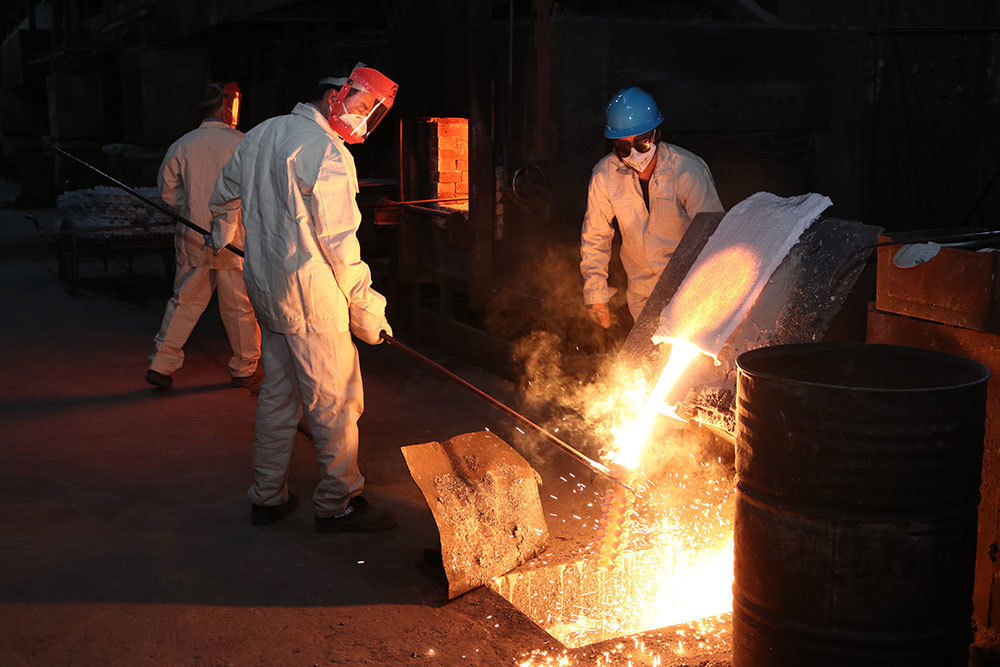
chinainvestmentcastingfactory refers to a manufacturing facility in China that uses investment casting, also called lost wax casting, to produce metal parts from materials such as stainless steel, carbon steel, alloy steel, and heat-resistant alloys. The process creates wax patterns, assembles them onto a tree, coats them with ceramic shells, melts out the wax, and pours molten metal into the cavity.
From case data, buyers usually approach a Chinese investment casting factory when their parts are too complex for die casting, too small or detailed for sand casting, or when machining from solid bar would create excessive waste and cost. In 2026, global procurement teams are not only looking for price advantage; they also expect traceability, faster sampling, engineering support, and predictable delivery.
Typical Applications of Chinese Investment Casting
Actual production examples include valve bodies, pump components, food machinery parts, automotive fittings, marine hardware, firearms components, architectural hardware, and custom industrial parts. The process is especially useful for parts with thin walls, internal passages, irregular contours, or decorative surfaces that should remain smooth after casting.
What Buyers Expect from a 2026 Supplier
Industry consensus is that buyers now expect more than casting output. They demand 3D drawing review, manufacturability feedback, material certificates, first article inspection, dimensional reports, surface treatment options, and CNC machining under one coordinated supply chain. In practice, a factory that only casts raw parts may create hidden costs through poor dimensional control or unreliable shell quality.
Core Capabilities to Verify in a Reliable chinainvestmentcastingfactory
Before selecting a supplier, verify actual production capabilities rather than relying only on marketing claims. A credible chinainvestmentcastingfactory should be able to demonstrate experience with your material group, part size range, tolerance requirements, and secondary operations.
Materials, Size Range, and Tolerance
Most reliable Chinese foundries can cast stainless steel grades such as 304, 316, 17-4PH, carbon steel grades like WCB, WCA, and alloy steel grades such as 4140, 4330, or heat-resistant alloys depending on their furnace setup. Actual tests show that investment casting can commonly achieve CT5–CT7 dimensional tolerances, with tighter requirements often requiring machining or secondary fixture checks.
Quality Control and Traceability
Ask for material certificates, spectrometer reports, heat treatment reports, radiographic inspection, penetrant testing, pressure testing, and CMM reports if your part is critical. In practice, the strongest signal of trust is whether the factory can tie each batch to a heat number and provide inspection records before shipment.
Secondary Operations and Finishing
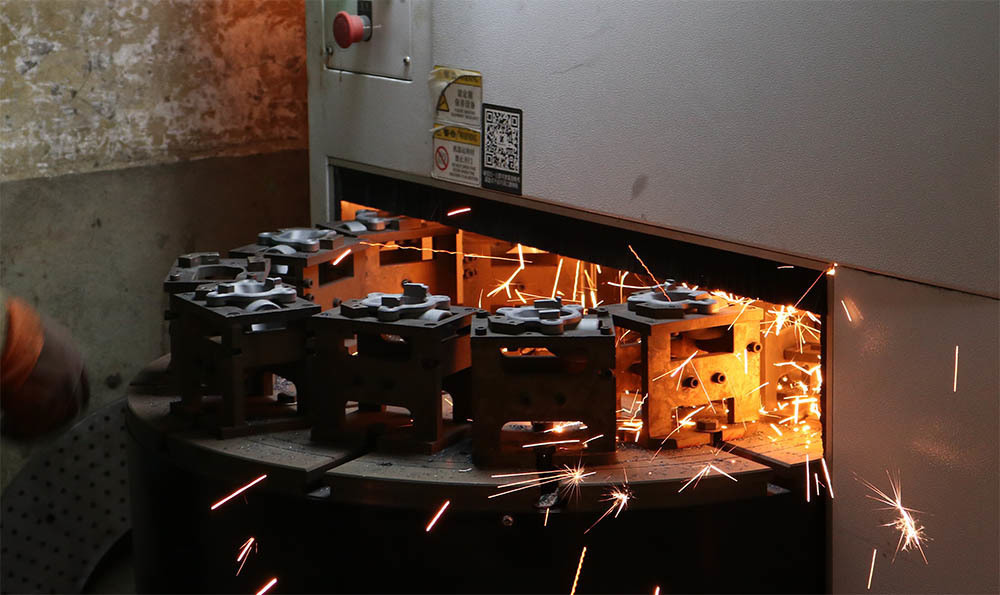
Many parts do not arrive ready to use directly from casting. A capable factory should offer CNC machining, grinding, polishing, shot blasting, passivation, electroplating, powder coating, or assembly support. From a procurement perspective, consolidated secondary operations reduce communication gaps and shorten lead time.
How to Evaluate and Onboard a Chinese Investment Casting Supplier: 5 Steps
A structured evaluation process reduces sourcing risk. Use the following steps when comparing a chinainvestmentcastingfactory with competing foundries.
- Send technical drawings and define critical dimensions, material grade, surface finish, inspection requirements, and annual volume.
- Ask for manufacturability feedback, not just a price. A good supplier will highlight parting lines, feeding risks, wall thickness issues, or machining allowances.
- Request sample lead time, sample price, tooling cost, and whether the tooling is reusable for future revisions.
- Evaluate quality documents before mass production: material certs, first article reports, CMM data, and nonconformance handling process.
- Start with a pilot batch, verify consistency across 3–5 shipments, then scale to repeat orders.
What Documents Should You Request?
Request company profile, equipment list, material supplier information, quality manual, sample inspection report, and references from similar industries. In practice, factories that are hesitant to share inspection data usually have weak process control.
How Should You Compare Quotes?
Do not compare only unit price. Compare tooling cost, sample lead time, casting weight, machining allowance, packaging, payment terms, and defect rate. A slightly lower price may come with higher scrap, rework, or delayed delivery.
2026 Benchmarks: Cost, Tolerance, Lead Time, and MOQ
Benchmarks help buyers set realistic expectations. Actual results vary by part complexity, material, order quantity, surface finishing, and inspection requirements.
| Parameter | Typical Benchmark | Buyer Note |
|---|---|---|
| Dimensional tolerance | CT5–CT7 for standard investment casting | Critical features often require machining. |
| Surface roughness | Ra 3.2–6.3 µm as-cast, better with polishing | Specify roughness on drawings if functional. |
| Sample lead time | 4–8 weeks depending on tooling and complexity | Rapid wax prototypes may shorten early trials. |
| Mass production lead time | 4–6 weeks after sample approval | Add time for heat treatment or plating. |
| MOQ | Often 50–500 pcs, depending on part size | Smaller samples are possible but cost per piece rises. |
“Industry consensus is that near-net-shape investment casting can reduce machining waste by 30–50% compared with machining from solid bar, especially for complex stainless steel parts.”
What Materials Can a Chinese Investment Casting Factory Produce?
Most factories produce stainless steel, carbon steel, and alloy steel. Some specialize in duplex stainless steel, heat-resistant steel, or low-alloy steel. In practice, confirm whether the foundry has its own shell room, dewaxing autoclave, furnace, and heat treatment capability before sending critical orders.
How Long Is the Lead Time?
Tooling and sampling usually take 4–8 weeks. Production orders usually take 4–6 weeks after approval. Actual timing may be longer if the part requires third-party inspection, special surface treatment, or seasonal production pressure.
Common Sourcing Risks and Practical Mitigations
Even a capable chinainvestmentcastingfactory can create problems if requirements are unclear. The most common risks are dimensional deviation, material mismatch, surface porosity, delayed tooling, and hidden secondary-operation costs.
Porosity, Inclusions, and Dimensional Deviation
Porosity often comes from improper shell drying, wax pattern deformation, pouring temperature, or gating design. In practice, buyers should require a first article inspection and a small pilot batch before mass production. If pressure tightness is critical, specify hydrostatic or pneumatic testing.
Communication and Engineering Gap
Many quality issues begin with incomplete drawings. Define casting tolerances, machining allowances, critical inspection dimensions, surface standards, and packaging requirements. A professional supplier should flag ambiguous dimensions before tooling is cut.
Hidden Costs in Tooling and Secondary Operations
Ask whether tooling cost is one-time, whether revisions are charged, and whether inspection reports are included. From case data, hidden costs often appear in plating, heat treatment, expedited freight, or rework for casting defects.
Investment Casting vs. Sand Casting and Die Casting: When to Choose Which
Choosing the right process depends on part size, material, complexity, tolerance, volume, and budget. A chinainvestmentcastingfactory is often the best fit for complex metal parts that require good surface finish and tighter dimensional control.
| Factor | Investment Casting | Sand Casting | Die Casting |
|---|---|---|---|
| Material | Steel, stainless, alloys | Cast iron, steel, aluminum | Mostly aluminum, zinc, magnesium |
| Complexity | High | Moderate | High but tooling expensive |
| Surface finish | Good | Rough | Very good |
| Best volume | Low to medium | Low to medium | High |
| Typical use | Valves, pumps, hardware | Large housings, machine bases | Thin-wall aluminum parts |
When Is Investment Casting the Right Choice?
Choose investment casting when the part is complex, made of steel or stainless steel, requires smooth surfaces, or needs reduced machining. In practice, it is usually not the cheapest option for very large, simple, or very high-volume zinc/aluminum die-cast parts.
When Should You Avoid Investment Casting?
Avoid it if the part is extremely large, tolerance requirements are unrealistically tight, annual volume is very low, or material choice is better suited to sand casting or die casting. A credible supplier should tell you when another process is more economical.
常见问题
Q:What is the typical MOQ for a chinainvestmentcastingfactory?
A:MOQ usually depends on part size and tooling complexity. Many Chinese foundries can start with samples of 10–50 pcs, while mass production orders commonly begin around 100–500 pcs. Smaller orders are possible but cost per piece may be higher.
Q:How do I verify material quality from a Chinese casting factory?
A:Request material certificates, heat number traceability, spectrometer reports, and heat treatment records if required. For critical parts, ask for first article inspection, CMM reports, penetrant testing, or radiographic inspection before shipment.
Q:Can the factory provide CNC machining and surface treatment?
A:Many experienced Chinese investment casting factories offer CNC machining, shot blasting, polishing, passivation, electroplating, powder coating, and heat treatment. Confirm whether these services are in-house or coordinated through approved partners.
Q:How long does sampling usually take?
A:Sampling usually takes 4–8 weeks, depending on tooling design, part complexity, material, and secondary finishing. Rapid wax prototypes may be faster for early geometry checks, but production-like samples require ceramic shell and metal casting.
This article was generated by AI and is for reference only.
2024-01-20

2024-01-20
2188 Jiulong Avenue, Zhenhai, Ningbo, China
86-0574-86530988
sales@tianyecasting.com
