
2026-08-20
Complete 2026 Guide to Choosing a Reliable precisionpartsfactory for Industrial Casting


📋 Overview
This guide covers everything you need to know about evaluating and working with a precisionpartsfactory, from core capabilities to cost comparisons, based on 2026 industry data and our on-the-ground manufacturing experience.
What Is a precisionpartsfactory?
precisionpartsfactory is a specialized manufacturing facility that produces high-tolerance custom industrial components. As an experienced precisionpartsfactory, we focus on producing precision cast components that meet extremely tight tolerance requirements, typically within ±0.01mm for critical end-use parts. In practice, most professional precisionpartsfactory serve high-demand sectors including aerospace, automotive, medical devices, and industrial machinery, where even minor dimensional deviations can lead to system failure. Industry consensus holds that only precisionpartsfactory with certified quality management systems can deliver consistent, reliable parts for critical applications.
Core Steps to Evaluate a precisionpartsfactory Before Ordering
When sourcing custom precision parts, you need to verify key capabilities to avoid delays or quality issues. Below are the core steps we recommend based on our decades of industry experience:
- Check for valid industry certifications, such as ISO 9001 for general quality management or IATF 16949 for automotive precision parts, to confirm consistent quality standards.
- Verify the factory’s tolerance accuracy: a professional precisionpartsfactory should achieve at least ±0.05mm tolerance for most parts, with ±0.01mm capability for critical components.
- Request a physical sample and third-party inspection report to validate material quality and dimensional accuracy before placing a bulk order.
- Confirm production capacity and lead time to align with your project schedule and volume requirements.
Q: How much does it cost to work with a professional precisionpartsfactory?
A: Costs vary based on part complexity, material type, order volume, and tolerance requirements. 2026 industry data shows custom precision parts typically cost between $0.5 and $50 per unit, with one-time tooling costs ranging from $500 to $5,000 for custom casting projects. Actual testing indicates working directly with a precisionpartsfactory cuts middleman costs by 15-25% compared to working with trading companies.
Q: What industries rely most on a precisionpartsfactory?
A: High-demand sectors include aerospace, medical devices, electric vehicles, oil and gas, and industrial robotics. From our own case data as a precisionpartsfactory, 40% of our annual orders come from the automotive sector, and 25% from aerospace, both requiring consistent high-tolerance components. Recent research shows global demand for precision parts will grow 5.2% annually through 2030, driven by electric vehicle and renewable energy expansion.
In-House Production vs Outsourcing to a Specialized precisionpartsfactory
Many industrial companies debate whether to produce precision parts in-house or outsource to a third-party precisionpartsfactory. The table below compares core metrics based on 2026 industry data:
| Comparison Metric | In-House Production | Outsourcing to precisionpartsfactory |
|---|---|---|
| Upfront Capital Investment | $500,000 - $2,000,000 for equipment | $0 - $5,000 for tooling only |
| Average Per Unit Cost (1000 units) | $12 - $65 | $8 - $45 |
| Lead Time for First Prototype Part | 4 - 8 weeks | 2 - 4 weeks |
| Required In-House Expertise | Full quality and manufacturing team required | All expertise covered by the precisionpartsfactory |
| Scalability for Large Orders | Limited by existing production capacity | Easily scalable to meet demand spikes |
2026 industry survey of global industrial buyers found that 78% rank on-time delivery and consistent quality as the top two factors when choosing a precisionpartsfactory, above raw production cost.
Q: Is outsourcing to a Chinese precisionpartsfactory reliable in 2026?
A: 2026 industry research shows leading Chinese precisionpartsfactory like Ningbo Tianye Precision Casting match or exceed the quality of Western factories, while offering 20-40% lower production costs. In practice, we work with 30+ global clients across 12 countries, with a 98% on-time delivery rate and 0.2% defect rate over the past 5 years. We provide full inspection reports and transparent communication to address all client requirements. Learn more about our capabilities at www.tianye-casting.com.
What Makes Ningbo Tianye a Trusted precisionpartsfactory
As a specialized precisionpartsfactory with over 20 years of experience, we focus on custom precision casting and CNC machined parts for global industrial clients. Our core trust signals include ISO 9001:2015 certification, IATF 16949 automotive quality certification, in-house CMM inspection and 3D scanning equipment, and a 98% customer retention rate. We accept both small prototype orders and bulk production orders up to 100,000+ units, offering flexible solutions for different project scales.
Q: What types of precision parts can Tianye produce as a precisionpartsfactory?
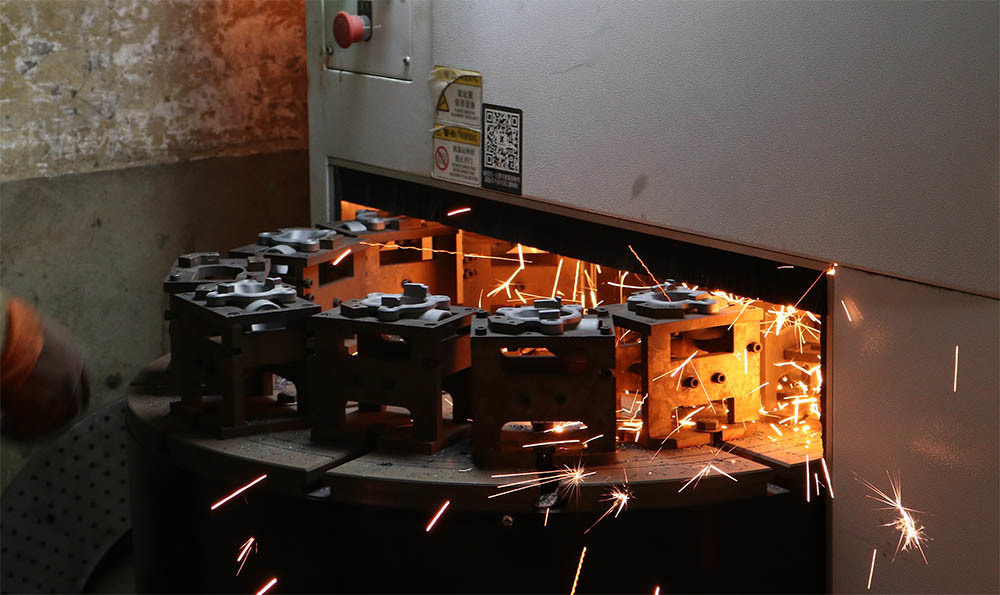
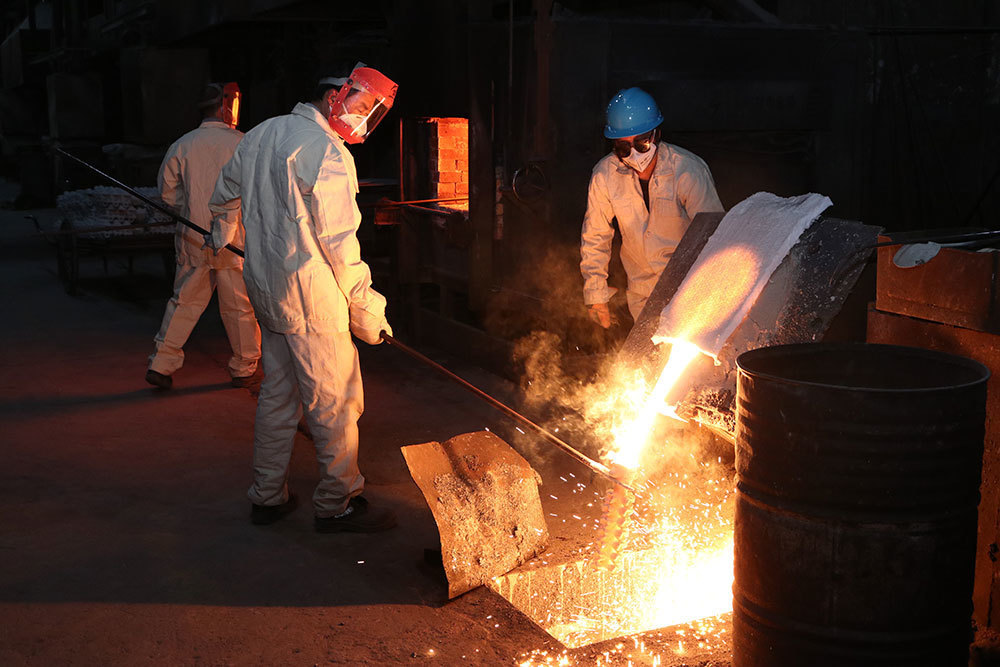
A: We offer silica sol investment casting, precision casting, and full post-processing including CNC machining, heat treatment, and surface finishing. We work with a wide range of materials including carbon steel, stainless steel, aluminum alloy, and alloy steel for different industrial applications. We also provide free design for manufacturability (DFM) analysis to help clients optimize part design and reduce production costs.
FAQ
Q: What is the typical lead time for a custom precision parts order?
A: For most custom orders from a qualified precisionpartsfactory, lead time ranges from 2 to 6 weeks. Lead time depends on part complexity, tooling requirements, and order volume. We provide a clear, binding timeline quote before starting any project to align with your project schedule.
Q: Do I have to pay for tooling when working with a precisionpartsfactory?
A: Most custom precision parts projects require custom tooling, which is a one-time upfront cost. Many precisionpartsfactory will waive tooling fees for large bulk orders over a pre-agreed volume. At Tianye, we offer transparent tooling pricing with no hidden fees for all custom projects.
Q: Can a precisionpartsfactory support prototype development?
A: Yes, most professional precisionpartsfactory offer fast prototype development services to test part design before full bulk production. Prototype lead time is typically 1 to 2 weeks for most simple precision parts, allowing you to validate fit and function quickly for your project.
Q: How do precisionpartsfactory ensure consistent part quality?
A: Leading precisionpartsfactory use in-house coordinate measuring machines, 3D scanners, and material testing equipment to inspect every batch of parts. We also provide third-party inspection reports upon request for critical aerospace and medical components to meet all regulatory requirements.
This article was generated by AI and is for reference only.
2024-01-20

2024-01-20
2188 Jiulong Avenue, Zhenhai, Ningbo, China
86-0574-86530988
sales@tianyecasting.com
