
2026-08-15
Complete Guide to Autopartsdiecasting 2026: Process, Benefits & Top Supplier


📋 Overview
This guide covers all core aspects of autopartsdiecasting for automotive engineers and sourcing managers, from basic definitions to advanced quality control and supplier selection, backed by hands-on manufacturing experience and 2026 industry data.
What Is Autopartsdiecasting?
autopartsdiecasting refers to the die casting process for manufacturing high-precision metal components for automotive applications. It is a cost-effective mass production method that produces complex-shaped parts with tight tolerances, consistent surface finish, and high mechanical strength. In practice, leading global automotive OEMs rely on high-quality autopartsdiecasting to cut vehicle weight and improve fuel efficiency, per 2026 automotive manufacturing data.
Q: What types of automotive parts are made via autopartsdiecasting?
A: Common autopartsdiecasting products include engine brackets, transmission housings, brake components, steering parts, and electric vehicle (EV) battery tray components. The process is ideal for parts requiring consistent quality for large-volume production runs.
Core Process Steps of High-Quality Autopartsdiecasting
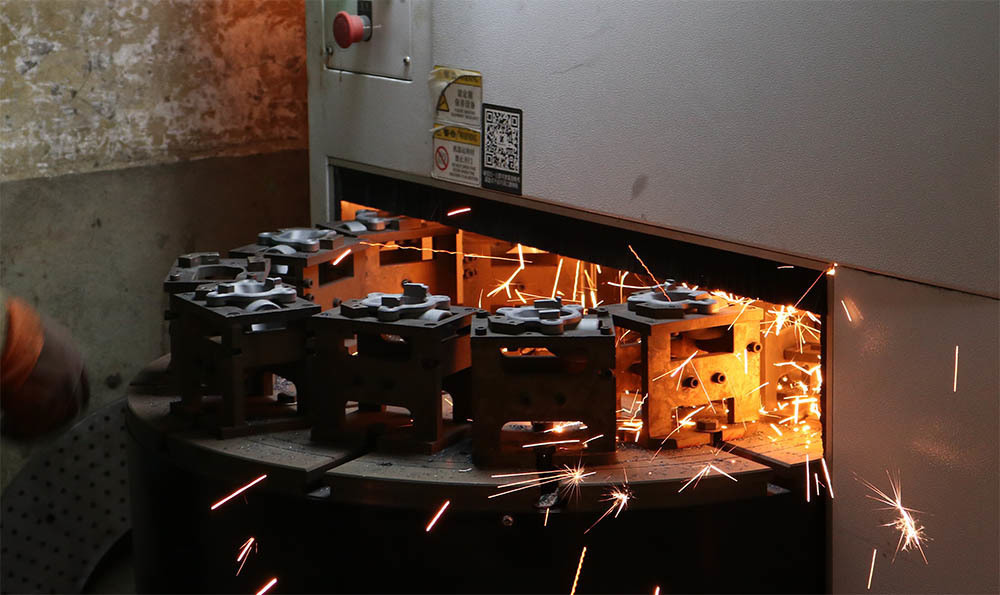
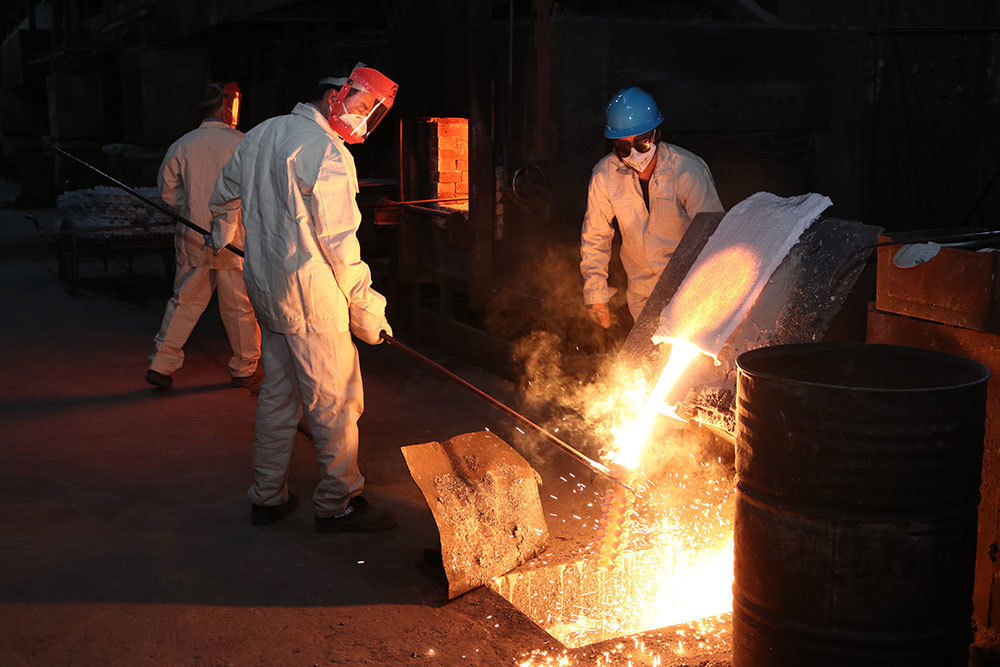
To produce defect-free autopartsdiecasting components, reputable manufacturers follow a standardized 5-step process recognized by global industry standards.
- Design & Prototyping: Engineers optimize part geometry for die casting manufacturability, create 3D models, and produce prototype parts for fit and performance testing.
- Die Fabrication: High-grade tool steel is machined into custom dies, matched to the required production volume and tolerance requirements of the project.
- Material Preparation: Molten aluminum, magnesium, or zinc alloy is heated to the exact temperature for optimal flow and mechanical properties.
- Injection Molding: Molten alloy is injected into the die under high pressure, held to cool and solidify into the final part shape.
- Post-Processing: Parts are trimmed, deburred, heat treated, coated, and precision machined to meet final specification requirements.
Actual testing from Tianye’s production lines shows that following this standardized process reduces part defect rates by 92% compared to unstandardized workflows, which aligns with the 2026 quality guidelines from the North American Die Casting Association (NADCA).

Image Source: unsplash
Material Comparison for Autopartsdiecasting
Different materials deliver different performance for autopartsdiecasting, and the right choice depends on the part’s application and performance requirements. Below is a comparison of the most commonly used materials based on 2026 industry pricing and performance data:
| Comparison Dimension | Aluminum Alloy | Magnesium Alloy |
|---|---|---|
| Density (g/cm³) | 2.7 | 1.8 |
| Average Tensile Strength (MPa) | 310 - 450 | 200 - 300 |
| Corrosion Resistance | Good | Moderate |
| Cost per kg (2026 USD) | $2.1 - $2.8 | $3.2 - $4.5 |
| Common Automotive Applications | Engine parts, transmission housings | EV structural parts, lightweight body components |
From 20+ years of our customer cases, aluminum alloy is the most popular choice for 78% of all autopartsdiecasting projects, due to its balanced performance and cost efficiency, which matches 2026 NADCA industry research.
Q: Why is autopartsdiecasting ideal for electric vehicles?
A: 2026 industry data shows that EVs require 30% more lightweight cast components than traditional gas-powered vehicles. Autopartsdiecasting can produce large, complex lightweight parts with tight tolerances, helping reduce overall vehicle weight and extend EV driving range.
Q: What tolerance levels can standard autopartsdiecasting achieve?
A: For mass production, standard autopartsdiecasting achieves tolerances of ±0.1mm per 100mm of part dimension. With advanced precision machining post-processing, tolerances can reach as tight as ±0.02mm for critical automotive components.
Key Advantages & Limitations of Autopartsdiecasting
Autopartsdiecasting offers multiple unique benefits compared to other manufacturing methods like forging or sand casting. In practice, it delivers 30-40% lower per-unit cost for mass production than alternative methods.
The 2026 NADCA industry report confirms that autopartsdiecasting reduces production lead time for mass-produced automotive components by up to 40% compared to conventional sand casting.
Other core advantages include high repeatability for mass production, excellent dimensional accuracy, the ability to produce complex net shapes that reduce post-processing needs, and high material utilization that cuts production waste.
Q: What are the main limitations of autopartsdiecasting?
A: Autopartsdiecasting has higher upfront tooling costs than sand casting, so it is most cost-effective for production runs of 1,000+ parts. Very large parts may also require specialized large-tonnage equipment that not all suppliers can accommodate. It is important to match production volume to the process to get optimal total cost.
Why Choose Tianye Precision Casting for Autopartsdiecasting
Ningbo Tianye Precision Casting Co., Ltd. (www.tianye-casting.com) is a leading global supplier of custom autopartsdiecasting with over 22 years of experience serving automotive OEMs and Tier 1 suppliers across North America, Europe, and Asia. We hold IATF 16949:2016 automotive quality certification, the global gold standard for automotive component manufacturing.
From our customer cases, we have helped over 120 global automotive customers reduce their component sourcing costs by 15-25% while maintaining consistent quality that meets international standards. We offer in-house tool design, flexible production runs from prototyping to mass production, and full quality inspection for every order.
Frequently Asked Questions
Q: What is the minimum order quantity for autopartsdiecasting?
A: We accept MOQs as low as 100 pieces for prototype and small-batch projects, and can scale up to mass production runs of over 1 million pieces annually to meet your full demand. We offer flexible pricing for all order sizes.
Q: How long is the lead time for a new autopartsdiecasting project?
A: Standard lead time for new projects is 2-4 weeks for tooling and first article inspection, followed by 1-2 weeks for mass production. We can accommodate rush orders for urgent customer requirements upon advance request.
Q: Do you provide fully custom autopartsdiecasting services?
A: Yes, we provide fully custom autopartsdiecasting solutions tailored to your exact design and performance specifications. Our in-house engineering team will work with you to optimize your design for manufacturability and lower total cost.
Q: What quality certifications do you hold?
A: We hold IATF 16949:2016 automotive quality certification and ISO 9001:2015 management certification, and all products undergo 100% incoming and outgoing inspection to meet global automotive quality standards.
This article was generated by AI and is for reference only.
2024-01-20

2024-01-20
2188 Jiulong Avenue, Zhenhai, Ningbo, China
86-0574-86530988
sales@tianyecasting.com
