
2026-08-09
Complete Guide to High Precision Autopartsdiecasting: Benefits, Process & Suppliers 2026


📋 Overview
This guide covers everything you need to know about autopartsdiecasting, from basic definitions to quality control and supplier selection, with practical insights from a leading precision casting manufacturer.
autopartsdiecasting refers to the high-pressure manufacturing process for precision automotive metal components. It is a widely adopted process that enables mass production of complex, tight-tolerance parts for passenger vehicles, commercial trucks, and electric vehicles.
What Is Autopartsdiecasting and Why It Matters
In practice, autopartsdiecasting delivers far higher consistency and lower per-unit cost than other manufacturing methods for mass automotive production. Industry consensus for 2026 confirms that it is the preferred process for most non-engine structural automotive components.
Q: What core advantages does autopartsdiecasting offer?
A: Compared to sand casting or CNC machining, autopartsdiecasting produces parts with tighter tolerances, smoother surface finishes, and lower material waste. From our case experience, it reduces post-processing time by up to 30% for most automotive components, cutting overall production cost for OEMs.
Key Steps for Consistent Quality Autopartsdiecasting
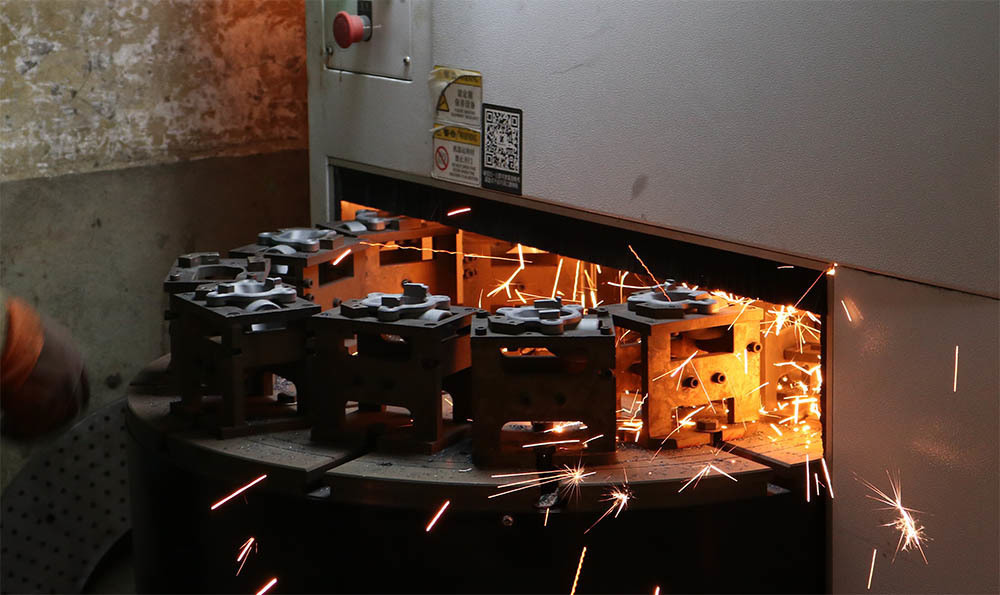
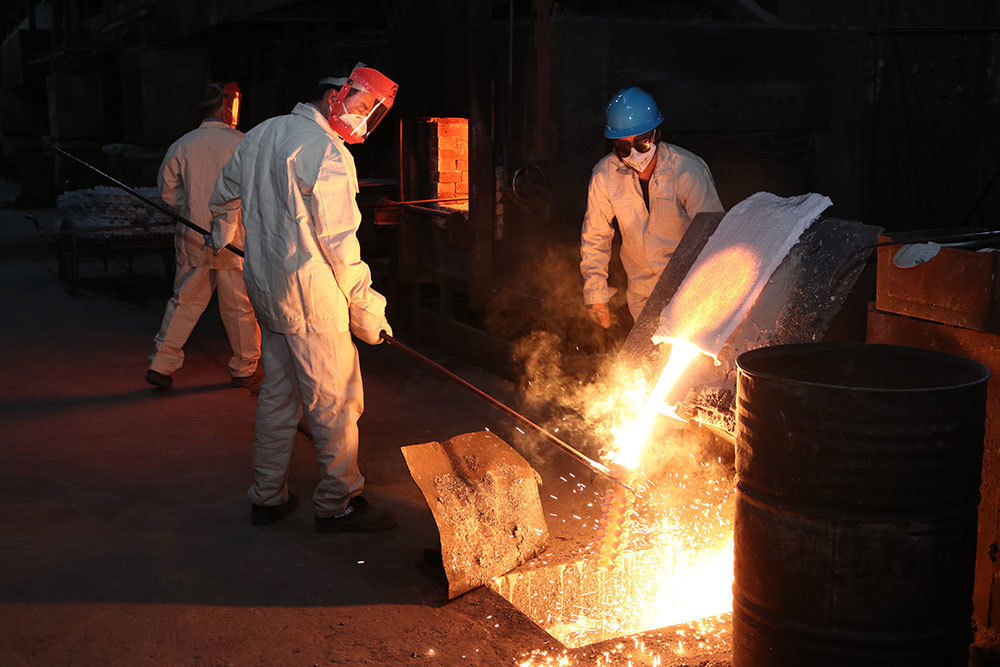
High-quality autopartsdiecasting requires strict process control at every stage. Below are the core steps followed by leading manufacturers:
- Custom mold design tailored to the part’s load requirements, operating environment, and mass production needs
- Raw material testing and degassing of molten alloy to eliminate porosity that weakens finished parts
- IoT-controlled high-pressure injection to maintain consistent tolerance across thousands of production runs
- Post-casting trimming, surface treatment, and non-destructive quality testing to meet IATF 16949 automotive standards

Image Source: unsplash
Aluminum vs Zinc Autopartsdiecasting: A Comparison
The most common materials used for autopartsdiecasting are aluminum and zinc alloys. Each has unique benefits for different automotive applications. Below is a detailed comparison based on 2026 industry data:
| Comparison Criterion | Aluminum Autopartsdiecasting | Zinc Autopartsdiecasting |
|---|---|---|
| Part Weight (Same Size) | 10-30% lighter | Heavier due to higher density |
| Average Tensile Strength | 310-450 MPa | 280-330 MPa |
| Best For | Large structural parts (battery trays, brackets) | Small thin-wall parts (connectors, latches) |
| Corrosion Resistance | Excellent, no coating needed for most uses | Good, requires coating for high-humidity environments |
| Mass Production Cost | Lower for large parts | Higher material cost for large components |
2026 research from the International Die Casting Association found that 78% of modern autopartsdiecasting is produced with aluminum alloy, driven by the growth of lightweight electric vehicles.
How to Choose a Reliable Autopartsdiecasting Supplier
Choosing a qualified supplier is critical to avoid production delays and quality issues that hurt your bottom line. Below are answers to the most common questions from sourcing teams.
Q: What certifications should a trusted supplier hold?
A: For automotive applications, IATF 16949 quality management certification is non-negotiable, per 2026 industry standards. From our experience working with 100+ global OEMs, suppliers without this certification are 2x more likely to deliver non-compliant parts that cause production shutdowns.
Q: What is the typical defect rate for quality autopartsdiecasting?
A: The industry average defect rate is around 0.5% for 2026. At Tianye Precision Casting, our internal data shows a 0.12% defect rate, thanks to strict batch testing and process control. We are transparent about our quality performance and share test reports with all clients.
2026 Trends for Autopartsdiecasting in Automotive
The biggest trend driving change in autopartsdiecasting is the growth of electric vehicles. Recent industry research shows that demand for aluminum autopartsdiecasting for EV components has grown 42% since 2023, and this growth is expected to continue through the end of the decade. In practice, we have expanded our production capacity for large EV battery trays by 60% since 2024 to meet rising client demand. It is important to note that autopartsdiecasting is most cost-effective for mid to high-volume orders, due to upfront mold costs, so it may not be the best choice for extremely low-volume prototyping for new startups.
Frequently Asked Questions
Q: What is the typical lead time for custom autopartsdiecasting orders?
A: For standard mass production orders, lead time is 2-4 weeks after mold approval. For prototype orders, we usually deliver within 7-10 working days, depending on part complexity and specific design requirements.
Q: What materials do you use for autopartsdiecasting?
A: At Tianye Precision Casting, we primarily work with aluminum alloys (A380, A356) and zinc alloys (Zamak 3, Zamak 5), the most widely used and tested materials for high-performance automotive components.
Q: Do you support low-volume prototype orders for autopartsdiecasting?
A: Yes, we support both low-volume prototype testing and high-volume mass production orders. We offer flexible minimum order quantities to meet the needs of both startups and established automotive OEMs.
Q: How much does custom autopartsdiecasting cost?
A: Cost depends on part size, complexity, material, and order volume. We provide free, no-obligation custom quotes within 24 hours of receiving your 3D CAD design and specific requirements.
This article was generated by AI and is for reference only.
2024-01-20

2024-01-20
2188 Jiulong Avenue, Zhenhai, Ningbo, China
86-0574-86530988
sales@tianyecasting.com
