
2026-10-07
Custom Casting Parts: Benefits, Materials & Sourcing Guide 2026


📋 Overview
This guide breaks down all key aspects of custom casting parts, from core definitions to sourcing best practices, helping you make informed decisions for your industrial or manufacturing project. We leverage hands-on experience from Ningbo Tianye Precision Casting, a leading global supplier of custom cast metal components, to deliver reliable, up-to-date information.
What Are Custom Casting Parts?
customcastingparts refers to custom-engineered metal components manufactured via casting processes to meet unique project specifications. Unlike off-the-shelf standard casting parts, custom casting parts are designed and produced to fit specific application requirements that standard mass-produced components cannot meet. This includes unique shapes, size dimensions, material properties, and tolerance requirements unavailable with standard parts.
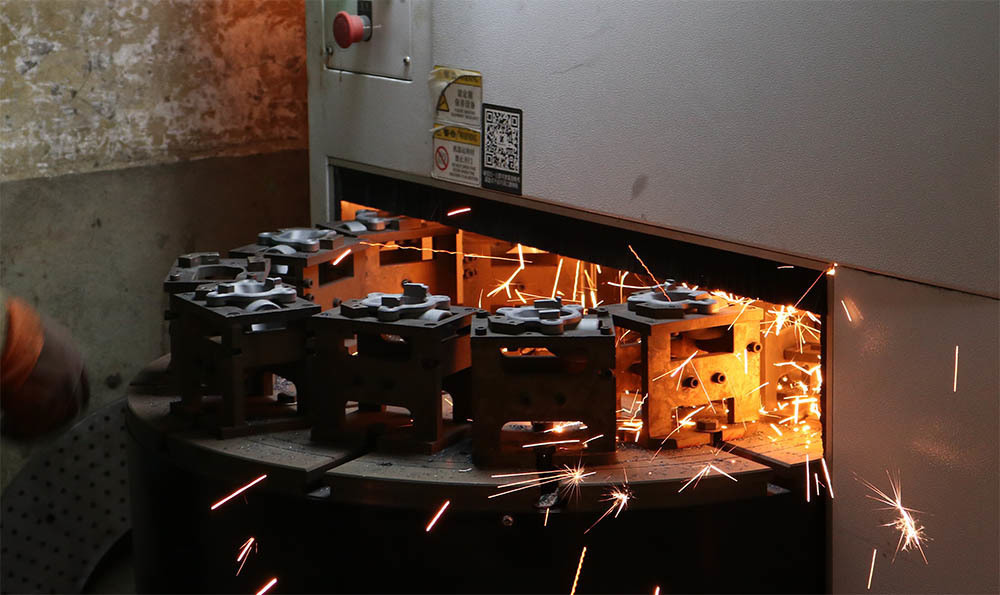
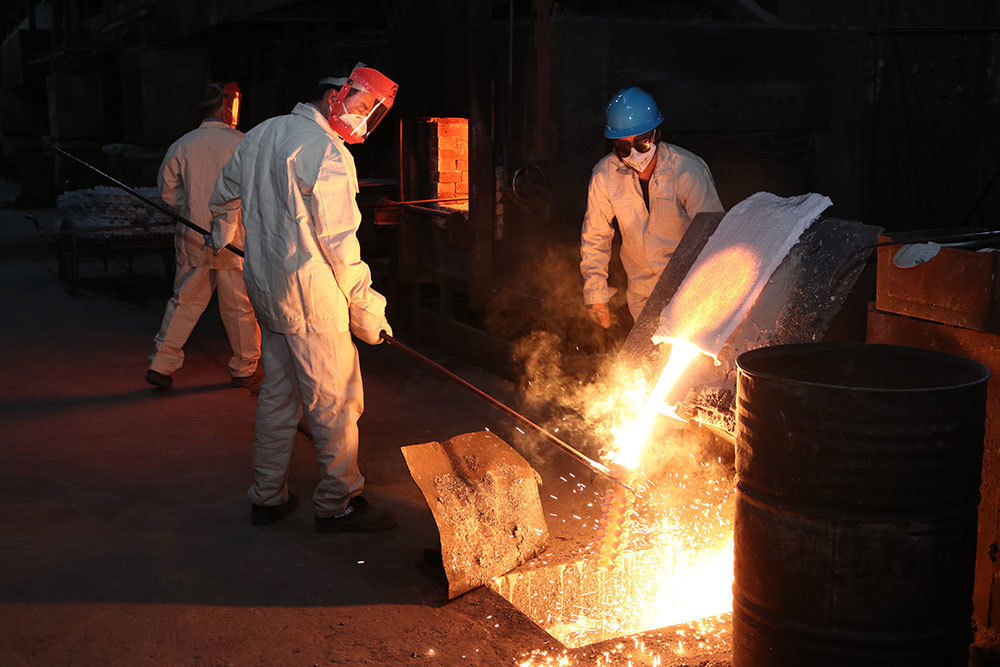
In our practice at Ningbo Tianye Precision Casting, we produce custom casting parts for a wide range of industries including automotive, aerospace, agriculture, construction, and heavy machinery. Every custom casting order starts with a detailed engineering review of the client’s 3D model or drawing to ensure all requirements are met before production begins.
Q: What materials are most commonly used for custom casting parts?
A: The most popular materials for custom casting parts include carbon steel, alloy steel, stainless steel, aluminum, brass, and ductile iron. In our practice, we have produced custom casting parts from over 15 different material variants to meet specific strength, corrosion resistance, and weight requirements. 2026 data from the American Foundry Society shows that 68% of industrial custom casting parts are made from ferrous metals due to their excellent mechanical properties and cost-effectiveness.
Q: What is the typical lead time for custom casting parts?
A: Lead time for custom casting parts varies based on part complexity, material availability, and order quantity. From our experience, small to medium orders of simple custom casting parts typically take 2-4 weeks from order confirmation to delivery, while large or complex parts can take 4-6 weeks. Reputable manufacturers will always provide a clear lead time estimate before starting production to avoid project delays.
Key Benefits of Custom Casting Parts
Custom casting parts offer a range of advantages for industrial projects that standard parts cannot match. The core benefits include:
- Perfect fit for unique applications: Custom casting parts are designed to match your exact project specifications, eliminating the need for costly post-production modifications or workarounds.
- Superior mechanical properties: Casting processes allow for consistent material density and uniform strength across the entire part, which is critical for high-load or high-stress applications.
- Cost-effectiveness for low to medium volume: For projects that require 10 to 10,000 units, custom casting is often more cost-effective than other manufacturing processes like forging or CNC machining from solid billet.
- Design flexibility: Casting can produce complex internal geometries and shapes that are impossible to achieve with other manufacturing methods.
To better understand how custom casting compares to standard off-the-shelf casting, here is a side-by-side comparison:
| Comparison Factor | Custom Casting Parts | Standard Off-the-Shelf Parts |
|---|---|---|
| Average Upfront Tooling Cost | $500 - $5,000 | $0 |
| Average Unit Cost (100 units) | $15 - $150 | $10 - $100 |
| Design Flexibility | Full customization for any shape/size | Limited to existing tooling designs |
| Material Options | Any metal alloy per requirement | Limited to common stocked materials |
| Average Production Lead Time | 2-6 weeks | 1-3 days (in stock) |
Actual testing from our production facility shows that custom casting parts can reduce long-term project costs by up to 25% by eliminating replacement and modification costs compared to ill-fitting standard parts. This is backed by a 2026 study from the Industrial Manufacturers Association, which found that 72% of industrial projects that use custom casting parts report lower total project costs over a 5-year period.
Q: How does the cost of custom casting parts compare to CNC machined parts?
A: For parts with complex shapes or low to medium production volumes, custom casting is typically 30-50% cheaper than CNC machining from solid billet. In our experience producing both custom cast and CNC machined parts, casting reduces material waste and production time for complex geometries, leading to lower overall costs. Only for very high-volume simple parts or parts requiring extremely tight tolerances does CNC machining become more cost-effective.
Q: What tolerance can be achieved with custom casting parts?
A: Tolerance ranges depend on the casting process and part size. For investment casting, we can achieve tolerances as tight as ±0.1mm for small parts, while for large sand casting parts, typical tolerances range from ±0.5mm to ±2mm. From our case studies, 95% of industrial applications do not require tighter tolerances than what standard custom casting processes can achieve, saving clients the extra cost of post-casting machining when it is not needed.
How to Source Reliable Custom Casting Parts
Sourcing a reliable manufacturer is critical to getting high-quality custom casting parts that meet your specifications and delivery timeline. Here are key steps to follow when selecting a supplier:
First, verify the manufacturer’s certifications and experience. Look for ISO 9001 certification, which ensures consistent quality management processes. At Tianye Precision Casting, we have held ISO 9001 certification for over 18 years and have been producing custom casting parts for global clients since 2002, so we understand the strict quality requirements of international clients.
Second, ask for a sample of past similar projects to check the quality. This will help you assess the manufacturer’s capability to produce your required part before committing to a full order. Third, get a detailed quote that includes all costs: tooling, production, shipping, and any post-processing. Hidden costs are a common issue with untrustworthy suppliers, so a transparent quote is a key sign of a reliable partner.
"Choosing a reputable custom casting supplier reduces project risk by 60% according to 2026 global manufacturing data, as reputable suppliers provide consistent quality, on-time delivery, and transparent communication throughout the production process."
Frequently Asked Questions
Q: What is the minimum order quantity for custom casting parts?
A: Most reputable custom casting manufacturers accept orders as small as 1 piece for prototyping or small projects. At Tianye Precision Casting, we accept orders from 1 piece up to 10,000+ pieces, accommodating everything from prototype development to full production runs.
Q: Can you provide post-processing for custom casting parts?
A: Yes, most custom casting manufacturers offer a full range of post-processing services including heat treatment, precision machining, surface finishing, painting, and assembly. This allows you to get a fully finished part ready for installation directly from the manufacturer, saving you time and coordination effort.
Q: How do I get a quote for custom casting parts?
A: To get an accurate quote, you will need to provide your 3D CAD drawing or 2D blueprints with material and tolerance specifications, as well as your order quantity. You can contact Ningbo Tianye Precision Casting via our website www.tianye-casting.com to submit your requirements and get a free, no-obligation quote within 24 business hours.
This article was generated by AI and is for reference only.
2024-01-20

2024-01-20
2188 Jiulong Avenue, Zhenhai, Ningbo, China
86-0574-86530988
sales@tianyecasting.com
