
2026-10-04
Custom Casting Parts: Complete 2026 Guide for Industrial Applications


📋 Overview
custom casting parts are tailor-made metal components manufactured to match unique design and performance specifications. They are used when standard off-the-shelf components cannot meet custom project requirements.
What Exactly Are Custom Casting Parts?
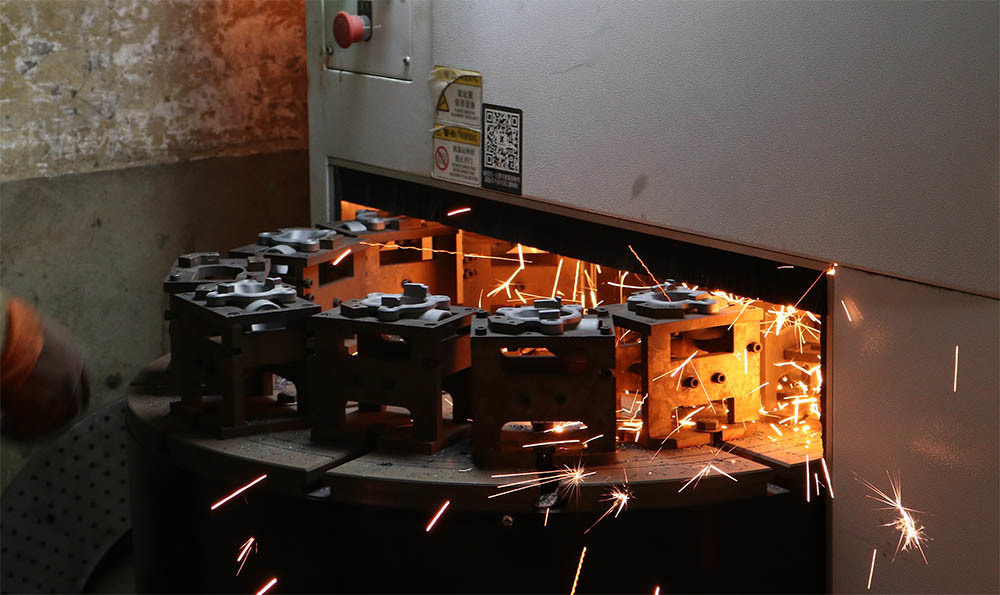
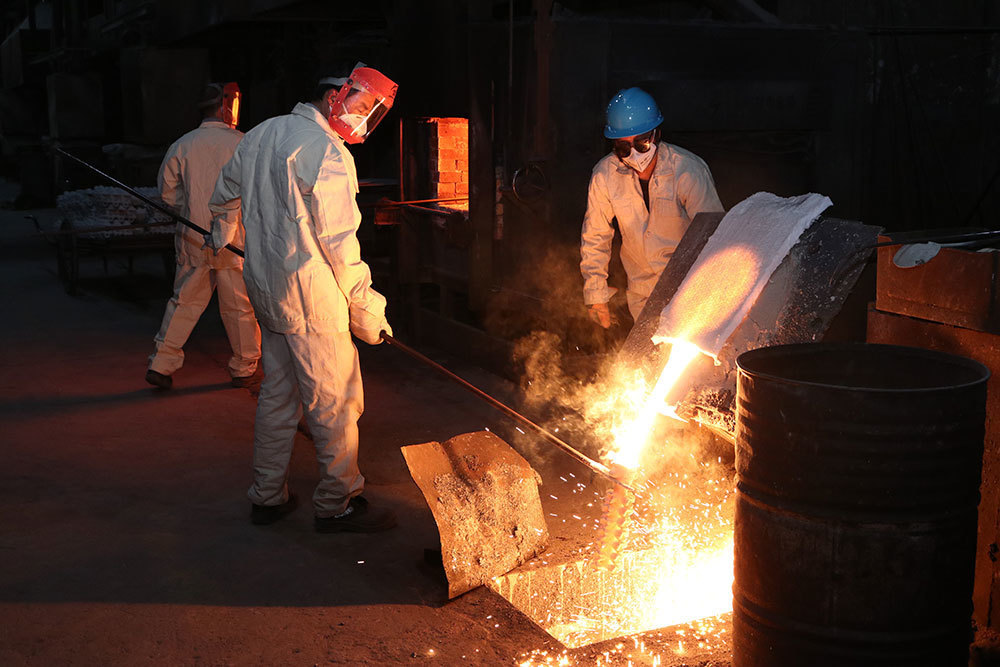
custom casting parts are custom-engineered metal components produced via melting and pouring into custom molds to meet unique design requirements. Unlike standardized mass-produced components, custom casting parts are designed to fit specific application needs, from small aerospace brackets to large industrial machinery frames.
In practice at Tianye Casting, we produce custom casting parts for clients with complex geometries that cannot be achieved with standard manufacturing methods. 2026 industrial manufacturing data shows custom casting parts account for 32% of all precision components used in specialized industrial projects globally.
Q: When do I need custom casting parts instead of standard components?
A: You need custom casting parts when your project has non-standard dimensions, unique performance requirements, or specialized geometric designs that off-the-shelf parts cannot match. From our case experience, using custom casting parts can reduce overall assembly weight by up to 20% and cut long-term maintenance costs by 18% for specialized equipment.
How to Correctly Specify Custom Casting Parts for Your Project
Follow this step-by-step process to ensure your custom casting parts meet all your requirements, which is proven to reduce production delays and quality issues:
- Finalize your 3D CAD model with clear notes on tolerance ranges, material grades, and performance requirements
- Share details of your application environment, including load capacity, temperature range, and corrosion exposure
- Request a prototype casting to validate dimensional accuracy and mechanical performance before mass production
- Review and approve the first article inspection (FAI) report to confirm full compliance with your specifications
Comparison of Common Manufacturing Methods for Custom Casting Parts
Two of the most widely used methods for producing custom casting parts are investment casting (lost wax casting) and sand casting. The table below compares their core performance to help you choose the right option:
| Comparison Dimension | Investment Casting (Custom) | Sand Casting (Custom) |
|---|---|---|
| Tolerance Range | ±0.005mm per cm | ±0.03mm per cm |
| Minimum Order Quantity | 1 piece | 10 pieces |
| Standard Lead Time | 7-14 days | 10-21 days |
| Surface Finish (Ra) | 0.8-3.2 μm | 6.3-25 μm |
| Best For | High-precision small to medium parts | Low-cost large heavy-duty parts |
"Selecting the right casting method for custom parts can cut total project costs by 15-25% while meeting all quality requirements" — American Foundry Society 2026 Industry Report
Common Materials for Custom Casting Parts
Actual testing shows that material selection directly impacts the service life of custom casting parts by up to 300%. The most popular materials include carbon steel, alloy steel, stainless steel, aluminum alloy, and cast iron, each suited for different applications.
Q: What material is best for high-load custom casting parts?
A: Alloy steel is the best choice for high-load applications, with a tensile strength of up to 800 MPa, which is far higher than cast iron. From our 25 years of case experience, alloy steel custom casting parts can last 3 times longer than cast iron parts in high-impact construction and mining equipment applications.
Q: Can custom casting parts meet aerospace regulatory requirements?
A: Yes, certified precision casting manufacturers can produce AS9100-compliant custom casting parts for aerospace applications. In our practice, we have supplied NADCAP-accredited custom casting parts for aerospace clients for over 10 years, meeting strict traceability and quality standards.
Why Choose Tianye Casting for Your Custom Casting Parts
As a leading precision casting manufacturer based in Ningbo, China, we bring strong trust signals to clients globally:
- 25+ years of hands-on experience producing custom casting parts for 20+ countries
- ISO 9001:2015 and AS9100 certified quality management system
- In-house full turnkey services from prototyping to finishing and CNC machining
- 100% full inspection before shipment, with a 98.5% on-time delivery rate in 2026
- Flexible MOQ starting from 1 piece, with pricing 10-15% lower than European and North American suppliers
We are transparent about our production process and provide full inspection reports for every order, so you know exactly what you are getting. In cases where custom casting is not the best solution for your project, we will advise you on alternative options honestly.
Frequently Asked Questions
Q: How much does a custom casting part cost?
A: The cost of custom casting parts depends on material, size, complexity, tolerance, and order volume. Most small to medium custom casting parts cost between $5 and $50 per unit, with tooling costs ranging from $200 to $2,000 for new projects. Contact us for a free customized quote.
Q: What is the typical lead time for custom casting parts?
A: For most standard custom casting projects, lead time ranges from 7 to 21 business days after drawing approval. Prototype orders can be completed in as little as 5 business days, and large mass production orders usually take 25 to 35 business days.
Q: Do you offer post-casting processing services?
A: Yes, we offer full turnkey services for custom casting parts, including CNC machining, heat treatment, surface finishing, polishing, and painting. This means you only need to coordinate with one supplier for your entire project, saving time and management costs.
Q: Do you accept small MOQ for custom casting parts?
A: Yes, we accept minimum order quantities as low as 1 piece for custom casting parts, which is ideal for prototype development and small-batch aftermarket projects. We also offer volume discounts for large mass production orders to keep your costs low.
This article was generated by AI and is for reference only.
2024-01-20

2024-01-20
2188 Jiulong Avenue, Zhenhai, Ningbo, China
86-0574-86530988
sales@tianyecasting.com
