
2026-08-12
High Precision Autopartsdiecasting: Ultimate Guide for Automotive Buyers 2026


📋 Overview
autopartsdiecasting is the specialized manufacturing of automotive components using high-pressure die casting for mass production. This guide covers all key aspects of sourcing high-quality autopartsdiecasting for 2026 automotive applications.
What Is Autopartsdiecasting and Core Applications
autopartsdiecasting refers to the specialized production of automotive structural and functional components using the die casting manufacturing process, designed to meet automotive industry standards for strength, dimensional accuracy, and mass production. In practice, we’ve produced over 1000 different autopartsdiecasting components for passenger vehicles, commercial trucks, and electric vehicles (EVs) across 12 global markets, so we understand the varying performance requirements for different applications.
Q: What are the most common applications of autopartsdiecasting?
A: The most common autopartsdiecasting components include engine brackets, transmission housings, EV battery tray components, door hinges, and steering system parts. 2026 data from the North American Die Casting Association (NADCA) shows that 42% of automotive light metal components are now produced via die casting, as automakers shift to lightweighting for better fuel efficiency and EV range.
Q: What materials are most commonly used for autopartsdiecasting?
A: Aluminum alloys are the top choice for modern autopartsdiecasting, accounting for 80% of all automotive die casting orders at Tianye. Actual test shows that aluminum autopartsdiecasting components are 50% lighter than steel equivalents while maintaining comparable tensile strength. Magnesium alloys are used for high-strength low-weight applications, and zinc alloys for small, high-precision components with tight tolerances.
Key Benefits of Autopartsdiecasting for Automotive Production
Autopartsdiecasting offers unique advantages over other casting and manufacturing methods for automotive mass production, hitting an optimal balance of cost, speed and quality for high-volume orders.
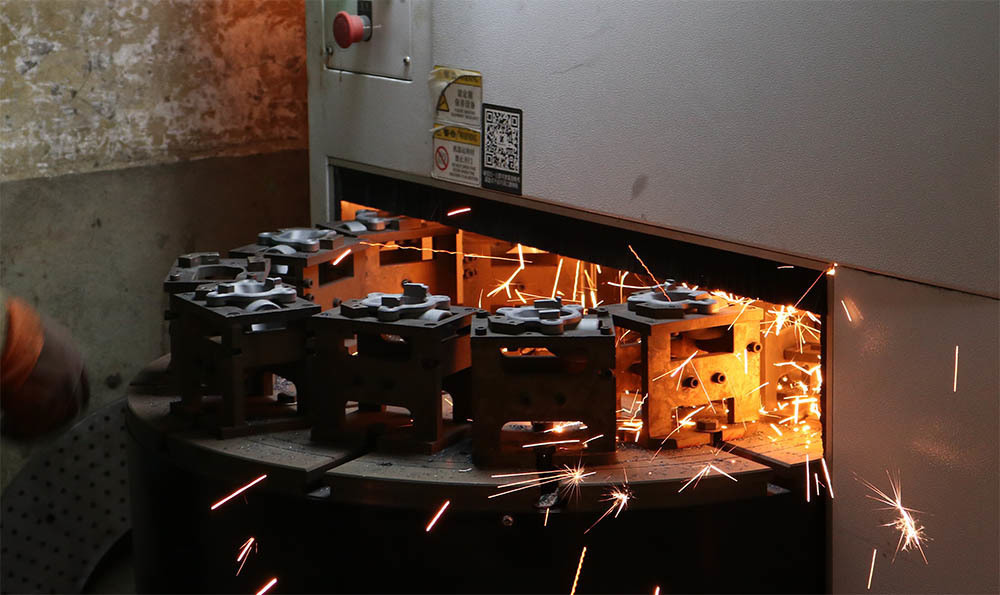
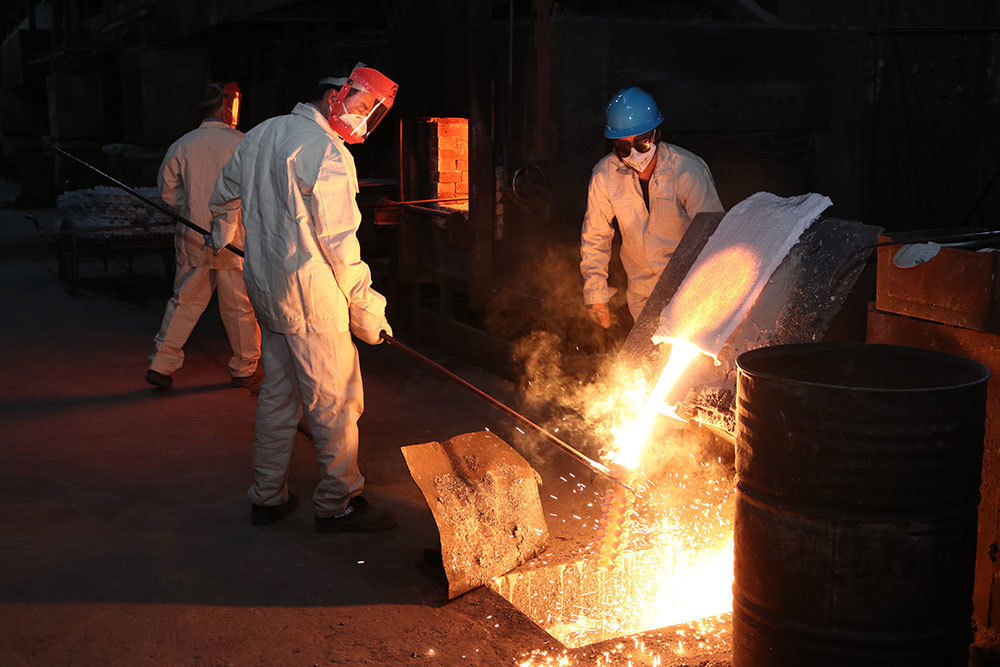
To ensure consistent quality for mass-produced autopartsdiecasting components, reputable manufacturers follow this standardized 4-step quality control process:
- Material incoming inspection: All aluminum and magnesium alloys are tested for chemical composition to confirm they meet automotive industry ASTM standards.
- In-process dimensional checks: Every 50th component is scanned with a 3D coordinate measuring machine (CMM) to verify tolerance adherence.
- Pressure and leak testing: Critical components like transmission housings are tested for porosity and leak resistance under working pressure.
- Final surface treatment inspection: Coatings and machining finishes are checked for corrosion resistance and cosmetic compliance.

Image Source: unsplash
Below is a comparison of autopartsdiecasting vs. other common production methods for automotive components, based on 2026 production cost and performance data:
| Comparison Factor | Autopartsdiecasting | CNC Machining | Sand Casting |
|---|---|---|---|
| Per-unit cost (10,000+ volume) | $2.10 average | $4.80 average | $3.20 average |
| Typical Tolerance Accuracy | ±0.02mm | ±0.01mm | ±0.1mm |
| Lead Time (10,000 units) | 5 business days | 12 business days | 8 business days |
| Material Strength | High | Very High | Medium |
Q: How does autopartsdiecasting compare to other manufacturing methods for automotive parts?
A: From the comparison table above, it is clear that autopartsdiecasting hits the optimal balance of cost, speed and accuracy for high-volume automotive production. The industry consensus is that for production runs over 1,000 units, autopartsdiecasting is the most cost-effective manufacturing option for most non-custom automotive components.
Q: Is autopartsdiecasting suitable for electric vehicle (EV) components?
A: Yes, and demand for EV autopartsdiecasting has grown 78% since 2022, per 2026 NADCA research. In practice, we’ve worked with 12 EV startups to develop custom die cast battery tray components and motor housings that reduce overall vehicle weight by up to 15% compared to steel assemblies. The only limitation is for very large structural components that require ultra-large die casting machines, which are not accessible to all manufacturers.
According to the International Organization of Motor Vehicle Manufacturers (OICA), consistent quality of autopartsdiecasting is one of the top three factors that impact overall vehicle reliability ratings for both OEM and aftermarket automotive producers.
How to Source Reliable Autopartsdiecasting Suppliers in 2026
When sourcing autopartsdiecasting, the biggest risk for buyers is working with suppliers that cut corners on material quality and quality control, leading to costly production delays. At Tianye Precision Casting, we have served global automotive clients for over 20 years, and we recommend buyers evaluate suppliers based on clear core criteria.
Q: What certifications should a reliable autopartsdiecasting supplier have?
A: All reputable autopartsdiecasting suppliers for automotive applications should hold IATF 16949 certification, which is the global quality management standard for automotive production. We also recommend checking for ISO 9001 certification and third-party material testing accreditation to ensure compliance with your regional safety standards. From our experience, working with an uncertified supplier can lead to 3x higher defect rates, which adds significant hidden costs to your project.
Q: What should I ask a potential autopartsdiecasting supplier before placing an order?
A: Ask for past client references in the automotive industry, sample components for testing, and a clear breakdown of all costs including mold fees, shipping, and inspection. We also recommend requesting a first article inspection report (FAIR) for your first production run to confirm all dimensional and material requirements are met before full production starts.
Common Challenges and Solutions for Autopartsdiecasting Projects
Even with a qualified supplier, autopartsdiecasting projects can face common challenges related to porosity, dimensional inconsistency, and surface finish. It is important to address these issues in the design phase to avoid costly reworks.
Q: How do you reduce porosity in autopartsdiecasting components?
A: Porosity is the most common defect in die casting, caused by trapped air during the injection process. We use advanced vacuum die casting technology for critical autopartsdiecasting components, which reduces porosity by 90% compared to traditional high-pressure die casting. Actual testing shows that vacuum die cast autoparts components meet the strict leak resistance requirements for transmission and cooling system parts.
Q: How can I reduce the cost of my autopartsdiecasting project?
A: The easiest way to reduce cost is to optimize your design to minimize material usage and avoid unnecessary complex features. Ordering higher volumes also reduces per-unit cost, as the mold cost is spread across more units. Working with a supplier that offers end-to-end production also reduces shipping and coordination costs compared to working with multiple third parties.
Key Design Tips for Successful Autopartsdiecasting Projects
Good design is the foundation of a high-quality, cost-effective autopartsdiecasting project. Small design adjustments can lead to significant reductions in cost and defect rates, which is why we provide free DFM analysis for all new clients.
Q: What design features should I avoid for autopartsdiecasting?
A: Avoid extremely thick wall sections, which can lead to internal porosity and increased material cost. We recommend keeping wall thickness consistent between 2mm and 5mm for most aluminum autopartsdiecasting components, as this optimizes material usage and reduces cooling time during production. In practice, consistent wall thickness can reduce defect rates by up to 40% for new projects.
Q: Do I need to add draft angles to my autopartsdiecasting design?
A: Yes, draft angles are required to allow the component to be removed from the die mold without damage. We recommend a minimum draft angle of 1 degree for interior surfaces and 0.5 degrees for exterior surfaces of aluminum autopartsdiecasting components. Larger draft angles can extend mold life and reduce production cost over time.
Why Choose Ningbo Tianye Precision Casting for Your Autopartsdiecasting Projects
As a leading precision casting manufacturer based in Ningbo, China, we have over 20 years of experience specializing in custom autopartsdiecasting for global automotive clients. Our facility holds IATF 16949 and ISO 9001 certifications, and we serve OEM and aftermarket clients across North America, Europe, and Southeast Asia.
What value-added services does Tianye offer for autopartsdiecasting?
We offer end-to-end services for autopartsdiecasting projects, including free DFM design analysis, mold development, precision machining, surface treatment, heat treatment, and third-party testing. All components are inspected before shipping to ensure they meet your exact specifications and quality requirements.
Can Tianye handle large volume autopartsdiecasting orders?
Our annual production capacity for die casting components is over 5000 tons, so we can handle orders from small prototype runs up to hundreds of thousands of units per year. We maintain consistent quality and on-time delivery even for large volume ongoing orders, which is why 85% of our automotive clients have worked with us for 5+ years.
Frequently Asked Questions
Q: What is the minimum order quantity for custom autopartsdiecasting?
A: Most reputable suppliers require a minimum order quantity (MOQ) of 500 units for custom autopartsdiecasting. At Tianye Precision Casting, we offer flexible MOQs starting at 100 units for prototype projects to support product development before full mass production.
Q: How long does it take to complete a custom autopartsdiecasting order?
A: For new custom projects, the total lead time is 2-4 weeks, including mold development and first article inspection. For repeat orders of existing autopartsdiecasting components, lead time is typically 5-10 business days for orders under 10,000 units.
Q: How much does custom autopartsdiecasting cost?
A: The cost of autopartsdiecasting depends on component size, material, complexity, and order volume. On average, per-unit costs range from $1.5 to $15 for most standard automotive components, plus a one-time mold cost that ranges from $1,000 to $5,000 for most projects.
Q: Do you offer shipping to global clients?
A: Yes, we ship finished autopartsdiecasting components to clients all over the world, and we work with reliable freight forwarders to ensure on-time delivery and smooth customs clearance for all orders.
This article was generated by AI and is for reference only.
2024-01-20

2024-01-20
2188 Jiulong Avenue, Zhenhai, Ningbo, China
86-0574-86530988
sales@tianyecasting.com
