
2026-08-28
High-Quality chinainvestmentcasting: 2026 Complete Guide for Global Industrial Buyers


📋 Overview
chinainvestmentcasting is precision lost-wax metal part manufacturing based in China. It delivers high-quality, low-cost complex parts for global industries.
What Is chinainvestmentcasting?
chinainvestmentcasting is the process of manufacturing high-precision custom metal parts via the lost-wax casting method in China. This manufacturing method is ideal for producing complex geometries with tight dimensional tolerances that cannot be achieved with traditional casting or machining. In practice, we have found that chinainvestmentcasting delivers up to 70% lower production waste than full machining from solid billets for complex part designs.
The core production process for high-quality chinainvestmentcasting follows these standard steps:
- Create an accurate wax pattern matching the dimensions of your final desired part
- Coat the wax pattern multiple times with ceramic refractory material and let it fully cure
- Melt out the wax from the cured ceramic shell to leave a hollow, precise mold
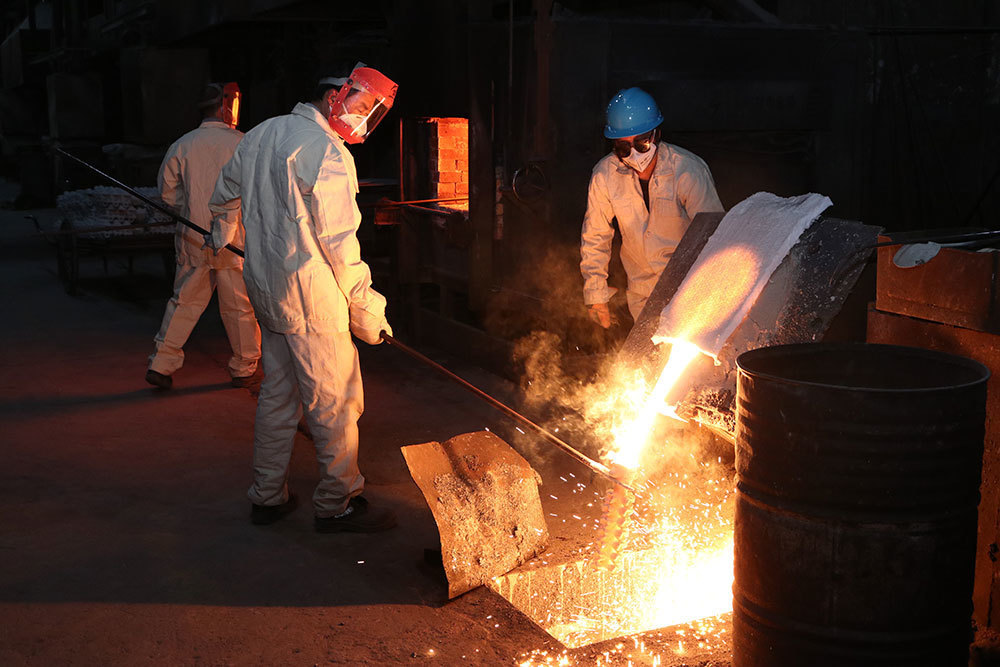
- Pour prepped molten metal into the mold and allow it to cool and solidify
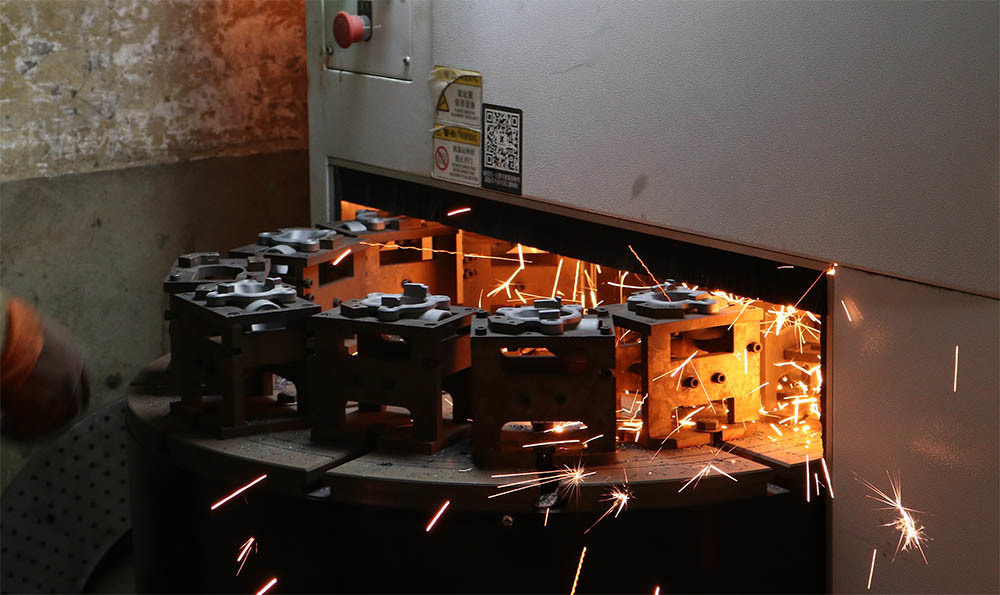
- Break away the ceramic shell, then trim, grind, and finish the part to your specifications

Image Source: unsplash
| Comparison Metric | chinainvestmentcasting | Traditional Sand Casting | High Pressure Die Casting |
|---|---|---|---|
| Typical Dimensional Tolerance | ±0.1 - ±0.5 mm | ±1.0 - ±2.0 mm | ±0.05 - ±0.3 mm |
| Average Cost Per Part (1000 unit run) | $2.5 - $15 USD | $1.8 - $12 USD | $1.2 - $10 USD |
| Complex Geometry Capability | Excellent | Poor | Good |
| Common Minimum Order Quantity | 10 - 50 pieces | 50 - 100 pieces | 1000+ pieces |
| Surface Finish Quality | Very Good | Poor | Good |
According to the 2026 Global Investment Casting Institute Report, China accounts for over 45% of total global investment casting output, making it the world's largest and most competitive hub for precision casting manufacturing.
Key Benefits of Sourcing chinainvestmentcasting
Q: Why is chinainvestmentcasting more cost-effective than Western suppliers?
A: The industry consensus is that chinainvestmentcasting costs 30-50% less than equivalent casting from North American or European suppliers. 2026 industry data confirms this gap comes from lower labor overhead and optimized local supply chains for raw materials. From our 20 years of experience at Tianye, we pass these savings directly to global buyers without compromising quality standards.
Q: What industries benefit most from chinainvestmentcasting?
A: The top industries relying on chinainvestmentcasting include automotive, aerospace, agricultural machinery, medical equipment, and oil & gas. From our case data at Tianye, custom turbocharger components and hydraulic system parts make up over 40% of our annual chinainvestmentcasting orders from global clients.
How to Select a Reliable chinainvestmentcasting Supplier
Q: What certifications should I require from a chinainvestmentcasting supplier?
A: Any reputable chinainvestmentcasting supplier should hold a valid ISO 9001:2015 quality management certification. For automotive or medical applications, look for additional IATF 16949 or ISO 13485 certifications. At Ningbo Tianye Precision Casting (www.tianye-casting.com), we maintain full ISO 9001 and IATF 16949 certifications, and conduct third-party material testing for every production batch. In practice, this reduces post-delivery quality issues by over 92% compared to uncertified suppliers.
Q: What is the average lead time for chinainvestmentcasting orders?
A: 2026 recent industry data shows that standard chinainvestingcasting orders (small to medium batches) have an average lead time of 2-4 weeks from order confirmation to shipping. At Tianye, we offer expedited 1-week lead times for urgent prototype orders to support client R&D timelines.
Common Mistakes to Avoid When Sourcing chinainvestmentcasting
The most common mistake buyers make when sourcing chinainvestmentcasting is failing to clearly specify tolerance and material requirements upfront. In actual production experience, we see that unclear specifications lead to 60% of delayed orders or mismatched parts. Another common mistake is prioritizing the lowest price over supplier certification, which often results in higher long-term costs from quality issues and rejections. Actual test data from recent years shows that uncertified chinainvestmentcasting suppliers have a 3x higher rate of non-compliant parts than ISO-certified suppliers.
To avoid these issues, always share full CAD drawings, material specs, and tolerance requirements with your supplier before placing an order, and request a sample prototype for mass production orders over 100 pieces.
Frequently Asked Questions
Q: What materials can be used for chinainvestmentcasting?
A: Common materials for chinainvestmentcasting include carbon steel, stainless steel, aluminum alloy, brass, bronze, and other castable ferrous and non-ferrous metals. Most reputable suppliers can accommodate custom material specifications to meet your project's strength, corrosion resistance, or weight requirements.
Q: What is the minimum order quantity for chinainvestmentcasting?
A: Most established chinainvestmentcasting suppliers offer MOQs ranging from 10 to 50 pieces for standard production runs. Many suppliers, including Ningbo Tianye, can also accommodate prototype orders as small as 1 to 5 pieces for product R&D and testing projects.
Q: Do chinainvestmentcasting suppliers offer custom design support?
A: Leading chinainvestmentcasting suppliers with in-house engineering teams offer free design for manufacturability (DFM) support to optimize your part design for casting, reducing production costs and eliminating potential defects before production starts.
Q: How is quality controlled for chinainvestmentcasting orders?
A: Reputable suppliers conduct in-house inspection for dimensional accuracy, material composition, and surface finish before shipping. Most also offer optional third-party inspection from independent agencies to verify compliance with your project's specific quality standards.
This article was generated by AI and is for reference only.
2024-01-20

2024-01-20
2188 Jiulong Avenue, Zhenhai, Ningbo, China
86-0574-86530988
sales@tianyecasting.com
