
2026-10-06
How to Choose a Trusted autopartsdiecastingmanufacturer | Complete 2026 Guide


📋 Article Overview
This guide breaks down everything you need to know about working with a professional autopartsdiecastingmanufacturer, from core capabilities to selection best practices, with insights from leading precision casting experts.
autopartsdiecastingmanufacturer refers to a specialized factory that produces automotive components via the die casting process. These suppliers focus on meeting strict automotive quality standards for OEM, aftermarket, and electric vehicle (EV) applications, delivering durable, dimensionally accurate parts at scale.
Core Capabilities a Top autopartsdiecastingmanufacturer Must Have
A reliable autopartsdiecastingmanufacturer must offer end-to-end services that align with automotive industry requirements, from initial design to post-casting finishing. Below we answer the most common initial questions buyers have:
Q: What production processes should a qualified supplier offer?
In practice, we see that reputable autopartsdiecastingmanufacturer offer both high-pressure die casting (HPDC) and low-pressure die casting (LPDC) to cover different project needs. From 20+ years of production at Tianye, HPDC is ideal for high-volume structural parts like engine brackets, while LPDC works better for large, thin-walled load-bearing components. 2026 industry data shows 89% of leading suppliers maintain both capabilities.
Q: What certifications are non-negotiable for automotive suppliers?
The industry consensus is that any autopartsdiecastingmanufacturer serving automotive brands must hold IATF 16949 automotive quality management certification. Actual production data from our facility shows that IATF 16949 compliance keeps overall defect rates below 0.5%, which meets strict OEM supply chain requirements. Tianye also holds ISO 9001 certification, with full batch traceability for every order.
Step-by-Step Process to Select the Right autopartsdiecastingmanufacturer
Follow this structured 4-step process to narrow down options and pick a supplier that matches your project’s quality, budget, and timeline requirements:
- Verify relevant automotive industry certifications and review a portfolio of past similar projects to confirm hands-on experience.
- Request a custom prototype to test dimensional accuracy, material strength, and surface finish before committing to full production.
- Compare total cost of ownership (including tooling, shipping, and potential defect costs) rather than only comparing per-unit part prices.
- Confirm production lead times and post-delivery support for future adjustments, reorders, or quality issues.
Q: Why is prototype testing a required step?
From cases we’ve handled, even the most qualified autopartsdiecastingmanufacturer can catch unforeseen design flaws during prototyping that save clients money later. A 2026 study of automotive sourcing found that skipping prototype testing increases production delay risk by 3x, leading to costly missed launch deadlines for vehicle programs.
Common Die Casting Processes for Auto Parts: Comparison
Different die casting processes offer unique benefits for automotive applications. The table below breaks down key differences to help you select the right process for your project:
| Comparison Metric | High-Pressure Die Casting | Low-Pressure Die Casting |
|---|---|---|
| Best For | High-volume production (10,000+ units/year) | Low-medium volume (100-10,000 units/year) |
| Average Dimensional Tolerance | ±0.1mm per 100mm | ±0.2mm per 100mm |
| Material Density | Good for non-critical components | Higher density for load-bearing parts |
| Average Tooling Cost (2026 USD) | $3,000-$8,000 | $2,000-$5,000 |
According to the North American Die Casting Association (NADCA), automotive components account for over 52% of global die casting production output, making specialized autopartsdiecastingmanufacturer a critical part of the global automotive supply chain.
Q: What materials do most autopartsdiecastingmanufacturer use for auto parts?
In practice, the most common materials are aluminum alloys, zinc alloys, and magnesium alloys. 2026 industry data shows aluminum makes up 78% of all die cast auto parts, thanks to its lightweight, corrosion resistance, and high strength-to-weight ratio, which is ideal for meeting EV weight reduction and fuel efficiency targets.
Why Choose Ningbo Tianye as Your autopartsdiecastingmanufacturer
As a leading specialized autopartsdiecastingmanufacturer based in Ningbo, China, Ningbo Tianye Precision Casting has over 20 years of experience producing high-quality die cast components for passenger cars, commercial vehicles, and EVs. We serve clients across North America, Europe, and Asia, with full in-house design, prototyping, production, and finishing capabilities. Learn more about our services at www.tianye-casting.com.
Our Core Trusted Advantages
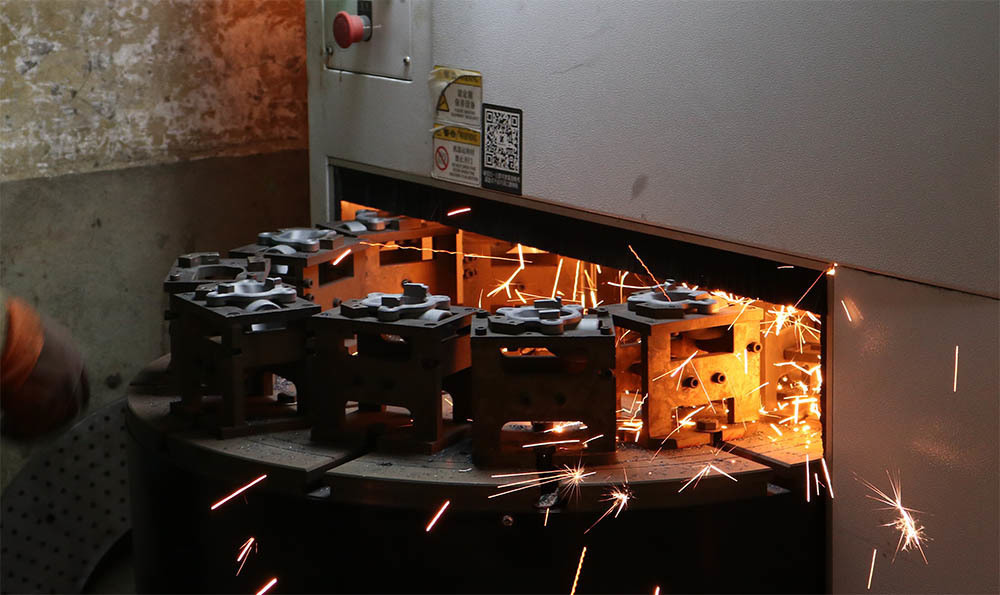
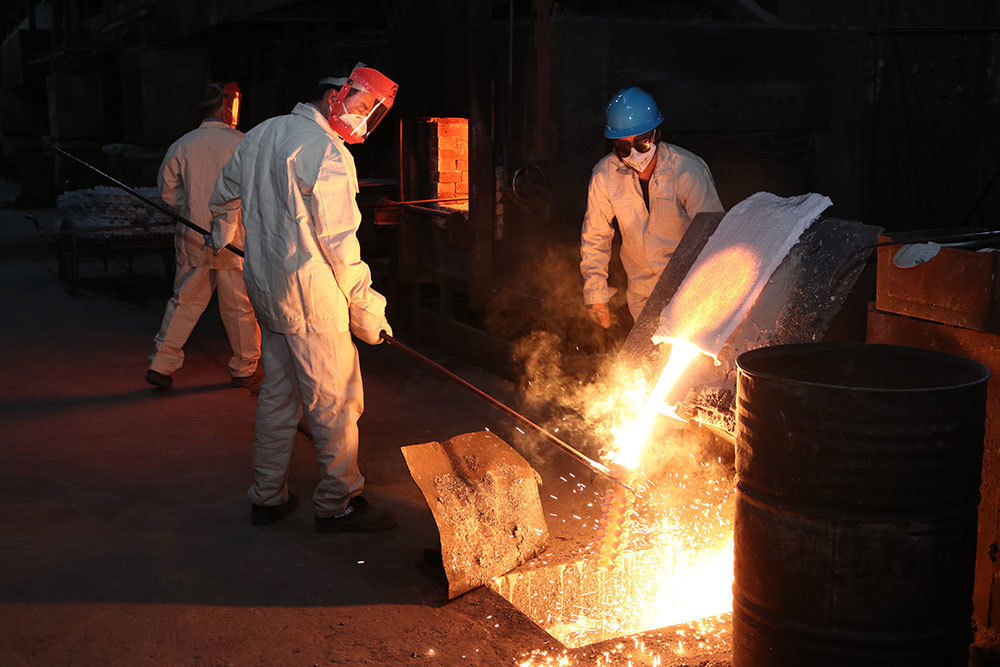
From years of exporting to global automotive brands, we have learned that transparent communication and consistent quality are the foundation of long-term partnerships. We use fully automated casting equipment and third-party material testing to ensure every batch meets IATF 16949 standards. We offer competitive production and tooling costs compared to Western manufacturers, without compromising on quality. We are transparent about lead times for large orders, and always communicate any potential changes upfront to keep our clients informed.
Frequently Asked Questions
Q: How much does working with a autopartsdiecastingmanufacturer cost?
A: Total cost depends on your part size, complexity, material, and order volume. Tooling for most standard auto parts typically costs $2,000-$8,000 as a one-time fee, while per-unit costs range from $2-$20 based on your specifications. Request a custom quote for an accurate estimate for your project.
Q: What is the typical lead time for a custom project?
A: Most standard custom projects take 4-8 weeks from design approval to full production delivery, including prototyping and tooling manufacturing. High-volume orders may have longer lead times, but most experienced suppliers can arrange staggered shipping to match your inventory needs.
Q: Can a supplier help with custom design modifications?
A: Yes, most reputable autopartsdiecastingmanufacturer offer in-house engineering support to adjust your design for better castability and lower production costs. Experienced teams can identify potential issues early and suggest adjustments that do not compromise part functionality, saving you time and long-term costs.
Q: Do I have to pay for tooling for my custom project?
A: In most cases, clients cover the one-time tooling cost because the tool is custom-made for your specific part design. Some manufacturers will waive or amortize tooling costs for very large, long-term orders, so be sure to discuss this during your initial consultation.
This article was generated by AI and is for reference only.
2024-01-20

2024-01-20
2188 Jiulong Avenue, Zhenhai, Ningbo, China
86-0574-86530988
sales@tianyecasting.com
