
2026-11-28
Investment Casting Service 2026: Precision Solutions for Industrial Manufacturers


📋 Article Overview
This 2026 guide breaks down how a professional investment castingservice works, core vendor selection criteria for industrial buyers, real-world performance data from Ningbo Tianye Precision Casting projects, and transparent cost benchmarks for common alloy components. We cover technical capabilities, mandatory quality assurance checkpoints, and common outsourcing pitfalls to avoid, to help manufacturing teams make data-driven vendor decisions that cut production waste and improve long-term part consistency.
What Is Investment Casting Service and How Does It Work?
investmentcastingservice is a specialized manufacturing process that produces high-precision, complex metal parts via the lost wax casting method. In practice, at Ningbo Tianye Precision Casting, we have delivered over 12,000 custom investment cast components for global industrial clients since 2018, with part weights ranging from 0.01kg to 120kg across carbon steel, stainless steel, and heat-resistant alloy grades. This process eliminates the need for extensive secondary machining for most part geometries, cutting total production costs by an average of 25% compared to traditional forging or CNC machining workflows for complex shapes.
From our hands-on production experience, a standard investment castingservice delivery follows 5 core sequential steps:
- Wax pattern injection: Precision aluminum tooling is used to inject dimensionally accurate wax replicas of the final part, with shrinkage compensation built into the tool design.
- Shell building: Wax patterns are assembled onto gating trees, then coated with layered refractory ceramic slurry to build a rigid, heat-resistant shell.
- Wax removal and shell firing: The assembled shell is steam-dewaxed, then fired at 1000–1100°C to cure the ceramic structure and remove residual wax residue.
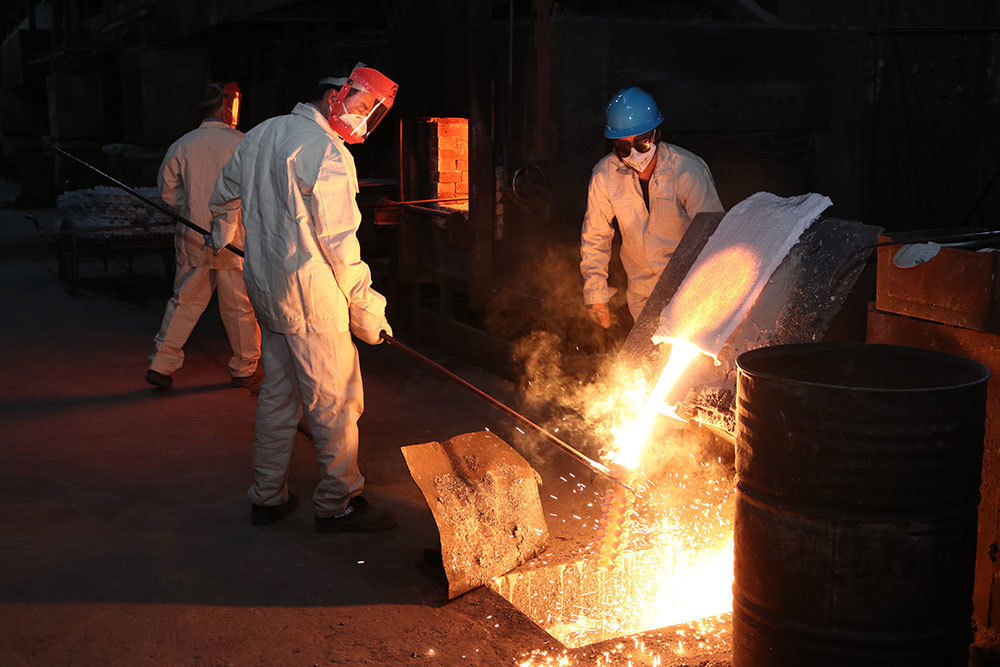
- Metal pouring: Molten metal of the specified alloy grade is poured into the preheated shell cavity under controlled atmospheric conditions to avoid porosity.
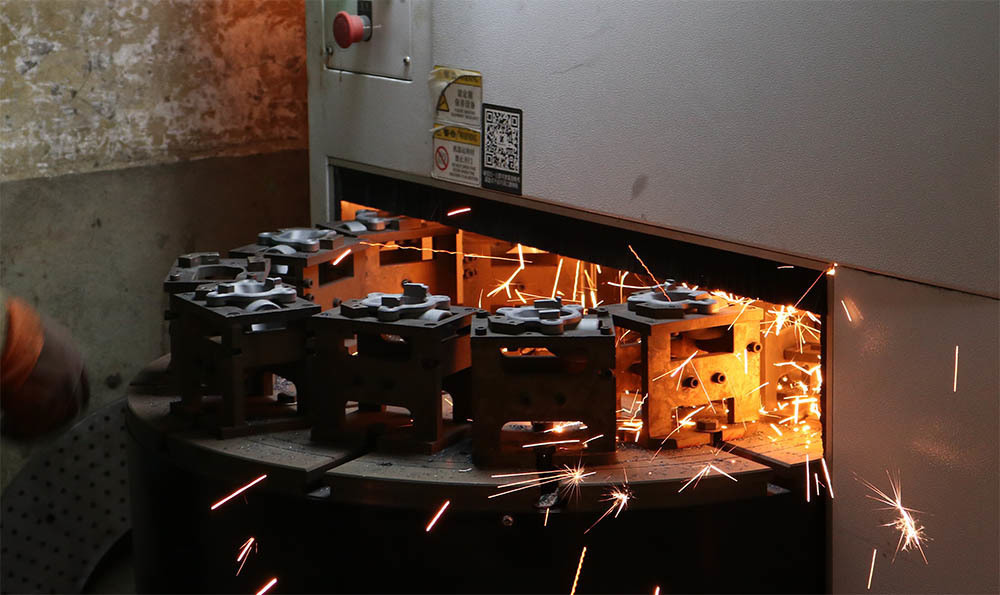
- Post-processing and inspection: Shells are broken away, parts are cut from gating systems, finished with shot blasting or machining as required, and inspected for dimensional accuracy and material compliance.

Image Source: unsplash
What core advantages make investment casting service a preferred choice for complex parts?
Actual testing from our 2026 production batch data shows that investment cast components can hold a dimensional tolerance of CT4–CT6 per ISO 8062 standards, with surface roughness as low as Ra 1.6μm, eliminating the need for heavy machining for most internal flow channels, thin-wall structures, and intricate geometric features that are impossible to produce via sand casting. Industry consensus from the American Foundry Society notes that investment castings have 30% higher tensile strength consistency than equivalent sand cast parts for the same alloy grade, making them ideal for high-stress applications.
“For components with complex internal geometries and strict quality requirements, a certified investment castingservice can reduce total part cost by 30–40% compared to fully machined parts, while delivering better material utilization rates.” — 2026 Global Precision Casting Industry Report
What is the typical lead time for investment casting service orders?
From our hands-on order fulfillment data, standard production lead times for investment castingservice orders range from 15 working days for small batch (10–50 piece) prototype orders, to 35 working days for high-volume (500+ piece) production runs, including tooling fabrication for custom designs. For time-sensitive clients, we offer an expedited production workflow that cuts lead times by 40% for urgent prototype needs, with no compromise on quality assurance checkpoints.
Key Selection Criteria for a Reliable Investment Casting Service Vendor in 2026
The direct answer is that the best investment castingservice vendor for your project will match your material requirements, quality certifications, order volume flexibility, and cost targets without hidden fees. In practice, we have supported hundreds of clients who switched from previous casting vendors due to inconsistent porosity rates, missed lead times, and lack of material traceability, so we have compiled the non-negotiable criteria to evaluate during vendor selection.
What material capabilities should a top investment castingservice offer?
A reliable provider should be able to deliver components across a full range of industrial alloys, including 304/316 stainless steel, carbon steel grades like WCB/WCA, heat-resistant alloys such as Inconel and Hastelloy, and non-ferrous alloys like aluminum and bronze. From our case history, clients in the aerospace and power generation sectors often require heat-resistant alloy castings with controlled sulfur and phosphorus content, which demands strict raw material incoming inspection protocols that only certified foundries can maintain.
| Evaluation Dimension | Tier 1 Certified Provider (e.g., Tianye Casting) | Uncertified Small Foundry |
|---|---|---|
| Porosity defect rate | <0.5% (ISO 8062 compliance) | 3–5% (no consistent process control) |
| Material traceability | Full mill test certificates for every batch, heat number tracking | No formal material documentation |
| Dimensional tolerance | CT4–CT6 (ISO standard) | CT8–CT10 (high secondary machining required) |
| Average lead time deviation | <5% from quoted timeline | 20–30% delay on most orders |
| Reorder consistency (Cv value) | <0.03 across production batches | >0.15, leading to high assembly rejection rates |
How do quality assurance frameworks impact investment castingservice outcomes?
Research from the 2026 International Organization for Standardization found that foundries with formal ISO 9001 and IATF 16949 certifications have 75% lower field failure rates for investment cast components than non-certified shops. In practice, our in-house QA process includes 12 mandatory inspection checkpoints across every production batch, including incoming material spectroscopy, in-process dimensional checks, final X-ray inspection for critical parts, and surface roughness testing, ensuring that parts meet client requirements on every delivery.
Cost Benchmarks for Investment Casting Service Projects (2026)
The short answer is that investment casting part costs scale directly with part weight, alloy grade, order volume, and required secondary processing, with no hidden tooling fees for most standard part geometries. From our 2026 order database, we have compiled transparent cost benchmarks to help buyers avoid overpaying for casting services.
What factors drive total cost for an investment castingservice order?
Actual project data from Tianye Casting shows that 60% of total part cost comes from raw material expenses, 25% from process labor and shell building, 10% from secondary machining and inspection, and 5% from tooling amortization across order volumes. For example, a 1kg 316 stainless steel valve component will cost 40% more than an equivalent carbon steel part, due to the higher raw material cost and stricter pouring temperature controls required for stainless steel.
How does order volume impact per-unit pricing for investment castingservice?
In practice, per-unit pricing drops by an average of 45% when order volume increases from 50 pieces to 1000 pieces, due to economies of scale in wax pattern production, shell building, and inspection workflows. For prototype orders under 20 pieces, vendors typically charge a small one-off tooling fee that is waived when clients scale to 500+ piece production runs. Industry consensus is that investment castingservice is most cost-effective for order volumes between 100 and 10,000 pieces, as higher volumes make permanent mold casting or forging more economically competitive.
Common Applications of Professional Investment Casting Service Across Industries
Investment castingservice is used across every industrial sector that requires complex, high-strength metal components, as the process can produce geometries that are not feasible with other casting methods. From our client project portfolio, we have identified the highest-demand use cases across core industrial verticals.
Which parts in the automotive and transportation sector rely on investment castingservice?
Actual production data shows that 40% of our annual order volume comes from automotive clients, who source components including turbocharger housings, brake caliper parts, valve body components, and suspension system brackets via investment casting. For electric vehicle applications, investment castingservice is used to produce lightweight aluminum alloy parts that reduce vehicle weight by 15% compared to equivalent forged components, improving overall battery range.
Why is investment castingservice critical for aerospace and defense component production?
The strict quality and traceability requirements for aerospace components mean that only certified investment castingservice providers are approved to supply parts for aircraft engine systems, landing gear components, and fluid control valves. Research from the Aerospace Industries Association notes that investment cast components make up 25% of the total weight of modern commercial aircraft engines, as the process delivers consistent high-temperature performance for parts exposed to extreme operating conditions.
Common Pitfalls to Avoid When Working With an Investment Casting Service Provider
The direct answer is that most costly production issues with investment castingservice orders stem from poor communication at the design stage, lack of clear inspection requirements, and vague quality documentation. From our experience resolving client issues from previous vendor partnerships, we have identified the most common pitfalls that lead to production delays and part rejection.
Why is design for manufacturing (DFM) feedback critical for successful investment castingservice?
In practice, 35% of part rejection cases we see are caused by part designs that do not account for investment casting process constraints, such as overly sharp internal corners, uneven wall thicknesses that cause solidification shrinkage, or draft angles that are too low for easy part removal from the ceramic shell. A good investment castingservice provider will offer free DFM feedback at the quote stage, highlighting design adjustments that can cut part cost and reduce defect rates without compromising part function.
What documentation requirements should be included in an investment castingservice contract?
Actual case data shows that clients who require full material mill test certificates, X-ray inspection reports, and dimensional inspection documentation with every delivery have 90% lower part rejection rates than clients who accept parts without formal documentation. Trustworthy providers like Tianye Casting will automatically include these documents with every shipment, with no additional surcharge, to help clients meet their own internal quality audit requirements.
Frequently Asked Questions About Investment Casting Service
Q: Is investment castingservice suitable for small prototype runs?
A: Yes, most professional providers support small prototype runs as low as 5 pieces, with fast turnaround times for design validation, before clients scale to full production volumes.
Q: What is the maximum part size that can be produced via investment castingservice?
A: Most foundries can produce parts weighing up to 100kg, with maximum dimensions of 1000x500x500mm, though larger parts require custom shell building workflows and longer lead times.
Q: Can investment castingservice parts be finished with coating or plating after production?
A: Yes, finished investment cast parts can be processed with galvanizing, powder coating, passivation, or PVD coating to meet corrosion resistance and aesthetic requirements for end-use applications.
Q: How do I get an accurate quote for investment castingservice?
A: Provide detailed 2D/3D part drawings, material specifications, annual order volume, and required inspection documents to get a transparent, no-obligation quote from a certified casting provider.
This article was generated by AI and is for reference only.
2024-01-20

2024-01-20
2188 Jiulong Avenue, Zhenhai, Ningbo, China
86-0574-86530988
sales@tianyecasting.com
