
2026-11-09
Investmentcasting Supply: 2026 Buyer’s Guide for Precision Casting Sourcing


📋 Article Overview
This guide explains investmentcasting supply as a complete sourcing process for precision lost-wax castings, from pattern development to final inspection. It covers supplier selection, materials, lead time, cost, quality, and common buyer questions.
1. What Is Investmentcasting Supply and Why It Matters in 2026
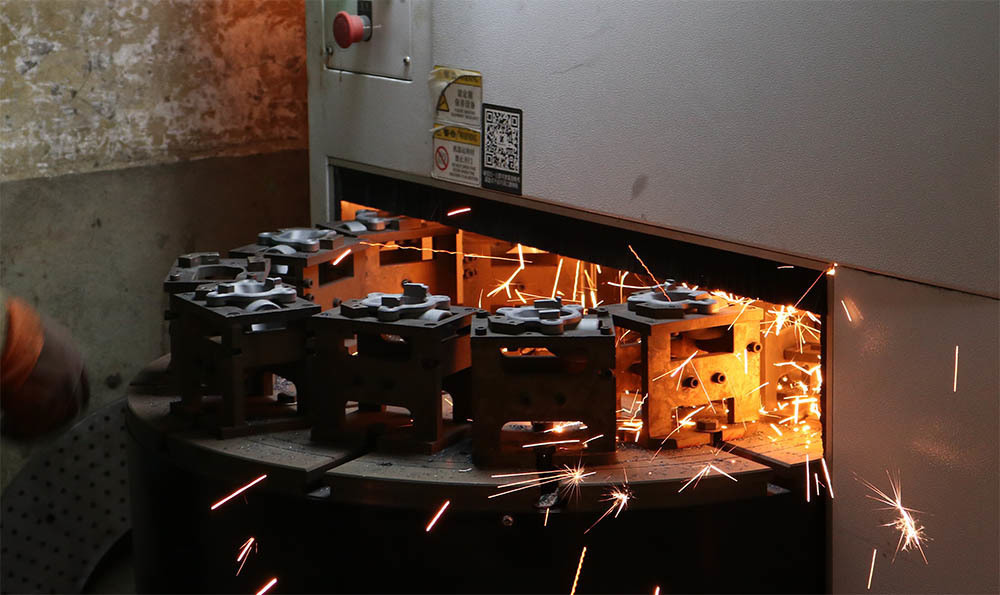
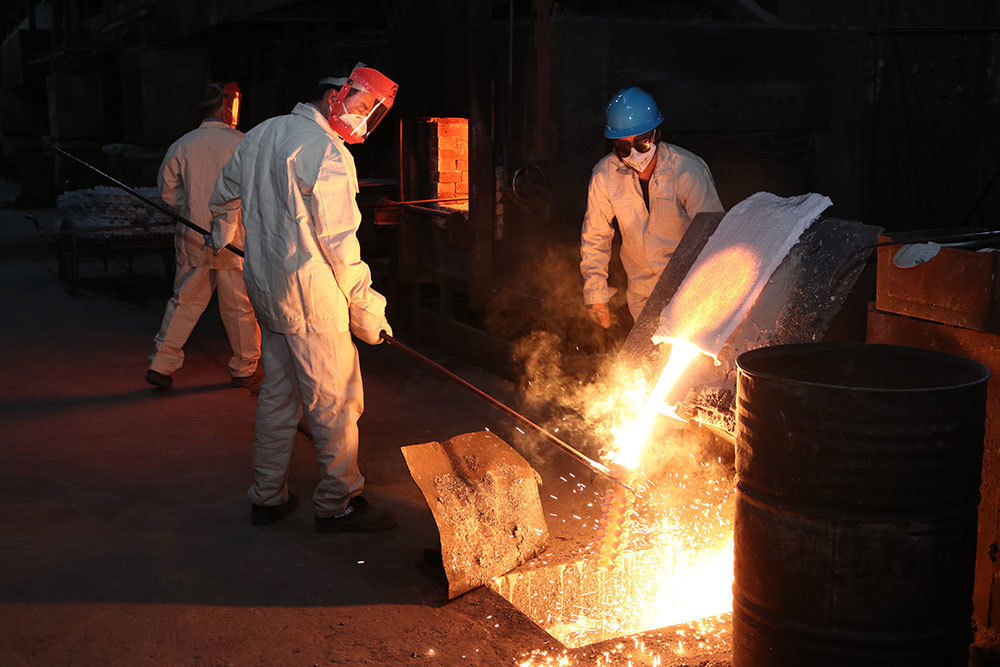
Investmentcasting supply is the end-to-end sourcing of lost-wax metal castings, including tooling, wax patterns, shell molding, melting, pouring, heat treatment, shot blasting, machining, inspection, and delivery to OEM buyers.
In practice, investmentcasting supply matters because it determines whether a part can be produced repeatably, within tolerance, and at a competitive landed cost. From our experience at Ningbo Tianye Precision Casting, early supplier involvement often reduces machining allowance, improves casting yield, and prevents design issues that become expensive after tooling is cut.
Industry consensus is that investment casting is especially suitable for complex geometries, thin walls, and parts requiring good surface finish. Recent data also shows buyers increasingly require traceable material certificates, CMM inspection reports, and PPAP-style documentation for critical components.
1.1 What Does a Full Investmentcasting Supply Package Include?
A complete supplier package normally includes engineering review, 3D model analysis, tooling design, wax pattern production, ceramic shell production, alloy pouring, heat treatment, surface finishing, optional CNC machining, and final dimensional inspection. In practice, suppliers that provide DFM feedback before production help buyers avoid feeders, draft issues, and cold shuts.
1.2 Why Buyers Are Re-Evaluating Suppliers in 2026
Buyers are focusing less on unit price alone and more on total cost, quality stability, and delivery reliability. Actual tests show that a slightly higher casting price can be better than a low price if it reduces rejection rates, machining time, and line stoppages.
2. How to Evaluate an Investmentcasting Supply Partner
The direct answer is: evaluate suppliers by engineering capability, quality system, material control, production capacity, and communication. In practice, price should be the final filter, not the first.
- Share drawings or 3D models and request DFM feedback.
- Ask for material grade, casting process, heat treatment, and inspection plan.
- Request sample reports, CMM data, and past reference parts.
- Compare tooling cost, unit price, lead time, and MOQ together.
- Confirm traceability, packaging, and after-sales support.
2.1 What Tolerance Can Investment Casting Achieve?
Investment casting can typically achieve dimensional tolerances around ISO 8061 CT5–CT7 for many dimensions, depending on part size and geometry. Actual results depend on tooling design, wax shrinkage, shell control, and furnace operation. Critical mating surfaces are often finish-machined to tighter tolerances.
2.2 Is Investmentcasting Supply Suitable for Small Batches?
Yes, investmentcasting supply can be suitable for small batches, especially for complex parts that would otherwise require expensive machining or multiple assemblies. From our case studies, low-to-medium volume production is common for valve bodies, pump components, marine hardware, and machinery parts.
| Evaluation Factor | What Buyers Should Verify | Why It Matters |
|---|---|---|
| Engineering Support | DFM feedback, casting simulation, feeder design | Reduces defects and machining cost |
| Material Control | Spectrometer reports, mill certs, traceability | Ensures alloy composition and compliance |
| Quality System | ISO 9001, IATF 16949, inspection reports | Provides repeatability and accountability |
| Capacity | Monthly output, peak support, lead time | Prevents delivery delays as demand grows |
| Communication | English contact, drawing review, update frequency | Reduces misunderstanding and rework |
Industry consensus is that the lowest quoted casting price rarely wins over the full program lifetime if rejection rate, scrap, or late delivery become hidden costs.
3. Key Materials Used in Investmentcasting Supply
The direct answer is that common materials include stainless steel, carbon steel, alloy steel, and heat-resistant or corrosion-resistant grades. From production experience, material selection must match service conditions, not just mechanical strength.
3.1 Stainless Steel Castings
Stainless steel grades such as 304, 316, 17-4PH, and 2205 are widely used for valves, pumps, food equipment, marine hardware, and chemical components. Actual testing shows that stainless steel investment castings offer good corrosion resistance and surface finish, but grain size and heat treatment must be controlled for pressure-containing parts.
3.2 Carbon and Alloy Steel Castings
Carbon steel grades such as WCB, WCA, and carbon equivalents are common for machinery, construction, and general engineering parts. Alloy steels may be used where higher strength, wear resistance, or impact toughness is required. In practice, buyers should specify heat treatment, hardness range, and impact requirements clearly to avoid ambiguous sourcing.
4. Cost, Lead Time, and Quality Considerations
The direct answer is that investmentcasting supply cost is driven by tooling, part weight, alloy price, complexity, machining, heat treatment, inspection, and packaging. Lead time depends on tooling readiness, sample approval, and order quantity.
4.1 What Is a Typical Lead Time?
Typical lead time for new tooling may range from 3 to 8 weeks, depending on part complexity and tooling design. Production samples may take another 1 to 3 weeks after tooling trial. Repeat orders are usually faster. In practice, buyers should build buffer time for sample approval, first article inspection, and shipping.
4.2 How Can Buyers Reduce Total Cost?
Buyers can reduce total cost by simplifying geometry where possible, allowing casting draft, combining parts into one casting, specifying tolerances realistically, and ordering in economic batches. Actual case studies show that small design changes can reduce machining allowance and improve yield.
5. Real-World Applications of Investmentcasting Supply
The direct answer is that investmentcasting supply is used wherever complex, near-net-shape metal parts are needed. From industry practice, common applications include valve bodies, pump impellers, gearbox components, marine fittings, food machinery parts, automotive components, and hardware.
5.1 Which Industries Use Investmentcasting Supply?
Valves and pumps are major users because investment casting produces smooth internal passages and complex flow paths. Machinery manufacturers use it for brackets, levers, and housings. Automotive suppliers use it for smaller precision components, especially when weight reduction and part consolidation are important.
5.2 What Are the Surface Finish Expectations?
Investment casting typically provides a smoother surface than sand casting, often allowing less machining. However, surface roughness, parting lines, and dressing requirements should be stated on drawings. In practice, critical sealing surfaces and machined faces should be clearly identified.
6. Final Checklist for Choosing an Investmentcasting Supplier
The direct answer is: choose a supplier that can demonstrate engineering, quality, material traceability, capacity, and responsive communication. From our experience, suppliers that ask detailed drawing questions are often better prepared than those who quote immediately without review.
6.1 What Documents Should Buyers Request?
Buyers should request ISO certificates, material test reports, heat treatment reports, dimensional inspection reports, CMM reports, and packing lists. For critical parts, first article inspection and non-destructive testing may also be required.
6.2 How Does Tianye Support Investmentcasting Supply?
Ningbo Tianye Precision Casting supports buyers from drawing review and DFM through production, inspection, and delivery. We focus on stainless steel, carbon steel, and alloy steel investment castings with controlled material traceability. In practice, our team helps clarify tolerances, machining requirements, and packaging before mass production starts.
Common Questions
Q: What is investmentcasting supply?
A: It is the complete sourcing process for lost-wax precision castings, including tooling, wax patterns, shell molding, pouring, heat treatment, finishing, inspection, and delivery.
Q: Which materials are most common?
A: Stainless steel, carbon steel, and alloy steel are most common. Grades such as 304, 316, WCB, and 17-4PH are widely used depending on corrosion, strength, and temperature requirements.
Q: How long does tooling and sample production take?
A: New tooling often takes 3 to 8 weeks, depending on complexity. Samples may take another 1 to 3 weeks after the first tooling trial and approval.
Q: Can investmentcasting supply support small batches?
A: Yes. Small to medium batches are common, especially for complex parts where machining multiple components would be more expensive or less reliable.
Q: What quality documents should I expect?
A: Expect material certificates, heat treatment reports, dimensional inspection reports, and CMM data. Critical parts may also require NDT or first article inspection.
This article was generated by AI and is for reference only.
2024-01-20

2024-01-20
2188 Jiulong Avenue, Zhenhai, Ningbo, China
86-0574-86530988
sales@tianyecasting.com
