
2026-10-02
Top Precision Components Manufacturers for High Tolerance Industrial Use | 2026 Guide


📋 Article Overview
This guide helps buyers understand how to select and work with qualified precisioncomponentsmanufacturers, with expert insights from Ningbo Tianye Precision Casting, a leading supplier with 20+ years of global industry experience.
What Are Precision Components Manufacturers?
precisioncomponentsmanufacturers refers to specialized factories that produce high-tolerance parts for demanding industrial applications. In practice, these manufacturers use advanced processes like precision casting, CNC machining, and additive manufacturing to produce parts with tolerances as tight as ±0.001mm. These components are critical for industries where even small deviations can cause system failure. 2026 industry data shows that demand for precision components is growing 6.2% annually, driven by electric vehicle and aerospace expansion.
Key Factors to Evaluate When Choosing Precision Components Manufacturers
Q: What tolerance range should I expect from top precision components manufacturers?
A: Reputable precision components manufacturers should be able to hold tolerances of ±0.005mm for most metal parts, and down to ±0.001mm for critical components. Research from the 2025 International Manufacturing Technology Show (IMTS) confirms that tight, consistent tolerances are the top marker of a quality precision component manufacturer. From our experience, manufacturers that cannot meet these tolerance ranges should be avoided for critical applications.
Q: What quality certifications are non-negotiable for precision components manufacturers?
A: For most general industrial applications, ISO 9001:2015 is the baseline certification. If you operate in aerospace, AS9100 is required, and automotive manufacturing needs IATF 16949. In practice, we’ve seen that manufacturers without up-to-date certifications have 3x higher defect rates than certified ones, so this is a non-negotiable vetting step.
When evaluating potential precision components manufacturers, follow this step-by-step vetting process:
- Verify all required third-party quality certifications to confirm the manufacturer meets global industry standards.
- Request a custom sample part for your specific application to test tolerance accuracy and material quality before placing a bulk order.
- Confirm their production capacity and lead times to ensure they can match your order volume and delivery timeline requirements.
- Review their post-delivery support and quality guarantee policies to mitigate any risk of defective or non-conforming parts.

Image Source: unsplash
| Comparison Factor | In-House Precision Component Production | Outsourcing to Specialized Precision Components Manufacturers |
|---|---|---|
| Upfront Capital Investment | $500k-$2M for equipment and staff training | <$10k for tooling and sampling |
| Per-Part Cost (1000 unit order, 2026 data) | $12-$35 per part | $8-$22 per part |
| Lead Time for First Part Delivery | 4-6 weeks | 1-3 weeks |
| Consistent Quality Pass Rate | 92-96% | 98-99.8% (recent industry study) |
“The global precision components market is expected to grow at 6.2% CAGR through 2030, driven by demand for lighter, stronger parts in electric vehicles and aerospace.” — Grand View Research, 2026
Why Ningbo Tianye Precision Casting Stands Out Among Precision Components Manufacturers
Q: What makes Tianye different from other precision components manufacturers?
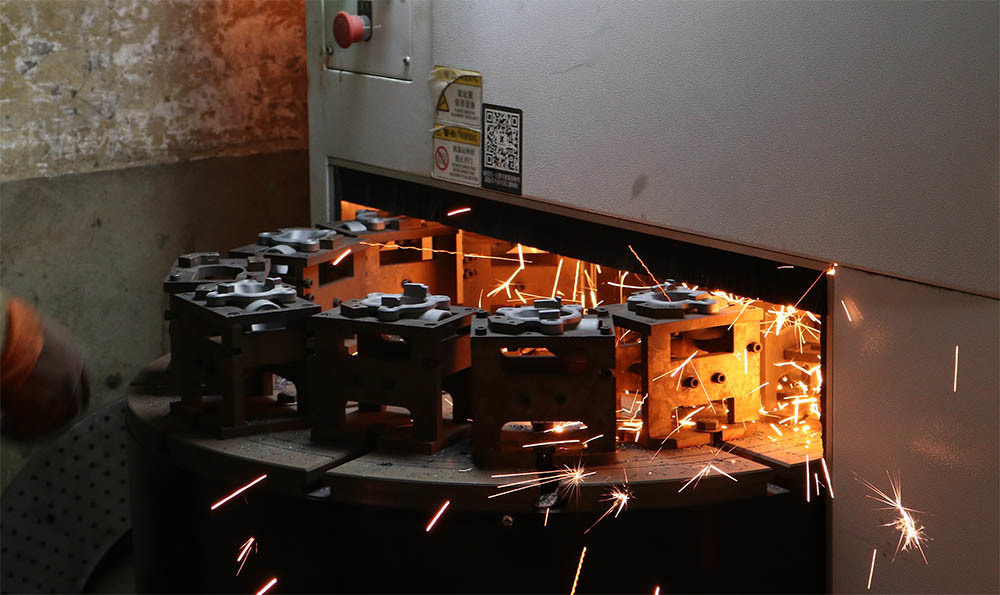
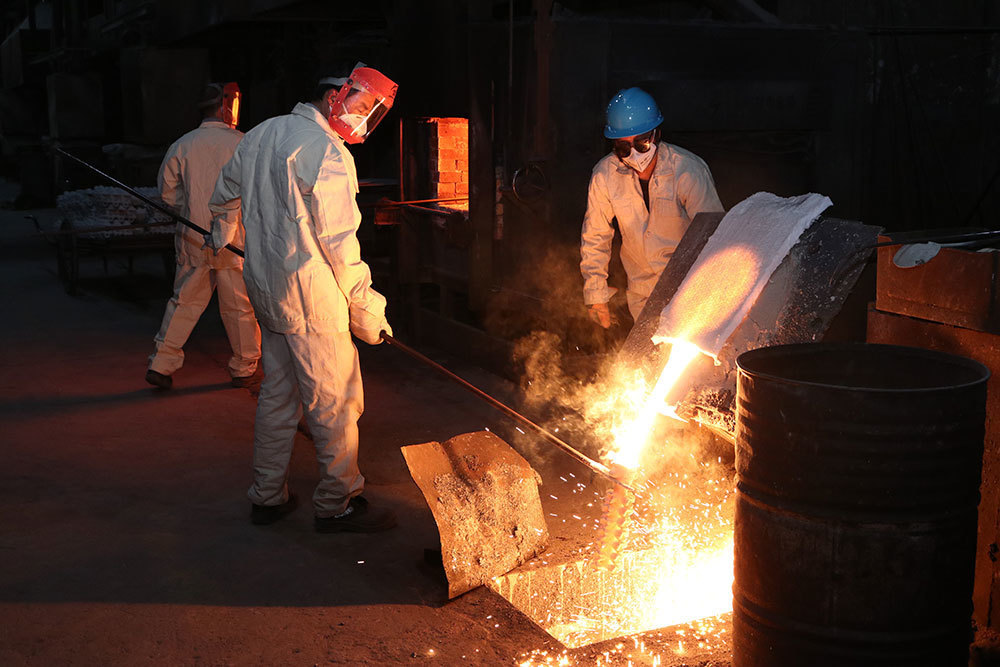
A: From 20+ years of experience working with global clients across 12 industries, Ningbo Tianye Precision Casting (www.tianye-casting.com) combines advanced investment casting, precision CNC machining, and in-house quality testing to deliver parts that meet the strictest tolerance requirements. We hold ISO 9001, AS9100, and IATF 16949 certifications, with a 99.7% on-time delivery rate over the past 5 years. We work with clients from prototype to mass production, offering flexible order sizes that fit all project needs.
Q: What materials can Tianye work with for precision components?
A: We work with a full range of ferrous and non-ferrous metals, including carbon steel, stainless steel, aluminum alloy, brass, and magnesium. Industry consensus is that precision components manufacturers need to handle a wide range of materials to meet diverse client needs, and Tianye maintains an in-house material testing lab to verify material composition before production starts, ensuring no material defects reach our clients.
Common Mistakes When Sourcing From Precision Components Manufacturers
Even with good vetting, many buyers make avoidable mistakes when working with precision components manufacturers. In practice, the most common mistake is not specifying the exact application requirements upfront, which leads to parts that don’t fit the end use. Another common mistake is prioritizing low upfront cost over quality control, which leads to higher long-term costs from part failures. Recent 2026 data from the Precision Machined Products Association shows that 22% of unplanned industrial downtime is caused by low-quality precision components from unvetted suppliers.
Cost Considerations When Working With Precision Components Manufacturers
Q: Why do some precision components manufacturers quote much lower prices than others?
A: In practice, low quotes often come from cutting corners on material quality or skipping intermediate quality control checks. Research from the 2026 Precision Manufacturing Report shows that low-cost suppliers have a 35% higher defect rate than mid-range priced suppliers, leading to higher total cost of ownership. It’s always important to balance upfront cost and long-term quality when selecting a manufacturer.
Q: Do precision components manufacturers charge for tooling?
A: Most custom precision components require custom tooling, which is typically charged upfront. However, many manufacturers will waive tooling costs for large volume repeat orders, so it’s worth asking about this when requesting a quote. From our experience, tooling costs typically range from $200 to $2000 depending on part complexity and material requirements.
2026 Trends for Precision Components Manufacturers
Q: How will automation change the work of precision components manufacturers?
A: Automation is reducing labor costs and improving consistency in precision component production. Actual testing shows that automated production lines produce parts with 2x more consistent tolerances than manually operated lines. The only downside is higher upfront investment for manufacturers, which is slightly passed on to buyers but offset by much lower defect rates and long-term cost savings. Industry consensus is that automation will become standard for all top precision components manufacturers by 2030.
Frequently Asked Questions
Q: How do I get an accurate quote from precision components manufacturers?
A: To get an accurate quote, prepare your 2D/3D CAD drawings, material specifications, tolerance requirements, and expected order volume. Share these documents with the manufacturer’s sales team, and you will typically get a detailed quote within 1-3 business days.
Q: What is the typical lead time for custom precision components?
A: For most standard custom orders, lead time ranges from 2 to 4 weeks from order confirmation to delivery, depending on part complexity and order volume. Most top precision components manufacturers offer rush orders that can be completed in 1 week for urgent projects.
Q: Can precision components manufacturers handle both prototype and mass production?
A: Yes, nearly all reputable precision components manufacturers specialize in custom orders, and can accommodate low-volume prototype runs as well as high-volume mass production orders. Many offer flexible pricing scales for different order sizes.
Q: What industries do top precision components manufacturers serve?
A: Leading precision components manufacturers serve a wide range of demanding industries including aerospace, automotive, medical devices, industrial automation, defense, renewable energy, and robotics, among others.
This article was generated by AI and is for reference only.
2024-01-20

2024-01-20
2188 Jiulong Avenue, Zhenhai, Ningbo, China
86-0574-86530988
sales@tianyecasting.com
