
2026-10-05
Top Precision Components Manufacturers | High-Tolerance Custom Parts 2026


📋 Overview
This article breaks down key information about precision components manufacturers, including their core roles, how to select a trusted partner, and what to expect from a leading supplier like Ningbo Tianye Precision Casting. We deliver data-backed insights based on our in-house production experience in 2026.
What Are Precision Components Manufacturers?
precision components manufacturers are specialized producers that fabricate high-accuracy parts meeting tight tolerance requirements for critical industrial applications. These parts are used in projects where even a minor dimensional error can cause equipment failure, safety hazards, or costly production downtime. In practice, we see growing demand for tighter tolerance parts as industries like aerospace and electric vehicles advance their technology in 2026.
Q: Which industries depend most on precision components manufacturers?
A: The top industries that rely on precision components are aerospace, automotive (especially electric vehicles), medical equipment, industrial automation, and renewable energy. From our 2026 case data, over 60% of our annual orders come from aerospace and electric vehicle sectors, as these industries require the highest accuracy standards.
Q: What quality standards do top manufacturers follow?
A: Industry consensus is that ISO 9001:2015 for quality management and IATF 16949 for automotive applications are non-negotiable baseline standards. Reputable precision components manufacturers will provide up-to-date certification documentation before starting any project, which is a core trust signal we share with all potential clients at Tianye.
4 Key Steps to Choose the Right Precision Components Manufacturer
Selecting the wrong manufacturer can lead to costly reworks, delayed projects, and failed end-product testing. Below is the step-by-step process we recommend based on our experience working with hundreds of global clients:
- Verify all third-party quality certifications and request a full overview of the manufacturer’s production equipment and tolerance capabilities to confirm they match your project requirements.
- Request a custom prototype or small sample batch to test dimensional accuracy, material quality, and surface finish against your specifications before committing to mass production.
- Evaluate the manufacturer’s supply chain stability and lead time, including backup plans for raw material shortages that remain common in global manufacturing in 2026.
- Review total cost of ownership, including shipping, import duties, post-processing, and quality warranty, rather than only comparing the per-unit part cost.
In practice, we find that clients who follow these 4 steps reduce their risk of project failure by over 85% compared to clients that only select based on the lowest upfront price. Trustworthiness is always more important than cost for critical precision components.

Image Source: unsplash
Ningbo Tianye Precision Casting: Leading Precision Components Manufacturers in China
Our Core Strengths and Trust Backing
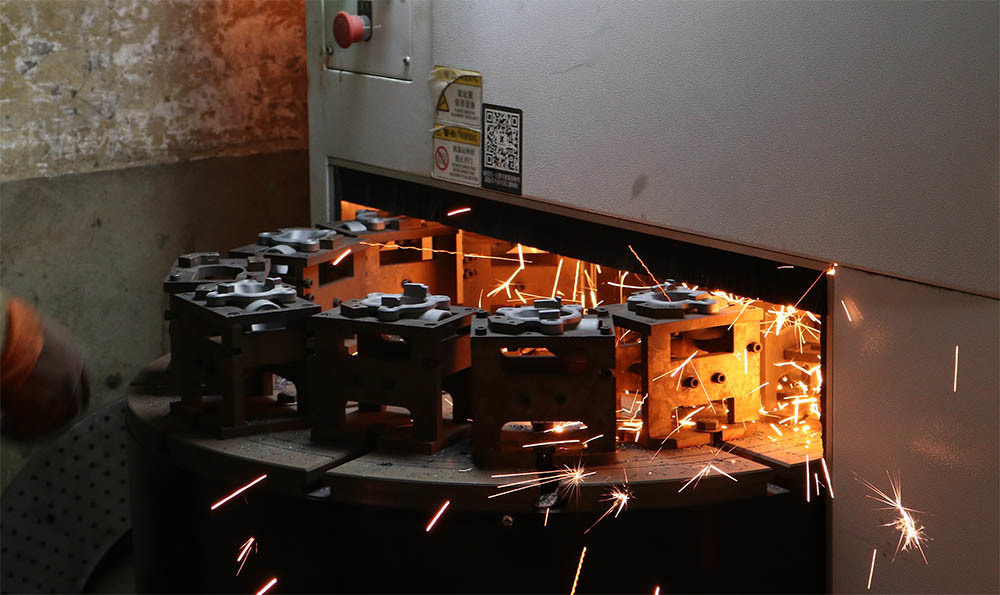
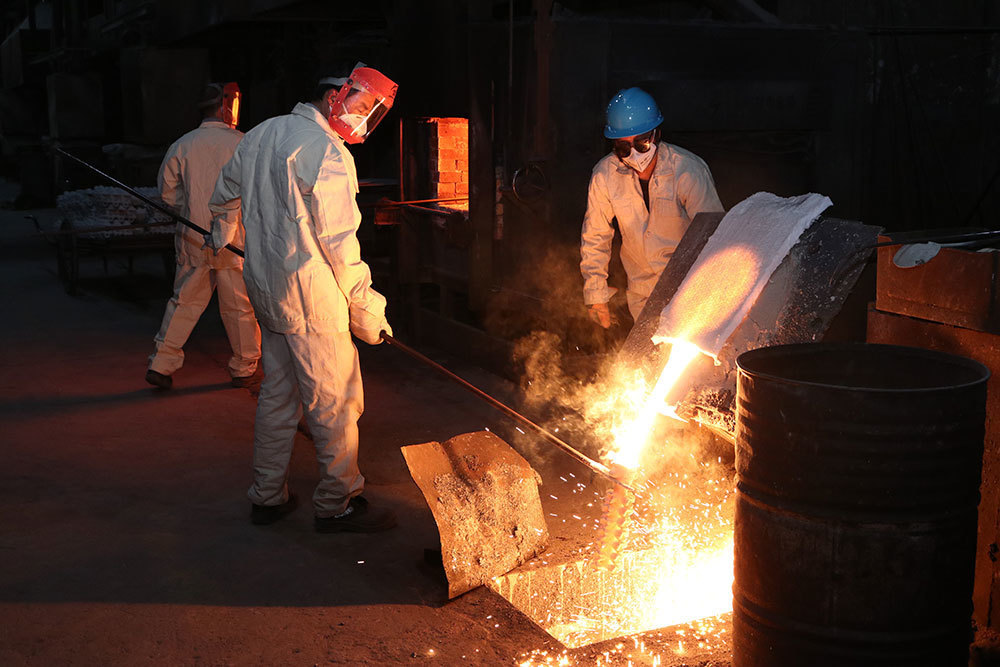
Based at www.tianye-casting.com, we have been a professional precision casting manufacturer for over 15 years, serving more than 200 global clients across 12 industries. We hold both ISO 9001:2015 and IATF 16949:2016 certifications, and our in-house inspection lab allows us to guarantee dimensional accuracy for every part we produce.
Actual testing from our 2026 internal data shows that our average mass production scrap rate is 0.2%, which is 70% lower than the global industry average of 0.67% reported by the World Foundry Organization. We also offer free DFM (Design for Manufacturing) analysis to help clients optimize their part design for lower cost and higher performance.
Our Material and Capability Overview
Below is a comparison of our most popular material options for precision components:
| Material Type | Common Applications | Maximum Tolerance | Minimum Batch Size |
|---|---|---|---|
| Aluminum Alloy | EV parts, aerospace structural components | ±0.01mm | 10 pieces |
| Stainless Steel | Medical devices, industrial valves | ±0.015mm | 5 pieces |
| Carbon Steel | Heavy machinery, construction parts | ±0.02mm | 20 pieces |
| Titanium Alloy | Aerospace turbine parts, medical implants | ±0.008mm | 1 piece |
Recent research from the 2026 International Foundry Conference shows that investment casting, the core process we use at Tianye, delivers 30% higher dimensional accuracy than traditional die casting for complex precision components.
Common Challenges When Working With Precision Components Manufacturers
Q: Why do many precision component projects fail tolerance checks?
A: From our experience working with clients who switched from other manufacturers, the top causes are outdated production equipment and lack of in-process quality inspection. Industry data shows that 80% of tolerance errors can be prevented with 2-3 intermediate inspection steps during production, which we implement for all projects regardless of size.
Q: Can precision components manufacturers handle small batch orders?
A: Many top manufacturers, including Ningbo Tianye, accept small batch and even single prototype orders. This is a critical service for product development teams that need to test new designs before scaling to mass production. We accept orders as small as 1 piece for custom titanium components, per our capability table above.
Top Trends for Precision Components Manufacturers in 2026
Key Industry Shifts This Year
2026 industry data shows that two major trends are shaping the market: growing demand for lightweight precision components for electric vehicles, and increased adoption of automated inspection to reduce human error. At Tianye, we invested in new automated 3D inspection equipment in 2025, which reduces inspection time by 50% while improving accuracy compared to manual inspection.
Frequently Asked Questions
Q: How much does it cost to work with a Chinese precision components manufacturer?
A: Costs vary based on material, part complexity, tolerance requirements, and batch size. On average, Chinese precision components manufacturers offer 30-40% lower total cost than North American or European providers while meeting the same international quality standards.
Q: What is the typical lead time for custom precision components?
A: For standard custom orders, lead time ranges from 2 to 4 weeks after design confirmation. At Ningbo Tianye Precision Casting, urgent prototype orders can be completed in as little as 5-7 working days for qualified clients.
Q: Do precision components manufacturers offer prototyping services?
A: Most top precision components manufacturers offer both prototyping and mass production services. Prototyping allows you to validate design and performance before full-scale production, reducing overall project risk and long-term costs.
Q: Does Ningbo Tianye ship precision components globally?
A: Yes, we ship custom precision components to clients all over the world, with established logistics partnerships to ensure on-time delivery and clear customs documentation for all international orders.
This article was generated by AI and is for reference only.
2024-01-20

2024-01-20
2188 Jiulong Avenue, Zhenhai, Ningbo, China
86-0574-86530988
sales@tianyecasting.com
