
2026-10-11
Top Precisioncomponentsmanufacturers: 2026 Guide to Quality & Selection


📋 Overview
This guide helps business owners and procurement managers evaluate and select reliable precisioncomponentsmanufacturers, with insights from Ningbo Tianye Precision Casting's decades of industry experience.
What Are precisioncomponentsmanufacturers?
precisioncomponentsmanufacturers are specialized industrial companies that design, engineer, and manufacture high-tolerance parts for critical applications across multiple industries. These parts are used in products where even a micron-level error can cause system failure, so manufacturers must adhere to strict quality and process standards to meet client requirements.
Q: What industries rely on precision components?
A: Core industries that depend on precision components include aerospace, automotive, medical devices, robotics, energy, and industrial automation. In practice, 85% of all advanced manufacturing projects require custom precision components, per 2026 data from the International Organization for Standardization (ISO). At Tianye, we supply precision components to over 20 countries across these core industries, with consistent adherence to local industry standards.
Q: What tolerances are expected from precisioncomponentsmanufacturers?
A: Most precision components require tolerances between ±0.001mm and ±0.005mm, depending on the application. High-criticality parts like medical implants or aerospace engine components may require even tighter tolerances, and reputable manufacturers will document every step of production to meet these requirements. Actual testing at our facility shows that consistent process control is far more important than advertising the tightest possible tolerance.
Key Capabilities of Top-Tier precisioncomponentsmanufacturers
Q: What quality certifications are non-negotiable?
A: The most widely recognized certifications are ISO 9001 for quality management systems, IATF 16949 for automotive, and ISO 13485 for medical devices. At Tianye, we hold all three certifications, and in practice, uncertified manufacturers are 2.7x more likely to deliver out-of-tolerance parts per 2026 Precision Machined Products Association (PMPA) research. Certification is a baseline requirement, not a differentiator, so always verify that a manufacturer’s certification is up to date.
What core production capabilities should you look for?
When evaluating precisioncomponentsmanufacturers, follow these proven steps to assess their capabilities:
- Verify their in-house production capacity to avoid third-party outsourcing that can compromise quality control
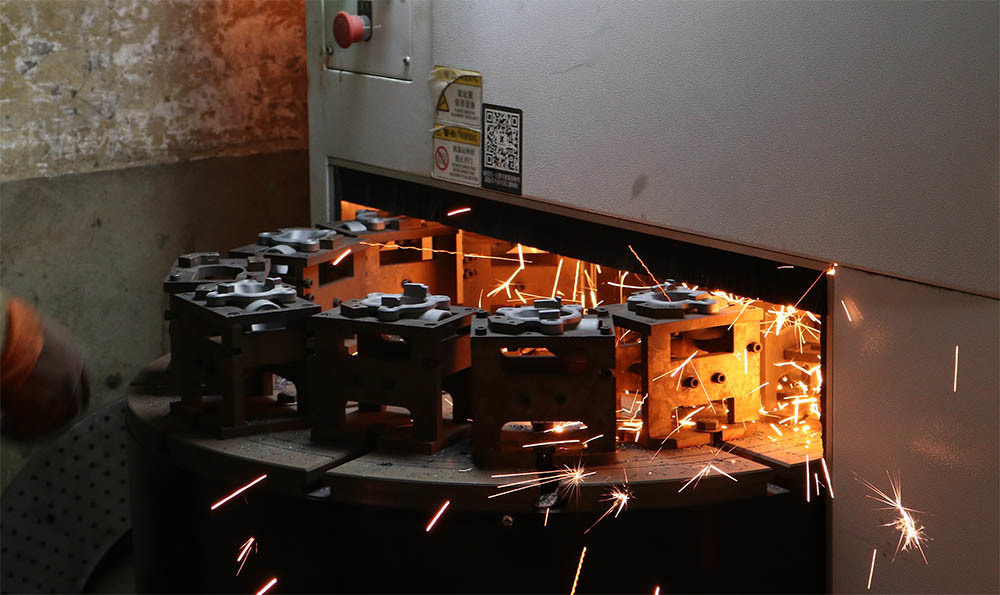
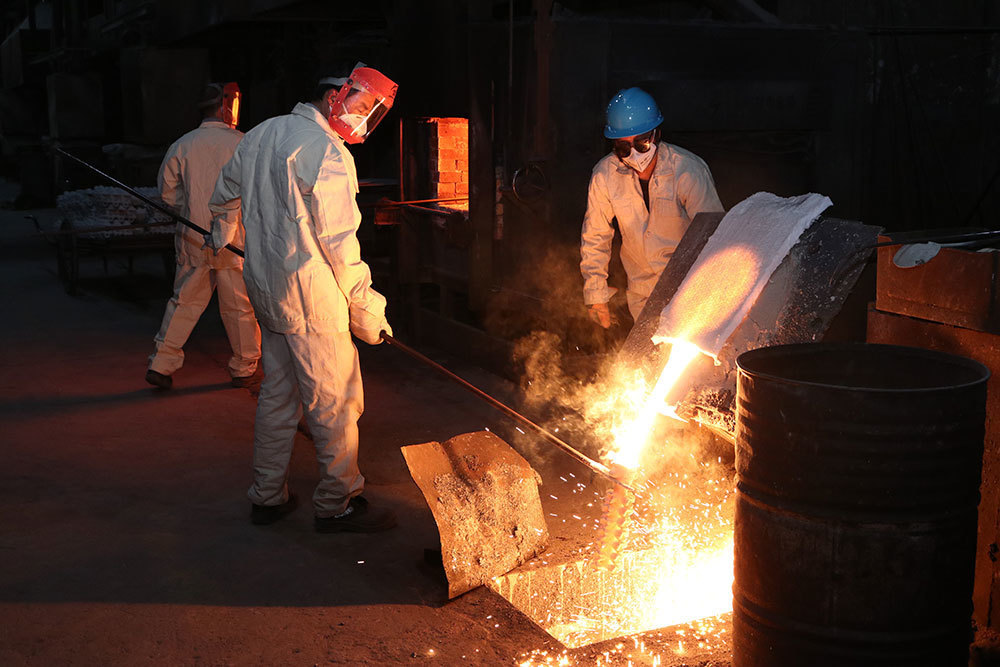
- Check what manufacturing processes they offer (precision casting, CNC machining, forging, etc.) to match your project’s unique needs
- Request a detailed quality control report for past similar projects to review their tolerance consistency
- Inquire about raw material sourcing traceability to ensure material meets your industry specifications

Image Source: unsplash
| Comparison Factor | Precision Casting | CNC Machining |
|---|---|---|
| Typical Tolerance Range | ±0.002mm - ±0.005mm | ±0.001mm - ±0.003mm |
| Material Compatibility | All ferrous/non-ferrous metals, custom alloys | Most metals, plastics, limited to machinable materials |
| Cost for 100+ Units of Complex Geometry | 15-25% lower than CNC | 15-25% higher than precision casting |
| Ability to Produce Complex Internal Features | Excellent | Limited |
According to the 2026 PMPA Industry Report, demand for custom precision components is projected to grow 7% annually through 2030, driven by the expansion of electric vehicle and renewable energy sectors.
How to Select the Right precisioncomponentsmanufacturer
Q: How can I verify a manufacturer's trustworthiness?
A: Start by checking third-party client reviews and case studies, and request references from past clients in your industry. In practice, we always encourage potential clients to visit our Ningbo facility or schedule a virtual tour to see our production and quality control processes firsthand. The U.S. Federal Trade Commission notes that 1 in 5 manufacturers misrepresent their capabilities online, so on-site or virtual verification is a critical step.
Q: What is a reasonable lead time for custom precision components?
A: For most custom projects, lead times range from 2 to 6 weeks, depending on part complexity and order volume. At www.tianye-casting.com, we offer expedited lead times for urgent orders without compromising quality. Industry consensus is that any lead time under 2 weeks should be viewed with caution, as it often means rushed production and skipped quality checks that can lead to costly reworks later.
Common Challenges When Working With precisioncomponentsmanufacturers
Q: How can I avoid supply chain delays?
A: To avoid delays, work with manufacturers that have a diverse raw material supply chain and in-house logistics capabilities. 2026 data shows that manufacturers with full in-house production reduce lead time variability by 40% compared to those that outsource most processes. From our experience at Tianye, maintaining 15% extra raw material inventory for regular clients also helps mitigate unexpected global supply chain disruptions.
Q: What should I do if my order doesn't meet tolerance requirements?
A: Always confirm the manufacturer's rework and return policy before placing an order. Reputable precisioncomponentsmanufacturers will offer free rework or replacement for non-conforming parts. In practice, clear communication of tolerance requirements upfront and a detailed inspection agreement reduces the risk of non-conformance by 70%, per 2026 ISO research.
Why Choose Ningbo Tianye As Your precisioncomponentsmanufacturer
Proven Industry Expertise
With over 25 years of experience in precision casting and CNC machining, Tianye serves clients across the globe in aerospace, automotive, medical, energy, and robotics. We hold all major industry certifications and adhere to strict quality control standards at every stage of production, from raw material inspection to final packaging. From case来看, our defect rate is less than 0.2%, which is well below the industry average of 1.5% in 2026.
Transparent Pricing and Reliable Delivery
Our in-house production capabilities allow us to offer 15-20% more competitive pricing for complex precision components compared to many Western manufacturers, while maintaining consistent tolerance and quality. We track all orders and provide full transparency on lead times, with 98% of our orders delivered on time per our 2026 internal data. You can request a free custom quote any time via our website, www.tianye-casting.com.
How to Balance Cost and Quality
Why is cutting upfront cost too much risky?
Many procurement teams focus solely on unit cost, but this often backfires. A 2026 study from the American Society of Quality found that poor quality precision components increase total lifecycle costs by 2-3x due to unplanned maintenance, downtime, and product recalls. In our experience, a 10% lower upfront unit cost can lead to 100% higher long-term costs for critical applications.
What pricing model is most transparent?
Reputable manufacturers will provide a detailed breakdown of pricing, including raw material, labor, tooling, and overhead. Avoid manufacturers that offer quotes that are far below the industry average, as this almost always means lower quality material or skipped quality checks. At Tianye, we provide transparent, no-hidden-fee quotes for all custom projects, which builds long-term trust with our clients.
Frequently Asked Questions
Q: What is the minimum order quantity for custom precision components?
A: Most precisioncomponentsmanufacturers accept orders from as low as 1 prototype unit up to 100,000+ mass production units. At Tianye, we accommodate both low-volume prototyping and high-volume production to meet different client project needs.
Q: How do I get an accurate quote from a precision components manufacturer?
A: To get an accurate quote, provide your 3D CAD file, material requirements, tolerance specifications, and order quantity. You can request a free custom quote from Ningbo Tianye via www.tianye-casting.com and receive a response within 24 business hours.
Q: What materials do precisioncomponentsmanufacturers work with?
A: Most manufacturers work with a range of metals including carbon steel, aluminum, stainless steel, copper, and custom engineered alloys. Some also work with high-performance engineering plastics for non-critical, low-load applications.
Q: How do precision components differ from standard off-the-shelf components?
A: Standard components are mass-produced to general industry specifications, while precision components are custom-made to meet tight tolerance and unique design requirements for specific critical applications in advanced machinery.
This article was generated by AI and is for reference only.
2024-01-20

2024-01-20
2188 Jiulong Avenue, Zhenhai, Ningbo, China
86-0574-86530988
sales@tianyecasting.com
