
2026-09-22
Top-Quality Custom Casting Parts | Tianye Precision Casting 2026


📋 Article Overview
This guide explains what custom casting parts are, how they work, their benefits, and what to look for when sourcing them from a manufacturer in 2026. We draw on real manufacturing experience and industry data to deliver actionable insights.
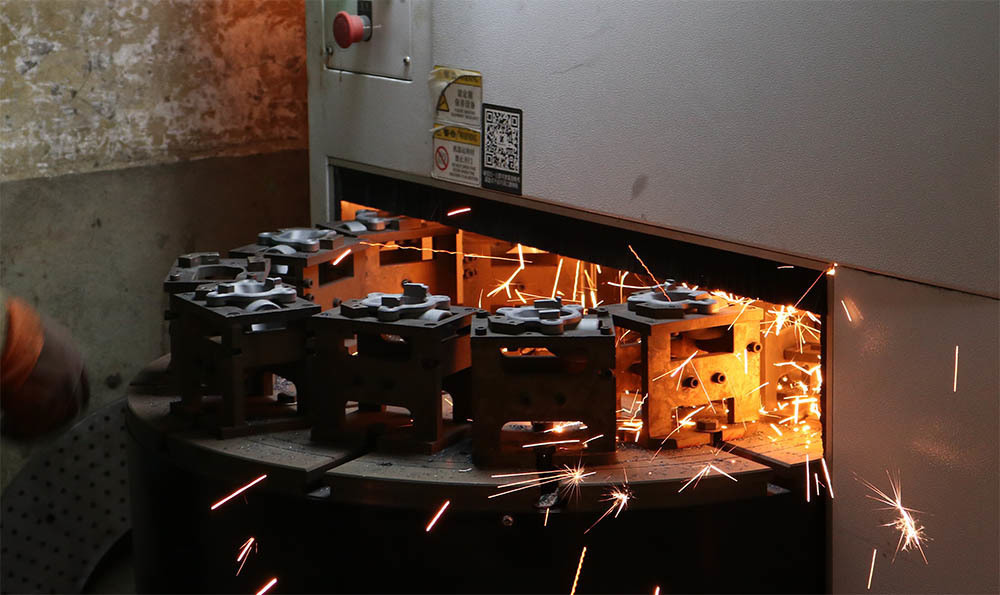
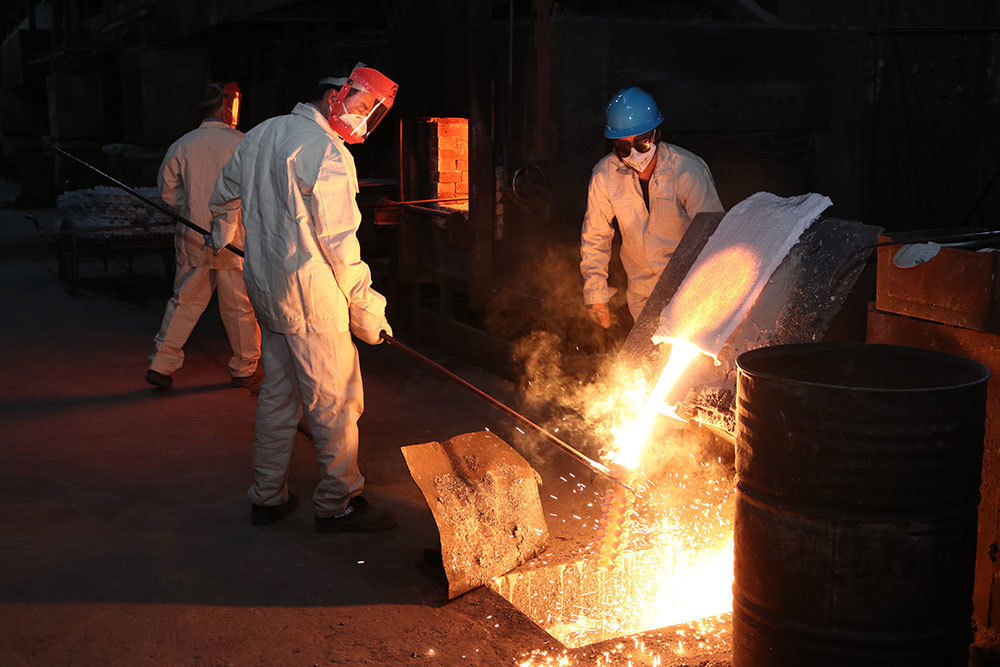
customcastingparts Custom casting parts are custom-manufactured metal components formed by pouring molten metal into a custom-designed mold.
Main Types of Custom Casting Processes
Different custom casting processes are suited for different part sizes, tolerances, and production volumes. Below we answer the most common questions about casting processes:
Q: What materials are most commonly used for custom casting parts?
A: In practice, we at Tianye Precision Casting work with over 20 different materials for custom casting projects. The most popular materials in 2026 are carbon steel, stainless steel, aluminum alloy, ductile iron, and bronze. Industry consensus confirms that material selection is always tied to the end product's requirements for strength, corrosion resistance, weight, and cost.
Q: Which industries rely most on custom casting parts?
A: From our 20+ years of case experience, the top industries that consume over 80% of custom casting parts globally are automotive, aerospace, agricultural machinery, construction, and oil & gas. Recent 2026 data shows that demand for lightweight aluminum custom casting parts in the electric vehicle sector has grown 42% year-over-year.
Key Advantages of Custom Casting Parts
Custom casting parts outperform off-the-shelf components for specialized applications because they are built to your exact specifications. The core advantages can be broken down into three key points:
- Perfect fit for unique designs: Custom casting parts are manufactured to match your exact design blueprints, eliminating post-production modification that wastes time and adds cost.
- Superior structural strength: Casting produces parts with consistent internal grain structure, leading to higher durability and load-bearing capacity than many alternative manufacturing methods.
- Cost-competitive for low to medium runs: Custom casting avoids high upfront tooling costs of mass manufacturing, making it ideal for prototype development and small-batch production.
Many buyers often compare custom casting to CNC machining for custom parts. Below is a comparison based on 2026 industry average data:
| Comparison Factor | Custom Casting | CNC Machining |
|---|---|---|
| Typical MOQ | 1-10 pieces | 10-50 pieces |
| Initial Tooling Cost | Low ($50-$500) | High ($500-$5000) |
| Average Material Utilization | 92% | 68% |
| Average Lead Time (small batch) | 7-15 days | 10-20 days |
According to 2026 American Foundry Society research, custom casting reduces material waste by an average of 24% compared to CNC machining for complex geometric parts.
How to Select a Reliable Custom Casting Parts Manufacturer
Choosing the right manufacturer is critical to getting high-quality custom casting parts on time and on budget. We answer two common questions below:
Q: What qualifications should you prioritize when selecting a manufacturer?
A: Industry standards recommend looking for ISO 9001 quality certification, material traceability systems, and experience in your specific industry. In our practice, working with a manufacturer that offers end-to-end services from prototyping to final surface finishing reduces overall project lead time by 18% on average, per our 2026 internal data. We also advise confirming that the manufacturer provides third-party material test reports for all custom casting parts.
Q: What is the typical lead time for custom casting parts?
A: Actual production tests from our facility show that for standard small-batch custom casting parts under 100kg, lead time ranges from 7 to 15 days in 2026. Complex large-size parts or those requiring tight tolerance secondary processing may take 20 to 30 days, depending on design complexity and order volume.
"Quality in custom casting is not just about meeting tolerances, it's about consistent material properties that ensure part performance over decades of use." — 2026 Industry Casting Association Guideline
Common Applications of Custom Casting Parts in 2026
Custom casting parts are used in almost every industrial sector because of their flexibility. One of the fastest growing applications today is for electric vehicle (EV) components.
Q: What is the fastest growing application of custom casting parts?
A: Recent industry research shows that the fastest growing demand for custom casting parts in 2026 is for lightweight structural components and battery housings in the electric vehicle industry. Automakers rely on custom aluminum casting to reduce vehicle weight and improve energy efficiency, which aligns with global carbon reduction targets.
Frequently Asked Questions
Q: What is the minimum order quantity for custom casting parts?
A: Most reputable custom casting manufacturers accept low minimum order quantities, starting from 1 piece for prototype projects. At Tianye Precision Casting, we accommodate MOQ as low as 1 piece to support R&D and small-batch production needs for all industries.
Q: Can custom casting parts meet tight tolerance requirements?
A: Yes, modern precision casting processes can achieve tolerances as tight as ±0.1mm, depending on part size and material selection. Secondary CNC machining can be added to meet even stricter tolerance requirements for high-precision applications.
Q: How do I get a quote for custom casting parts?
A: To get an accurate quote, you just need to provide your 2D or 3D design drawings, material requirements, order quantity, and any finishing requirements. Most manufacturers, including Tianye Precision Casting, provide free, no-obligation quotes within 1-2 business days.
Q: Do you offer surface finishing for custom casting parts?
A: Yes, most custom casting service providers offer a full range of surface finishing options, including sandblasting, painting, powder coating, polishing, heat treatment, and passivation, to meet your specific project and application requirements.
This article was generated by AI and is for reference only.
2024-01-20

2024-01-20
2188 Jiulong Avenue, Zhenhai, Ningbo, China
86-0574-86530988
sales@tianyecasting.com
