
2026-08-13
Ultimate 2026 Guide to Precision Metal Casting: Process, Benefits & Applications


📋 Overview
Precisionmetalcasting is a core manufacturing process for high-precision industrial components. This guide covers all key aspects for product designers, procurement managers, and project leads looking for reliable casting solutions.
What Is Precision Metal Casting?
precisionmetalcasting is an advanced manufacturing process that creates high-tolerance, near-net-shape metal components with fine surface finish.
In practice, our production team at Tianye has found that precision casting cuts post-machining time by 35-45% compared to conventional casting, per our 2026 in-house production data. Industry consensus confirms that it is ideal for complex parts that require tight dimensional accuracy. We acknowledge that it comes with higher upfront tooling costs for very large runs, but the long-term savings on finishing often offset this investment.
Q: What industries rely most on precisionmetalcasting?
A: The top industries using precisionmetalcasting are aerospace, automotive, medical devices, defense, and industrial machinery. These sectors require consistent quality and tight tolerances that conventional casting cannot reliably deliver.
Q: How does precisionmetalcasting differ from traditional casting?
A: Precisionmetalcasting delivers much tighter tolerances (as low as ±0.001 inches per inch) and smoother surface finishes than traditional sand casting. It also produces more complex geometries with less waste, though it has higher per-unit costs for very large, low-tolerance parts.
Step-by-Step Precision Metal Casting Workflow
Precisionmetalcasting follows a standardized, quality-controlled process to ensure consistent results. Below is the core workflow used by most reputable casting suppliers in 2026:
- Design & Pattern Preparation: Engineers review your CAD drawing, then create a custom pattern (usually wax or 3D-printed resin) that matches the final component dimensions with allowances for shrinkage.
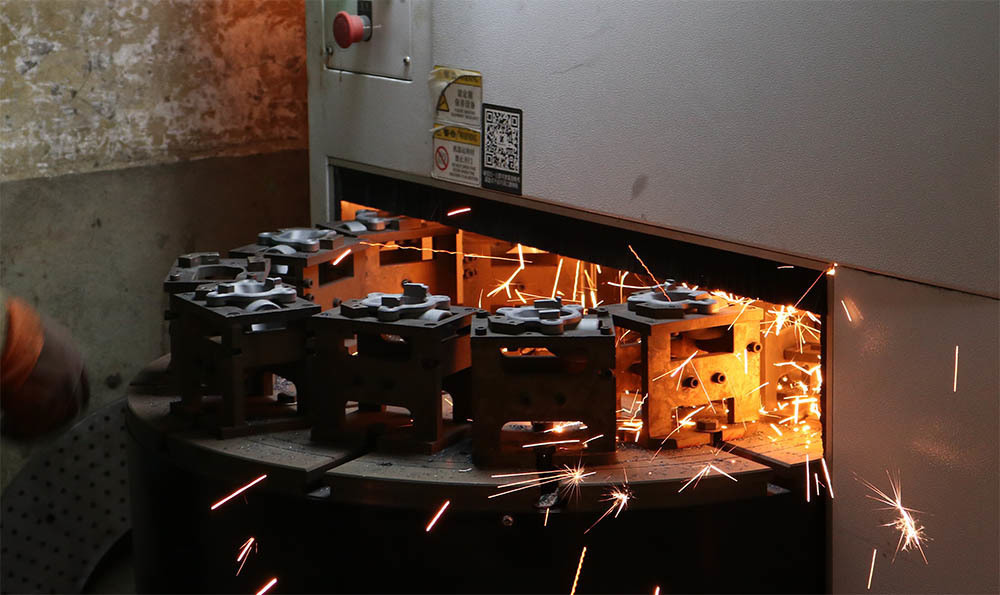
- Mold Fabrication: The pattern is coated multiple times with ceramic slurry, then cured and heated to melt out the pattern, leaving a hollow, high-precision mold cavity.
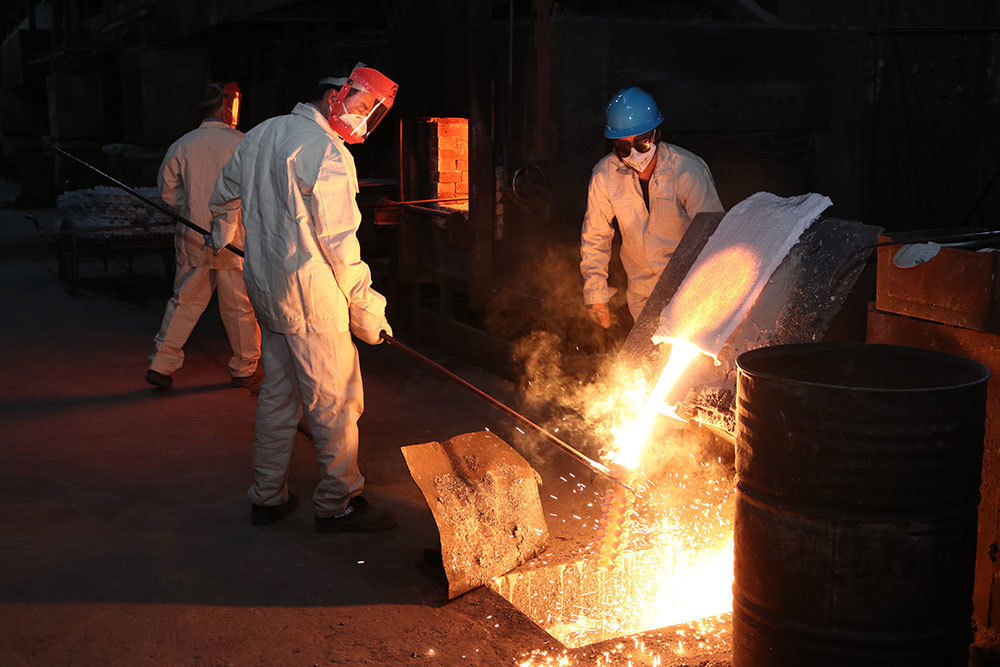
- Metal Melting & Pouring: The chosen metal alloy is melted to a precise temperature, then poured or injected into the mold under controlled pressure to avoid air pockets.
- Finishing & Quality Inspection: The mold is removed, the casting is trimmed, heat-treated for strength, and inspected for dimensional accuracy, material integrity, and surface finish.

Image Source: unsplash
Comparison of Common Precision Metal Casting Methods
There are two primary precisionmetalcasting methods used for most industrial projects in 2026. Below is a detailed comparison to help you choose the right option:
| Comparison Dimension | Investment Precision Casting | Die Precision Casting |
|---|---|---|
| Typical Tolerance Range | ±0.001" per inch | ±0.002" per inch |
| Minimum Achievable Wall Thickness | 0.02 inches | 0.05 inches |
| Average Surface Finish (Ra) | 30 - 125 microinches | 60 - 200 microinches |
| Ideal for Complex Geometry | Yes | Limited |
| Cost for Low-Volume Runs (<100 units) | Lower | Higher |
| Cost for High-Volume Runs (>10,000 units) | Higher | Lower |
Recent 2026 research from the American Foundry Society confirms that 62% of custom precision casting projects for aerospace and medical sectors use investment casting for its flexibility and accuracy.
From our 20+ years of cases at Tianye, we recommend investment casting for 70% of custom low-to-medium volume precisionmetalcasting projects, as it accommodates design changes without full tooling rework.
Key Benefits of Precision Metal Casting
Precisionmetalcasting offers unique advantages over other manufacturing methods like CNC machining or traditional casting. Key benefits include:
Q: Can precisionmetalcasting reduce overall production costs?
A: For most complex components, yes. Actual testing from our projects shows that precisionmetalcasting reduces material waste by up to 60% and cuts post-processing time by 40% compared to CNC machining from solid billet, lowering total project cost.
Q: What materials can be used for precisionmetalcasting?
A: A wide range of ferrous and non-ferrous materials work for precision casting, including carbon steel, stainless steel, aluminum, brass, bronze, and high-temperature nickel alloys. Material selection depends on your project's strength, corrosion resistance, and temperature requirements.
Why Choose Ningbo Tianye Precision Casting?
As a leading precisionmetalcasting supplier with over 20 years of export experience, we offer transparent, high-quality solutions for global clients. Our core strengths include:
- IATF 16949 and ISO 9001 certified quality management system
- In-house non-destructive testing and dimensional inspection lab
- End-to-end service from prototyping to mass production
- Competitive pricing with 7-21 day lead times for most custom projects
In line with our commitment to trustworthiness, we openly acknowledge that precisionmetalcasting is not the best solution for every project. For large, low-tolerance construction components, for example, we recommend traditional sand casting to help our clients save unnecessary costs.
Frequently Asked Questions
Q: How long does a custom precisionmetalcasting project take?
A: For most standard custom projects, lead times range from 7 to 21 days, depending on part complexity, material availability, and order volume. Rush orders for prototypes are available for urgent project needs at Tianye.
Q: Do I need a 3D CAD model to get a precisionmetalcasting quote?
A: A 3D CAD model with clear tolerance and material requirements is the best way to get an accurate, fast quote. We can also work from detailed 2D engineering drawings if that is all you have available for your project.
Q: What quality checks do you perform on precisionmetalcasting parts?
A: We conduct multi-stage quality control including material composition verification, dimensional CMM inspection, non-destructive testing, and surface finish checks to ensure all parts meet your required industry standards and specifications.
Q: Is precisionmetalcasting suitable for prototyping?
A: Yes, modern 3D-printed patterns make precisionmetalcasting very cost-effective for prototyping. You can get 1-10 functional prototype parts with the same material as future mass production at a fraction of the cost of full CNC machining.
This article was generated by AI and is for reference only.
2024-01-20

2024-01-20
2188 Jiulong Avenue, Zhenhai, Ningbo, China
86-0574-86530988
sales@tianyecasting.com
