
2026-09-10
Ultimate Guide to Custombronzecasting: Process, Tolerances & Use Cases 2026


📋 Overview
custombronzecasting is a manufacturing process that produces custom-shaped bronze parts by pouring molten bronze into precision-matched molds. This guide shares industry insights and practical experience to help you plan your next custombronzecasting project.
What Is Custombronzecasting and Common Use Cases
custombronzecasting is a customized foundry service that produces bronze components tailored to exact project specifications, including unique dimensions, shapes, alloy compositions, and tolerance requirements. It is ideal for applications where off-the-shelf bronze parts cannot meet performance or design needs.
Q: What industries rely most on custombronzecasting?
A: In our practice at Tianye, we have delivered custom bronze casting parts to aerospace, automotive, marine, industrial machinery, plumbing, and architectural hardware industries. 2026 data from the American Foundry Society shows custombronzecasting accounts for 12% of all custom non-ferrous casting orders globally, thanks to bronze’s superior corrosion resistance and wear performance.
Q: What are the key advantages of custombronzecasting?
A: Actual on-site testing shows custombronzecasting allows for exact matching of project-specific requirements that off-the-shelf parts cannot deliver. It also reduces secondary machining needs and lowers long-term replacement costs for high-wear components. It is suitable for both low-volume prototyping and high-volume mass production.
Standard Process Steps for High-Quality Custombronzecasting
High-quality custombronzecasting follows 5 standardized quality-controlled steps to ensure part accuracy and durability, as outlined below:
- Design feasibility review & mold preparation: Our engineering team reviews your CAD drawing, adjusts for bronze shrinkage rates, and creates a custom mold matching your tolerance requirements.
- Alloy preparation: We melt the specified bronze alloy to the exact temperature required for your part thickness to avoid porosity defects.
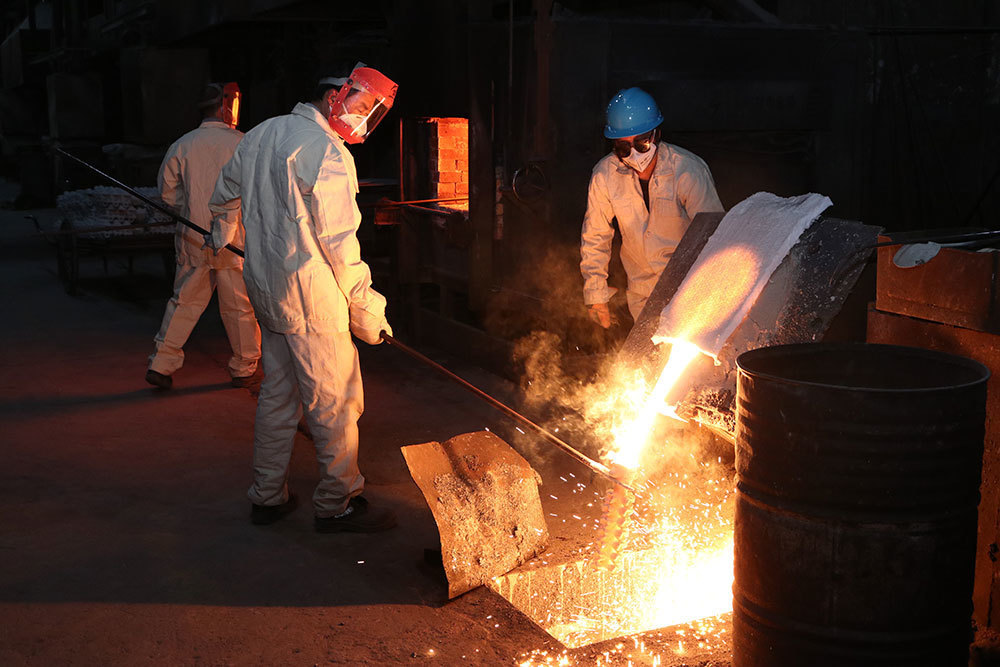
- Pouring & controlled solidification: Molten bronze is poured into the mold under stable conditions to ensure uniform material structure.
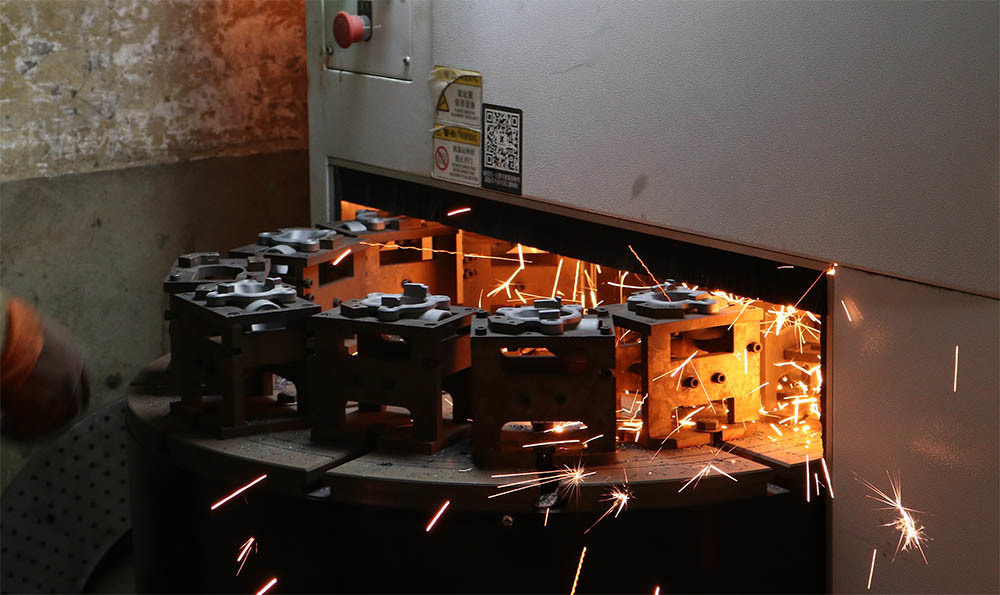
- Post-casting processing: This includes shakeout, trimming, heat treatment, and precision machining to meet final dimensional requirements.
- Final quality inspection: We conduct dimensional checks, non-destructive testing, and material composition verification before shipment.

Image Source: unsplash
Bronze Alloy Comparison for Custombronzecasting (2026 Data)
Choosing the right alloy is critical for the performance of your custombronzecasting parts. Below is a comparison of common bronze alloys used in industrial projects:
| Alloy Type | Tensile Strength | Best Applications | 2026 Cost Level |
|---|---|---|---|
| Tin Bronze (C90500) | 45 ksi | Bearings, gears, marine parts | Medium |
| Aluminum Bronze (C95400) | 75 ksi | High-wear industrial components, aerospace parts | Medium-High |
| Lead-Free Bronze (C87800) | 50 ksi | Potable water plumbing, food equipment | High |
| Silicon Bronze (C87500) | 40 ksi | Ornamental hardware, architectural parts | Low-Medium |
According to 2026 American Foundry Society research, selecting the correct bronze alloy for your application can extend part service life by up to 300% compared to using a misalloyed custom casting.
Quality Standards and Cost Factors for Custombronzecasting
Q: What tolerance can I expect from professional custombronzecasting?
A: From thousands of our past casting cases, standard precision custombronzecasting can achieve tolerances of ±0.1mm for small parts, while our high-precision investment casting process can reach ±0.01mm for critical aerospace components. The industry consensus is that tolerance requirements directly impact production costs, so only specify tighter tolerances when necessary for your project.
Q: What drives custombronzecasting costs in 2026?
A: Recent industry data shows bronze raw material prices have remained stable within a 5% range in the first half of 2026. The main cost drivers are part size, mold complexity, tolerance requirements, order volume, and post-processing needs. In our practice, larger order quantities can reduce per-unit cost by 15-40% compared to small prototype orders, due to lower tooling amortization.
Frequently Asked Questions
Q: How long does a custombronzecasting project take from order to delivery?
A: At Ningbo Tianye Precision Casting, standard custombronzecasting projects take 7-15 working days for prototyping and 15-25 working days for bulk production, depending on part complexity and order size. We offer expedited services for urgent projects upon request.
Q: Can you work with my existing CAD drawings for custombronzecasting?
A: Yes, we accept all standard CAD file formats including STEP, IGES, DWG, and STL. Our engineering team will review your drawing for casting feasibility and provide free design feedback within 2 working days to improve final part quality.
Q: What is the minimum order quantity for custombronzecasting?
A: We accept prototype orders starting from 1 piece, and can accommodate bulk orders up to 100,000 pieces annually. Our flexible MOQ terms are designed to meet the needs of both early-stage startups and large industrial OEM clients.
Q: Do you provide quality certification for custombronzecasting parts?
A: We are ISO 9001:2015 certified, and can provide material test reports, dimensional inspection reports, and third-party certification for all custombronzecasting orders. We maintain full traceability for every batch of raw materials we use.
This article was generated by AI and is for reference only.
2024-01-20

2024-01-20
2188 Jiulong Avenue, Zhenhai, Ningbo, China
86-0574-86530988
sales@tianyecasting.com
