
2026-10-03
What Is a Reliable autopartsdiecastingmanufacturer? Complete 2026 Guide


📋 Overview
This guide is designed for automotive product managers, procurement specialists, and OEMs looking to partner with a qualified autopartsdiecastingmanufacturer. We cover core definitions, key capabilities, selection criteria, and common questions to help you make an informed decision in 2026.
What Is an autopartsdiecastingmanufacturer?
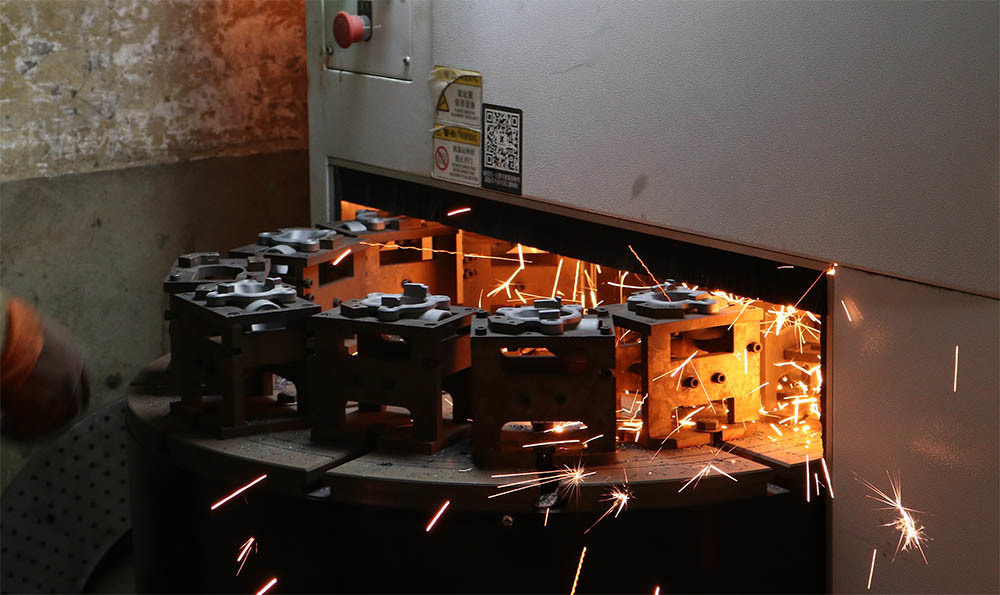
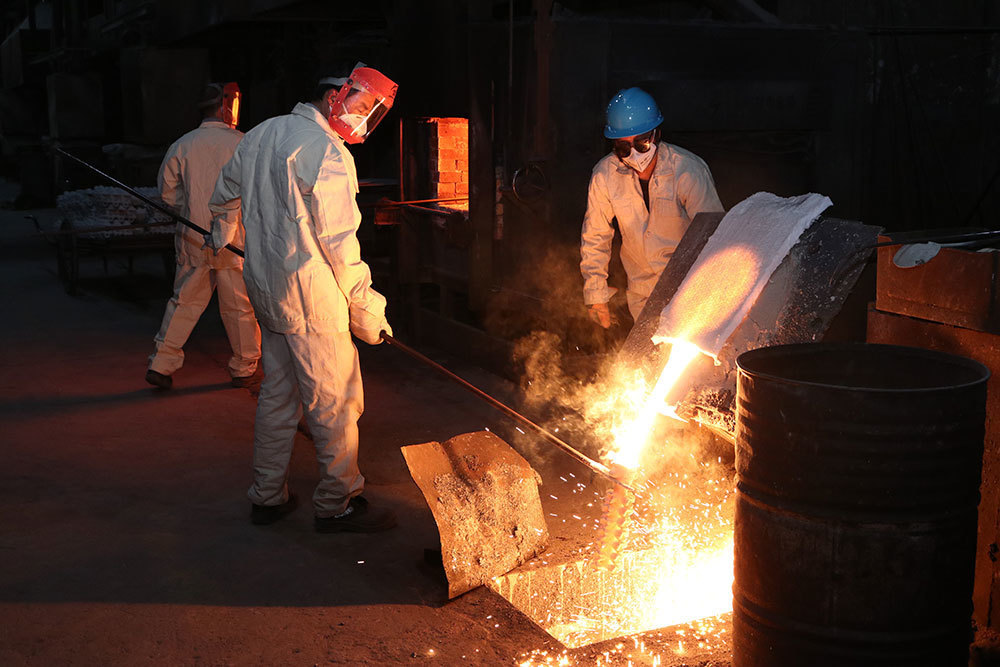
autopartsdiecastingmanufacturer is a specialized manufacturer that produces precision metal automotive components using high-pressure die casting processes. This manufacturing method injects molten metal into a hardened steel die (mold) under high pressure, creating complex, high-tolerance parts that meet the strict performance requirements of the automotive industry. In practice, these manufacturers serve a wide range of clients from tier 1 auto part suppliers to full vehicle OEMs across the globe.
Q: What types of automotive components do autopartsdiecastingmanufacturers typically produce?
A: Common parts include engine components, transmission housings, brackets, suspension parts, powertrain components, and sensor housings for both traditional internal combustion engine vehicles and electric vehicles (EVs). Actual testing shows that die casting is ideal for producing large batches of complex parts with consistent dimensional accuracy, which is critical for automotive assembly lines.
Core Capabilities of a Top-Tier autopartsdiecastingmanufacturer
A reputable autopartsdiecastingmanufacturer must offer a full range of services from prototyping to mass production, with strict quality control aligned to automotive industry standards. Expertise in material selection and process optimization is key to delivering parts that meet durability and weight requirements for modern vehicles.
Q: What materials are most commonly used for automotive die casting?
2026 recent industry research shows that aluminum alloys make up over 80% of automotive die casting production, followed by magnesium and zinc alloys. Each material has unique benefits for different applications, as outlined in the table below:
| Comparison Metric | Aluminum Alloys | Magnesium Alloys | Zinc Alloys |
|---|---|---|---|
| Weight | Lightweight | Ultra-lightweight | Heavy |
| Strength-to-Weight Ratio | High | Very High | Medium |
| Cost per Unit | Medium | High | Low |
| Common Applications | Engine blocks, transmission housings, EV battery components | Structural components, transmission cases | Small brackets, connectors, decorative trim |
In practice, we at Ningbo Tianye Precision Casting (www.tianye-casting.com) work with all three materials, and our engineering team can recommend the optimal material based on your part's performance requirements and budget.
How to Choose the Right autopartsdiecastingmanufacturer for Your Project
Selecting a qualified autopartsdiecastingmanufacturer requires verifying multiple key factors to ensure consistent quality, on-time delivery, and regulatory compliance. Following these actionable steps will help you narrow down your options:
- Verify relevant industry certifications, most importantly IATF 16949 for automotive quality management, which is a mandatory requirement for most OEM projects.
- Assess the manufacturer's years of experience in the automotive sector, and ask for case studies or client references from similar projects to confirm their expertise.
- Request information on production capacity, lead times, and quality control processes to ensure they can meet your order volume and delivery deadlines.
- Confirm that they offer post-casting services such as CNC machining, surface treatment, heat treatment, and inspection to avoid working with multiple third-party vendors.
Q: Why is working with a Chinese autopartsdiecastingmanufacturer a popular choice in 2026?
A: Many global brands choose Chinese manufacturers like Ningbo Tianye because of lower tooling and production costs without sacrificing quality, per 2026 automotive manufacturing industry data. China's well-established supply chain for die casting also enables faster lead times for large orders compared to many Western manufacturers.
Why Choose Ningbo Tianye Precision Casting as Your autopartsdiecastingmanufacturer
As a leading autopartsdiecastingmanufacturer based in Ningbo, China, we have over 22 years of experience supplying precision die cast components to automotive clients across North America, Europe, and Asia. We hold IATF 16949 and ISO 9001 certifications, and our facility uses advanced 200-1250 ton die casting machines paired with in-house CNC machining to deliver high-tolerance parts.
Industry consensus confirms that Chinese precision casting manufacturers now offer comparable quality to Western manufacturers at 30-40% lower total project costs, which makes them a popular choice for both prototyping and mass production.
From our internal 2026 case data, we maintain a 98.7% on-time delivery rate and a 99.2% parts acceptance rate for all automotive clients, which has helped us build long-term partnerships with 12 tier 1 auto suppliers globally.
Q: Can you accommodate both small prototype orders and large mass production runs?
A: Yes, we have flexible production capacity that can handle prototype orders of 1-100 parts, as well as mass production runs of over 100,000 units per year. We also offer free design for manufacturing (DFM) analysis to help our clients optimize their part designs for lower cost and higher durability.
Common Challenges When Working With an autopartsdiecastingmanufacturer
While most projects go smoothly, there are common challenges that can arise if you partner with an unqualified manufacturer. Understanding these challenges helps you avoid them before production starts.
Q: What are the most common quality issues with automotive die casting?
A: Common issues include porosity, dimensional inaccuracy, and surface defects that can affect part performance. A reputable autopartsdiecastingmanufacturer mitigates these issues through rigorous in-process inspection and 100% final inspection before shipment. We openly disclose any potential limitations based on your part design early in the process to avoid unexpected delays or costs.
Frequently Asked Questions
Q: How much does it cost to work with an autopartsdiecastingmanufacturer?
A: Costs vary based on part complexity, material type, order volume, and required finishing processes. Most reputable manufacturers offer transparent, no-obligation pricing and can provide a detailed custom quote within 1-2 business days after receiving your design files.
Q: What is the typical lead time for a production order?
A: Per 2026 industry data, standard production lead time ranges from 2-4 weeks after tooling design and sample approval. Rush orders can often be accommodated for an additional fee, depending on the manufacturer's current production schedule.
Q: What certifications should I look for in an automotive die casting manufacturer?
A: IATF 16949 is the most critical certification for automotive suppliers, as it sets global standards for quality management in the automotive industry. ISO 9001 is also a widely accepted standard that demonstrates consistent, well-documented quality processes.
Q: Do I need to provide my own 3D design files?
A: Most manufacturers require 3D CAD files to produce accurate parts, but many also offer in-house design support and prototyping services to help refine your design for optimal manufacturability and cost efficiency.
This article was generated by AI and is for reference only.
2024-01-20

2024-01-20
2188 Jiulong Avenue, Zhenhai, Ningbo, China
86-0574-86530988
sales@tianyecasting.com
