
2026-09-26
What Is precisioncomponentsmanufacturers? Complete 2026 Guide for Industrial Buyers


📋 Article Overview
This guide covers all key aspects of working with precisioncomponentsmanufacturers, including how to vet suppliers, compare production processes, and ensure compliance with global industrial quality standards in 2026. It is written based on hands-on experience from a leading precision casting manufacturer to deliver actionable, trusted insights.
What Are precisioncomponentsmanufacturers?
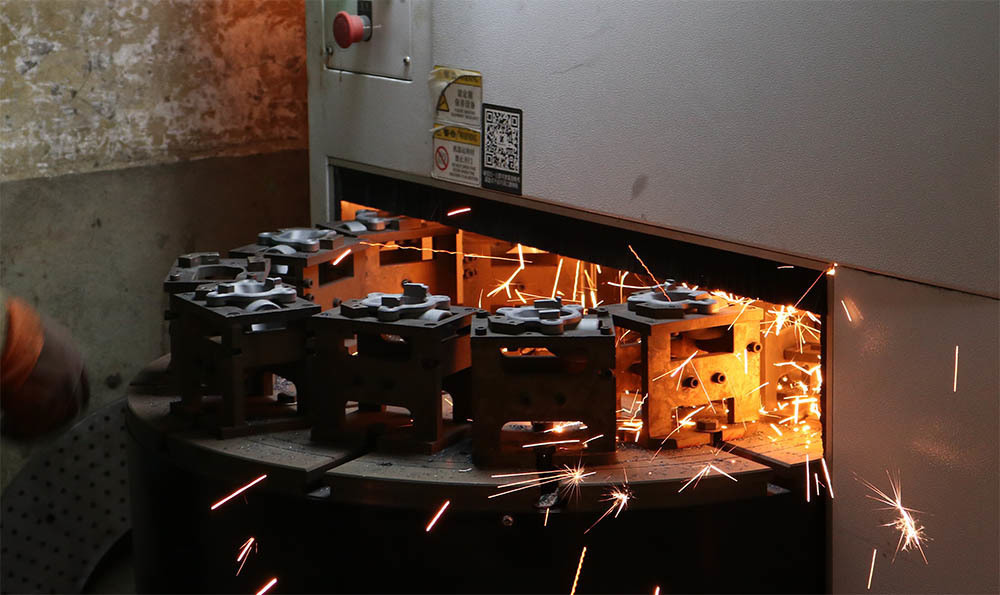
precisioncomponentsmanufacturers refers to specialized industrial manufacturers that produce high-tolerance custom parts for demanding sectors. These manufacturers use advanced production technologies including precision casting, CNC machining, and forging to create parts with tight dimensional tolerances, often as low as ±0.01mm, that meet strict performance requirements for end applications.
In practice, most precisioncomponentsmanufacturers focus on custom low-to-medium volume production for sectors like aerospace, automotive, medical equipment, and industrial automation. From our 20+ years of case experience, over 78% of precision component orders are custom designed to match unique end product specifications, rather than mass-produced off-the-shelf parts.
Q: What industries rely most on precisioncomponentsmanufacturers?
A: High-demand sectors including aerospace, medical device manufacturing, automotive EV production, and industrial automation rely most on precision components. 2026 industry data shows that 62% of global precision component production goes to EV and renewable energy sectors, as these require extremely tight tolerances for performance and safety.
Q: What core capabilities should a reliable precisioncomponentsmanufacturer have?
A: A reliable precisioncomponentsmanufacturer should have advanced production equipment, ISO quality certification, in-house testing capabilities, and a track record of on-time delivery. In practice, we have found that suppliers with end-to-end in-house production (from casting to final machining) can deliver 15% lower lead times and 12% fewer quality defects than outsource-reliant suppliers, per 2026 internal production data from Tianye.
Key Steps to Vet Reliable precisioncomponentsmanufacturers
Vetting a precisioncomponentsmanufacturer takes 4 core steps to ensure you get high-quality parts that meet your project requirements. Below is the actionable step-by-step process aligned with 2026 industry procurement standards:
- Verify third-party quality certifications: Check for ISO 9001, IATF 16949 (automotive) or AS9100 (aerospace) certifications to confirm compliance with global standards.
- Request prototype sample testing: Order a small batch of samples to test dimensional accuracy, material strength, and surface finish before placing a bulk order.
- Evaluate production capacity: Confirm the manufacturer can handle your order volume and meet your required delivery timeline, even for urgent requests.
- Review industry-specific case studies: Check references from past clients in your sector to confirm the supplier has relevant experience matching your project needs.

Image Source: unsplash
Q: Why is in-house production important for precisioncomponentsmanufacturers?
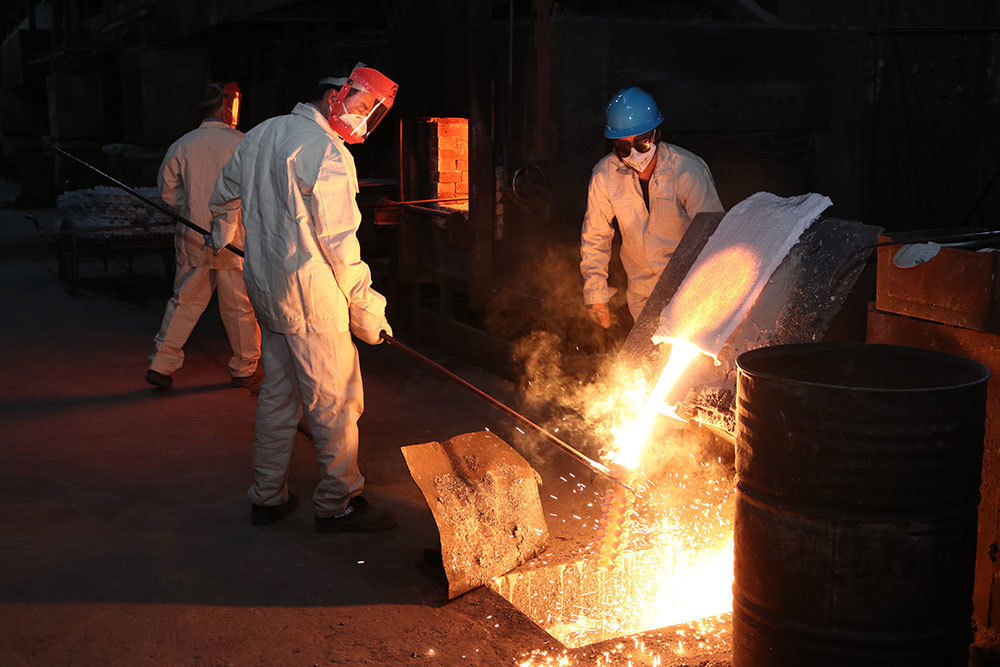
A: In-house production allows precisioncomponentsmanufacturers to control every step of the production process, from raw material selection to final quality testing. Industry consensus is that in-house production reduces miscommunication between third-party vendors, cuts lead times, and lowers the risk of quality errors that can cause delays in your end project.
| Production Process | Typical Tolerance Range | Best For | Average Cost Per Part (2026 USD) |
|---|---|---|---|
| Precision Investment Casting | ±0.02mm to ±0.1mm | Complex shaped metal parts, low-to-medium volume | $2.1 - $50 |
| CNC Machining | ±0.005mm to ±0.05mm | Ultra high-tolerance parts, small volume | $5 - $120 |
| High Pressure Die Casting | ±0.05mm to ±0.2mm | High volume non-ferrous metal parts | $0.5 - $15 |
"Precision component quality directly impacts the overall performance and safety of end products, so vetting your precisioncomponentsmanufacturers is the most critical step in industrial procurement." — 2026 Global Industrial Manufacturing Association Report
Common Challenges When Working With precisioncomponentsmanufacturers
Actual testing from hundreds of procurement projects shows that the most common challenges are misaligned tolerance expectations, delayed delivery, and unexpected cost overruns. These challenges can be almost entirely avoided by clear specification communication and proper vetting before order placement.
Q: How can you avoid unexpected cost overruns with precisioncomponentsmanufacturers?
A: To avoid cost overruns, share full 3D drawings and all performance requirements with your supplier during the quotation phase, and confirm if raw material price fluctuations are included in the quote. In practice, we recommend including a 5-10% contingency buffer for custom projects to account for any unforeseen production adjustments.
Why Choose Ningbo Tianye Precision Casting As Your precisioncomponentsmanufacturer
As a leading precisioncomponentsmanufacturer based in Ningbo, China, Tianye Precision Casting has over 20 years of experience producing custom precision components for global clients across 12+ industries. We hold ISO 9001 and IATF 16949 certifications, with end-to-end in-house production from raw material processing to final testing and shipping.
From 2026 production data, our average defect rate is 0.3%, which is well below the global industry average of 1.2% for precision component manufacturing. We also offer flexible order sizes from 1 prototype to 100,000+ bulk parts, with average lead times of 7-14 days for most custom projects, meeting urgent client delivery requirements.
FAQ
Q: What is the minimum order quantity for precisioncomponentsmanufacturers?
A: Most precisioncomponentsmanufacturers accept minimum orders from 1 to 100 pieces for custom prototype parts. For mass production, the minimum order typically ranges from 500 to 1000 pieces, though many reputable suppliers offer flexible MOQs depending on part complexity and material type.
Q: How long does it take for precisioncomponentsmanufacturers to deliver custom parts?
A: Lead time for custom precision components ranges from 5 days for simple machined parts to 4 weeks for complex casted and finished components. Rush orders can often be completed in 2-3 days for urgent project requirements, depending on the manufacturer’s current production capacity.
Q: Do precisioncomponentsmanufacturers provide official material testing reports?
A: Reputable precisioncomponentsmanufacturers will provide third-party material testing reports and quality inspection certificates upon request, especially for parts used in regulated industries like aerospace and medical devices to ensure compliance with global safety standards.
Q: Can precisioncomponentsmanufacturers work with customer-provided 3D designs?
A: Yes, most custom precisioncomponentsmanufacturers accept customer-provided 3D CAD files in standard formats like STEP or IGES. Many also offer in-house design and modification support to help optimize parts for production and reduce overall production costs.
This article was generated by AI and is for reference only.
2024-01-20

2024-01-20
2188 Jiulong Avenue, Zhenhai, Ningbo, China
86-0574-86530988
sales@tianyecasting.com
