
2024-10-14
Alloy precision casting


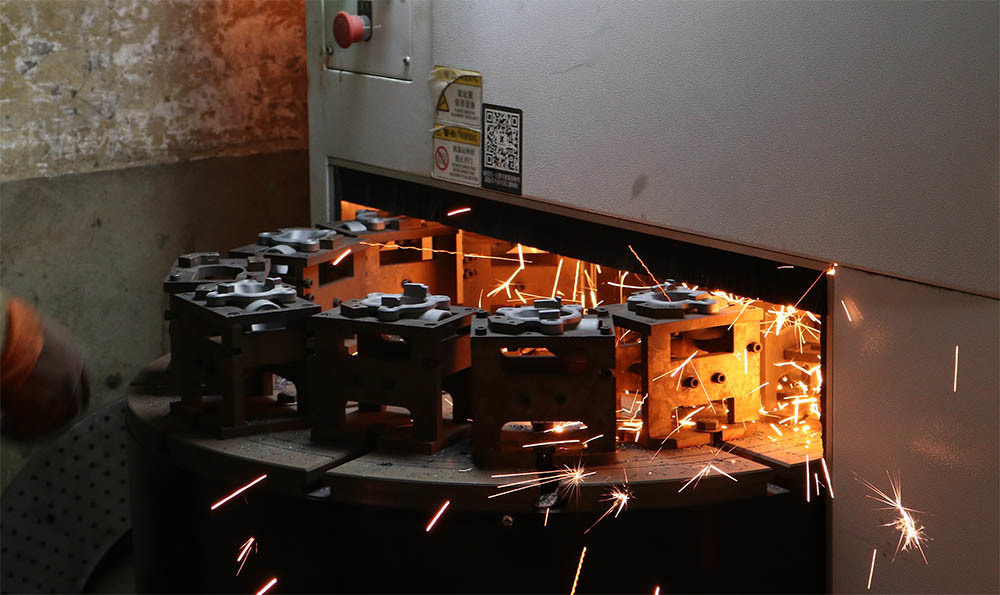
Alloy precision casting is a superior manufacturing technique that involves creating highly accurate and complex metal parts from various types of alloys. This method combines the principles of metallurgy, engineering, and precise craftsmanship to produce components with exact dimensions, intricate details, and excellent surface finish.

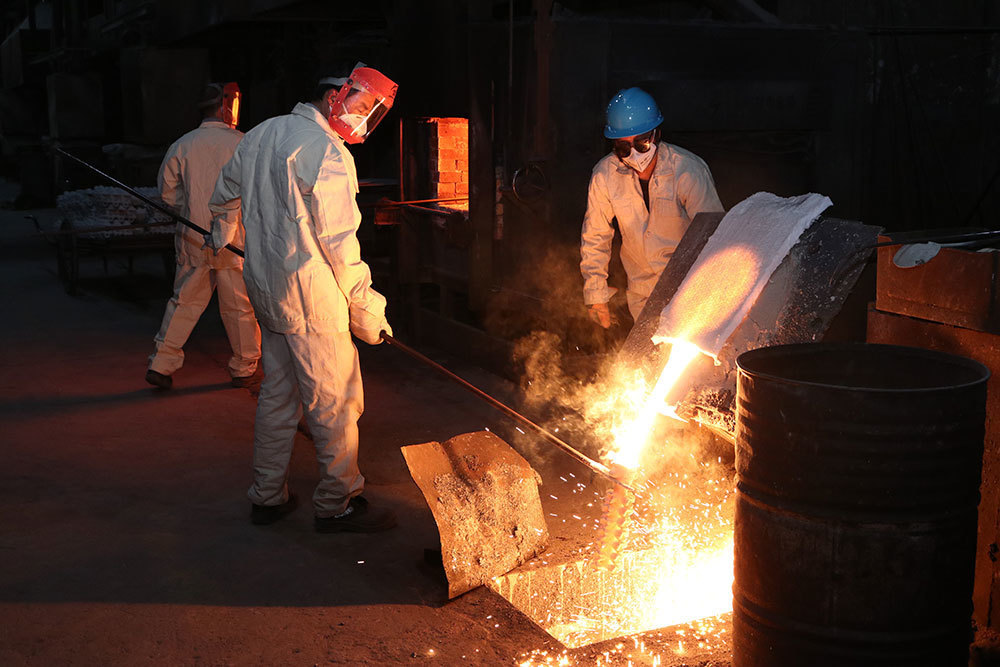
The process begins with designing a detailed pattern or mold, which serves as the blueprint for the final part. This mold is made using materials like wax, sand, or other refractory materials, depending on the desired complexity and size of the component. Once the mold is ready, it is filled with the selected alloy, which is melted and then allowed to solidify. The alloy used in precision casting can vary widely, including aluminum alloys, titanium alloys, cobalt alloys, and superalloys, among others. Each alloy has unique properties such as corrosion resistance, strength-to-weight ratio, and high-temperature performance, making it suitable for specific industrial applications.

One of the primary advantages of alloy precision casting is its ability to produce parts with a high degree of dimensional accuracy and consistency. This level of precision minimizes the need for additional machining or finishing processes, reducing production costs and lead times. Additionally, the technique allows for the creation of complex geometries that would be difficult or impossible to achieve through other manufacturing methods. These capabilities make alloy precision casting ideal for applications in aerospace, automotive, medical devices, and tooling industries, where high-performance and reliability are critical.
2024-01-20

2024-01-20
2188 Jiulong Avenue, Zhenhai, Ningbo, China
86-0574-86530988
sales@tianyecasting.com
