
2024-10-14
Alloy precision casting


Another significant benefit of alloy precision casting is its versatility in accommodating different production volumes. It can effectively handle both low-volume and high-volume production runs, providing flexibility for manufacturers to respond to varying market demands without compromising quality or efficiency. Furthermore, advancements in technology, such as computer-aided design (CAD) and computer-aided manufacturing (CAM), have enhanced the precision casting process by enabling more accurate simulations, faster turnaround times, and improved defect detection.
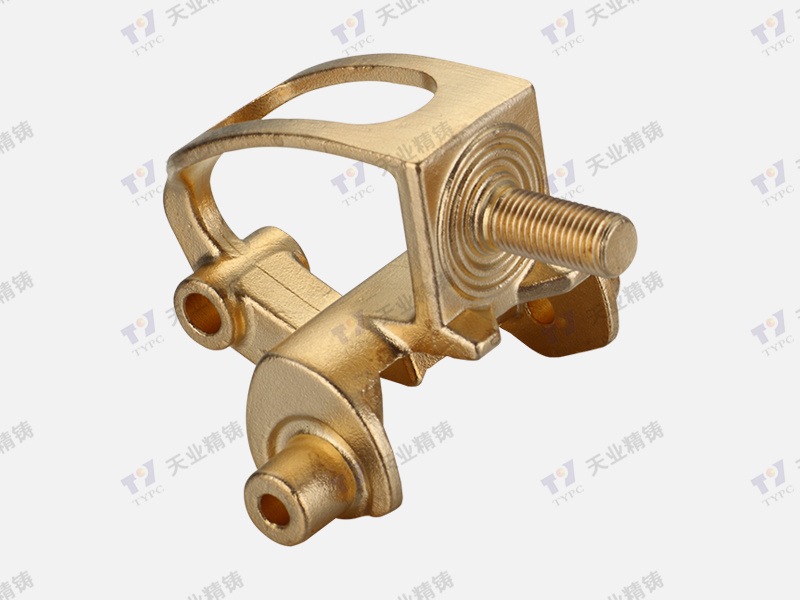
In terms of sustainability, alloy precision casting offers environmental benefits due to its efficient material usage and reduced waste generation compared to traditional manufacturing methods. The ability to recycle scrap metal and reuse lost-wax patterns contributes to a lower carbon footprint and conservation of resources. Moreover, precision casting supports the development of lightweight components essential for reducing energy consumption and emissions in transportation and machinery applications.
To ensure optimal results in alloy precision casting, stringent quality control measures must be implemented throughout the entire process. This includes rigorous inspection of the mold-making process, monitoring of alloy melting temperatures, and post-casting examination to detect any defects such as porosity, shrinkage, or inclusions. Advanced non-destructive testing (NDT) techniques like X-ray fluorescence (XRF) analysis, ultrasonic testing (UT), and computed tomography (CT) scans may also be employed to verify the integrity and conformance of the cast parts to specified standards.

In conclusion, alloy precision casting stands out as a cutting-edge manufacturing technology that delivers high-precision, complex metal parts while offering cost-effectiveness, versatility, and sustainability. Its broad applicability across diverse industries underscores its importance in meeting the evolving demands for innovative and high-performance components. As advancements continue in materials science and manufacturing technologies, alloy precision casting is poised to play an even more significant role in shaping the future of industrial innovation.
2024-01-20

2024-01-20
2188 Jiulong Avenue, Zhenhai, Ningbo, China
86-0574-86530988
sales@tianyecasting.com
