
2024-10-14
Heat resistant steel casting


Heat resistant steel casting is a type of metal casting that is specifically designed to withstand high temperatures. It is made from heat-resistant alloys, which are composed of elements such as chromium, nickel, and molybdenum that provide excellent resistance to thermal stress and oxidation. These materials are ideal for applications where exposure to extreme heat is common, such as in the aerospace, automotive, power generation, and petrochemical industries.

The production process of heat-resistant steel casting involves several steps, including mold design, pattern making, shell forming, melting, pouring, and cleaning. The first step is to create a mold that will shape the final product. This can be done using various techniques like sand casting, investment casting, or lost foam casting depending on the complexity and size of the part. Once the mold is ready, a pattern is created to form the cavity within the mold. This pattern is usually made from metal or plastic and is designed to match the dimensions and shape of the desired part.
Next, a refractory ceramic shell is formed around the pattern using a process called shell molding. In this process, a slurry of refractory ceramic particles and a binder is applied to the surface of the pattern. As the layers build up, they harden to create a rigid shell that maintains its shape during subsequent processing steps. After the shell has been formed, it is removed from the pattern and any remaining cores are added to complete the mold cavity.
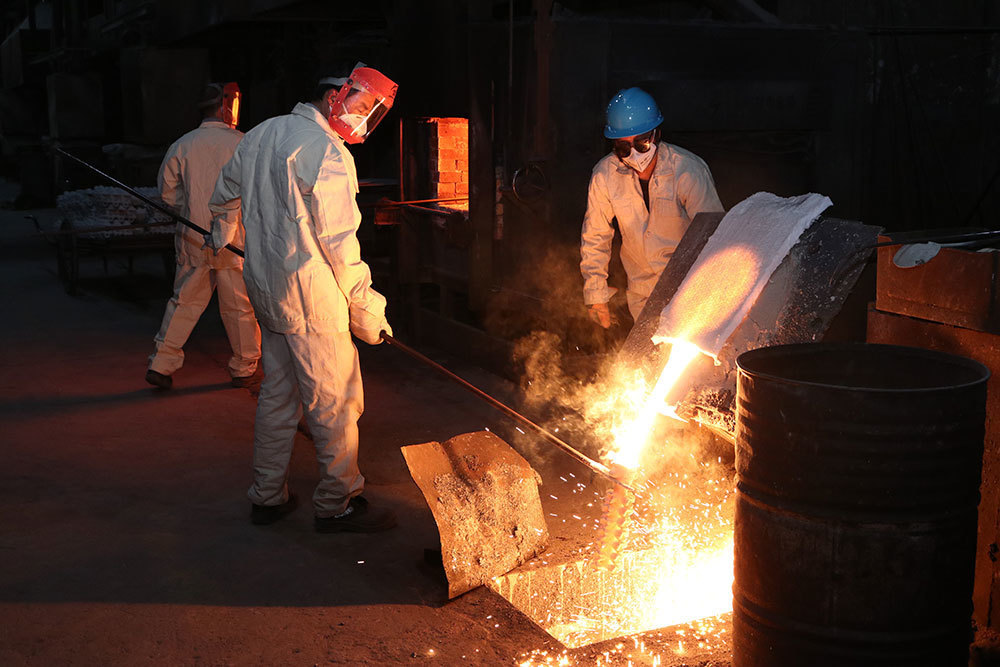
Once the mold is complete, it is preheated in a furnace to ensure proper filling of the mold during casting. The molten metal is then poured into the mold through a pouring basin or gate system, which allows for controlled flow of metal into the mold cavity. As the metal cools and solidifies, it takes on the shape of the mold cavity.

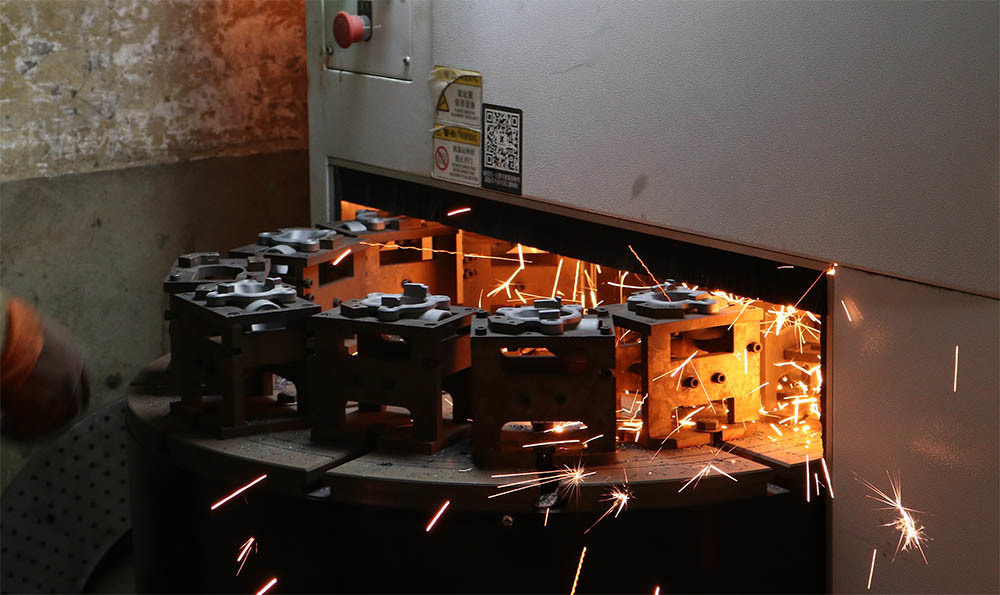
After cooling, the cast part is removed from the mold and any excess material such as fins or flash is removed. The part may also undergo further finishing processes such as machining, grinding, or polishing to achieve the desired surface finish and dimensional accuracy. Heat treatment processes like annealing or normalizing may also be performed to improve mechanical properties and enhance wear resistance.
Heat resistant steel castings offer several advantages over other types of castings due to their ability to withstand high temperatures without losing strength or durability. They have excellent thermal stability, low thermal expansion coefficients, and good corrosion resistance. Additionally, they can be tailored to specific applications by varying the composition of the alloy used in their manufacture.

Overall, heat resistant steel castings are essential components in many industrial applications requiring high-temperature performance capabilities. Their superior thermal properties make them well-suited for use in turbines, engines, furnaces, ovens, and other equipment subject to extreme heat conditions.
2024-01-20

2024-01-20
2188 Jiulong Avenue, Zhenhai, Ningbo, China
86-0574-86530988
sales@tianyecasting.com
