
2024-10-14
Power tool parts


Power tool parts are essential components that ensure the efficient and reliable operation of power tools. These parts encompass a wide range of components, each serving a specific function to enhance the performance and longevity of power tools.
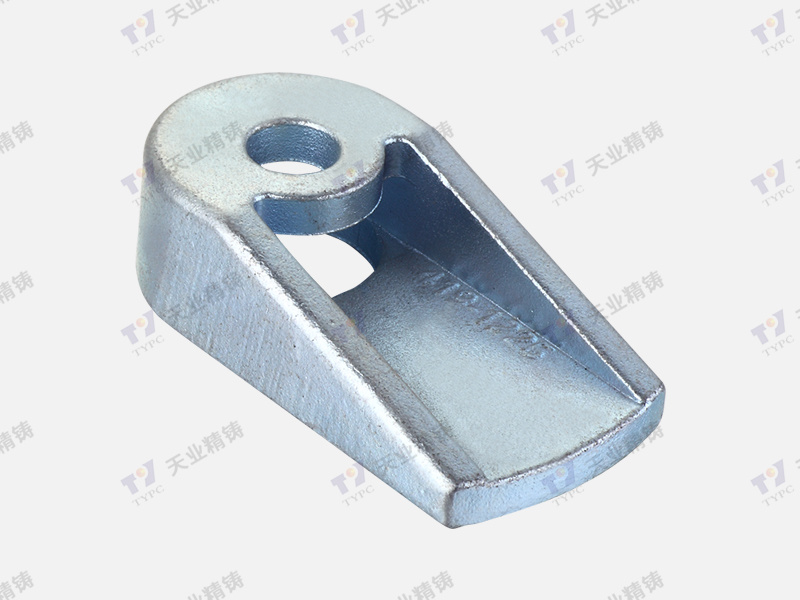
1. Motor: The motor is the heart of any power tool, providing the necessary power to drive various mechanisms. High-quality motors made from durable materials ensure consistent performance and long-lasting functionality. Motors come in different types, such as brushed and brushless, each offering unique advantages in terms of efficiency, power output, and maintenance requirements.
2. Battery Packs: For cordless power tools, battery packs are crucial for mobility and convenience. Modern batteries, typically lithium-ion, offer longer run times, faster charging, and greater durability compared to older nickel-cadmium batteries. Battery packs come in various voltage ratings, affecting their capacity and suitability for different power tools.
3. Chargers: Chargers are designed to recharge the battery packs efficiently and safely. Advanced chargers often feature smart technology that prevents overcharging and optimizes battery health, extending the overall lifespan of the battery.

4. Gearboxes: Gearboxes transmit power from the motor to the working mechanism, adjusting the speed and torque according to the tool's requirements. They are built with precision engineering to handle high loads and provide smooth operation.
5. Blades and Bits: Blades and bits are the cutting or driving elements used in power tools like saws, drills, and drivers. They come in various sizes, shapes, and materials to suit different applications. Carbide-tipped blades, for instance, offer exceptional durability and cutting performance.
6. Clutch Mechanisms: Clutch mechanisms protect both the user and the tool by disengaging the motor when excessive resistance is encountered. This prevents damage to the tool and reduces the risk of injury.
7. Trigger Switches: Trigger switches allow users to start and stop the tool with ease. Quality trigger switches are designed for ergonomic comfort and reliability, ensuring smooth operation without sticking or malfunctioning.
8. Housing and Frame: The housing and frame provide structural integrity to the power tool, protecting internal components from impacts and environmental conditions. They are often made from robust materials like aluminum or high-impact plastic.
9. Air Filtration Systems: For pneumatic power tools, air filtration systems ensure that only clean, filtered air reaches the tool's internal components, preventing dust and debris from causing damage or reducing efficiency.
10. Handles and Grips: Ergonomic handles and grips enhance user comfort and control, reducing fatigue during extended use. They are designed with rubberized materials or textured surfaces to improve grip and minimize vibration.
11. Seal and Bearings: Seals and bearings play a critical role in reducing friction and wear within the power tool's moving parts. High-quality seals prevent dust and debris from entering sensitive areas, while precision bearings ensure smooth operation.
12. Safety Features: Modern power tools are equipped with various safety features such as overload protection, automatic shutoff, and lockout mechanisms to prevent accidental starts. These features are integral to ensuring user safety and tool longevity.

In conclusion, power tool parts are meticulously engineered to deliver optimal performance, durability, and safety. Whether it's the robust motor, efficient gearbox, or the precise blades, each component plays a vital role in the overall functionality of power tools. By understanding these key parts and their contributions, users can make informed decisions when selecting, using, and maintaining power tools, ultimately enhancing productivity and operational safety.
2024-01-20

2024-01-20
2188 Jiulong Avenue, Zhenhai, Ningbo, China
86-0574-86530988
sales@tianyecasting.com
