
2024-10-14
alloy steel castings


Alloy steel castings are a diverse range of materials that find applications across various industries due to their superior mechanical properties and resistance to wear, heat, and corrosion. These castings are produced by introducing alloying elements such as chromium, nickel, molybdenum, vanadium, and manganese into steel during the manufacturing process. The addition of these elements refines the microstructure of the steel, thereby enhancing its overall performance and making it suitable for demanding engineering applications.

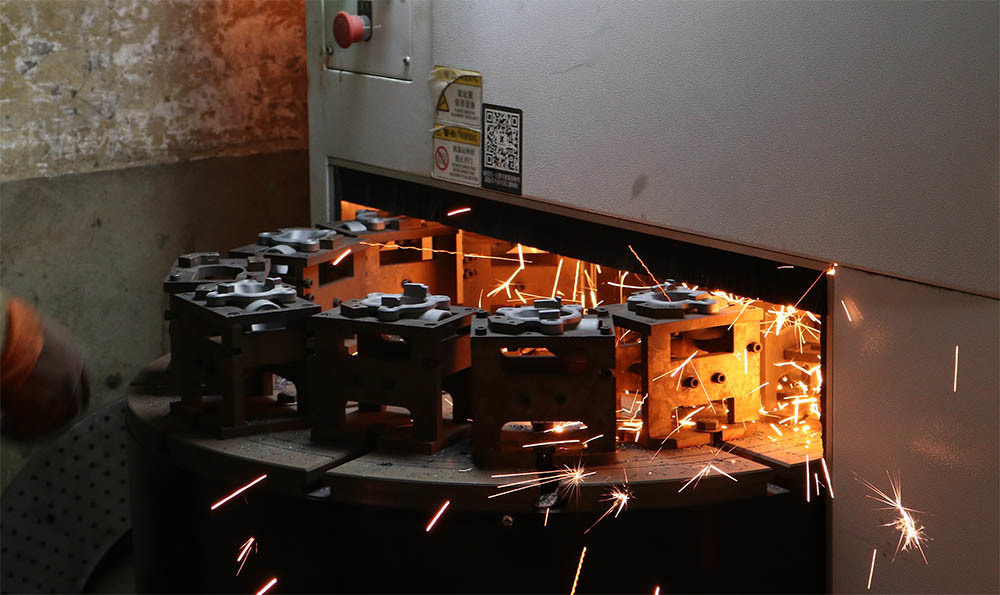
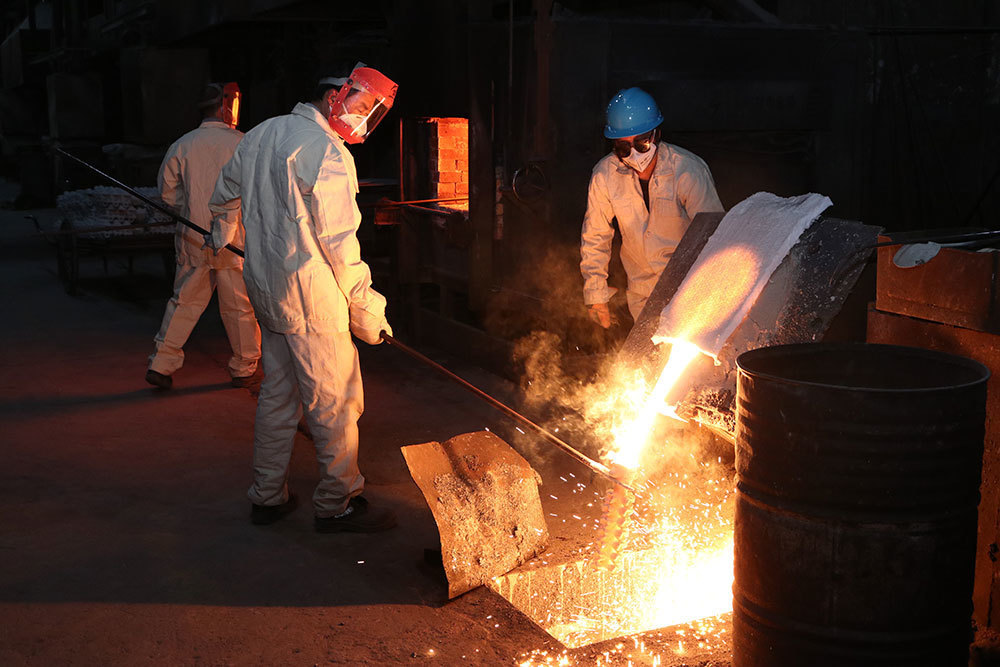
The manufacturing process of alloy steel castings typically involves melting the base steel and mixing it with the selected alloying elements in a controlled environment. This molten mixture is then poured into molds, which may be made from materials such as sand, metal, or ceramic, depending on the desired properties of the final product. Once the molten steel has solidified, the casting is removed from the mold and subjected to further processing steps like cleaning, heat treatment, and machining to achieve the desired shape, size, and finish.
One of the primary benefits of alloy steel castings is their exceptional strength-to-weight ratio, which makes them ideal for use in applications where lightweight components are essential. For instance, in the automotive industry, alloy steel castings are used to manufacture engine blocks, transmission casings, and other critical components that must withstand high stress and temperature conditions while contributing to the vehicle's overall weight reduction.

In the power generation sector, alloy steel castings play a crucial role in the manufacturing of components for turbines, generators, and boilers. These components must endure extreme temperatures and pressures, and the high-temperature creep resistance of alloy steel ensures their long-term reliability and durability. Additionally, the corrosion resistance of alloy steel castings makes them suitable for marine environments and chemical processing plants where exposure to harsh chemicals and saline conditions is prevalent.
The oil and gas industry also heavily relies on alloy steel castings for the production of drilling equipment, valves, and pipeline fittings. These components are subjected to high levels of stress, corrosion, and abrasion, and the wear resistance of alloy steel ensures that they can perform reliably in these challenging environments. Furthermore, the ability of alloy steel to maintain its mechanical properties at cryogenic temperatures makes it an ideal material for components in liquefied natural gas (LNG) processing and storage facilities.
Alloy steel castings are available in various grades and compositions, each tailored to meet specific application requirements. For example, stainless steel castings containing chromium and nickel offer excellent corrosion resistance and are widely used in food processing equipment, chemical reactors, and medical devices. On the other hand, high-strength low-alloy (HSLA) steel castings, which include elements like vanadium and niobium, provide enhanced strength and toughness for construction machinery and military equipment.
To ensure consistent quality and performance, alloy steel castings undergo rigorous testing and inspection procedures throughout the manufacturing process. This includes non-destructive testing methods such as radiography, ultrasonic testing, and magnetic particle inspection to detect internal and surface defects. Metallographic analysis may also be performed to examine the microstructure of the material and confirm that it meets the required specifications.

In conclusion, alloy steel castings are versatile engineering materials that offer unparalleled strength, durability, and resistance to extreme operating conditions. Their broad range of properties allows them to be tailored for specific applications across numerous industries, from transportation to energy production. As advancements in metallurgy continue to evolve, the development of new alloys and improvements in casting techniques will further enhance the capabilities of alloy steel castings, ensuring their continued importance in meeting the ever-increasing demands of modern engineering challenges.
2024-01-20

2024-01-20
2188 Jiulong Avenue, Zhenhai, Ningbo, China
86-0574-86530988
sales@tianyecasting.com
