
2024-10-14
high conductivity Pure copper castings


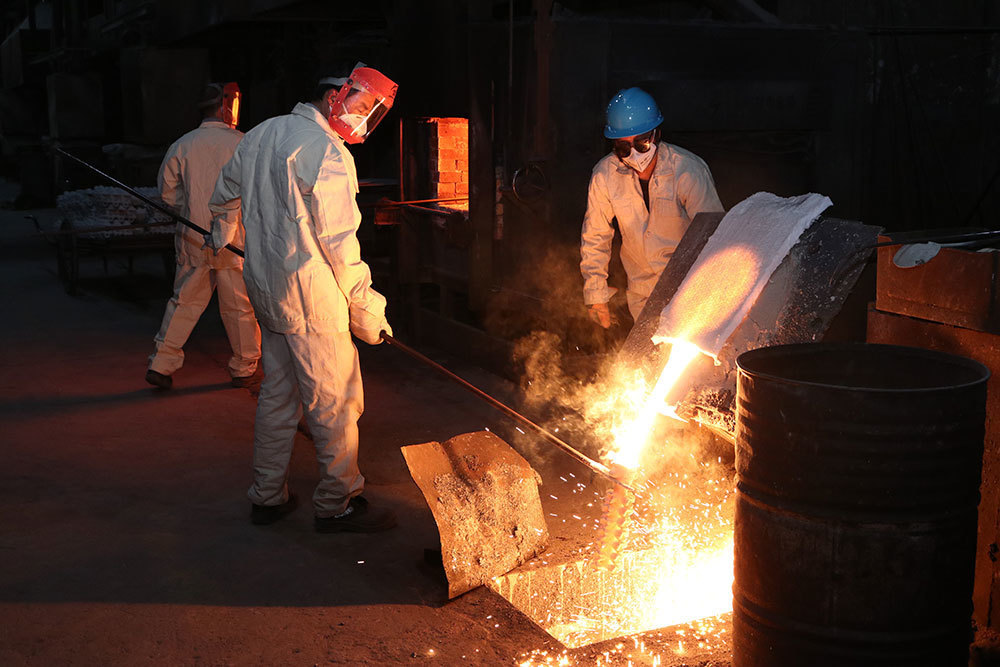
In terms of manufacturing, high conductivity pure copper castings require specialized equipment and expertise. The process begins with the selection of high-purity copper, which is then melted down using a furnace or induction heater. Once the copper has reached the desired temperature, it is poured into a mold made from materials such as sand, ceramic, or graphite. The mold is designed to match the shape and size of the final product, and is typically coated with a refractory material to prevent sticking and ensure smooth surface finish.
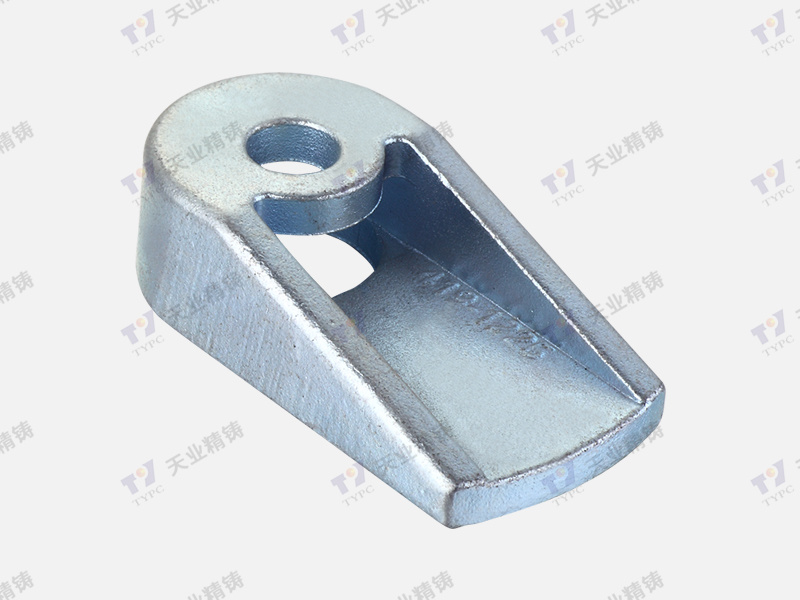
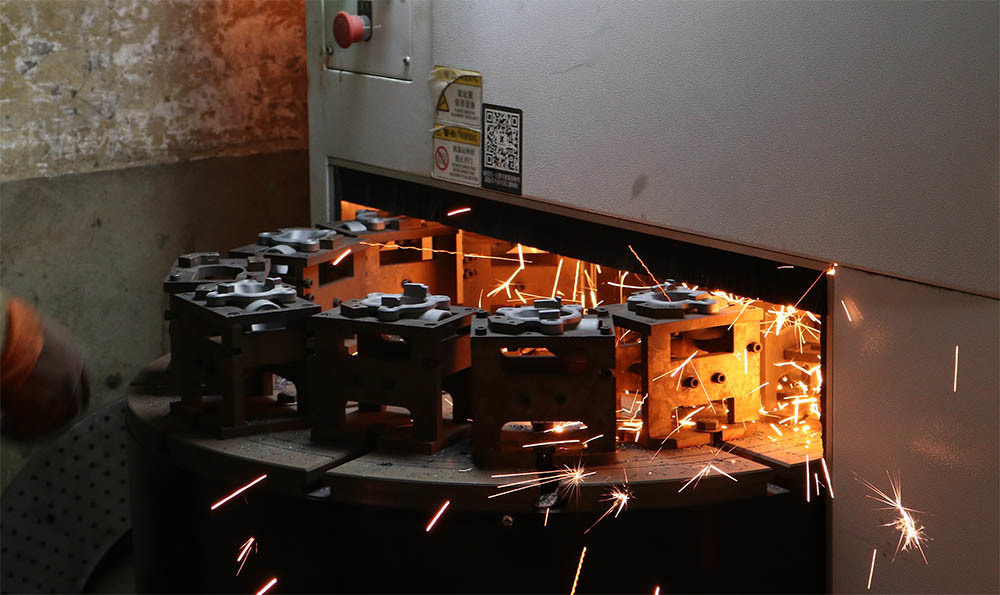
Once the copper has cooled and solidified within the mold, the casting is removed and inspected for quality. Any defects or irregularities are then corrected through machining or other post-processing techniques. Finally, the finished product is polished and coated with a protective layer to enhance its durability and appearance.

In conclusion, high conductivity pure copper castings offer numerous benefits for manufacturers seeking efficient, durable, and versatile solutions for their metalworking needs. With their excellent thermal and electrical conductivity, resistance to corrosion, and ability to be customized for a wide range of applications, these castings are sure to remain a popular choice in the metalworking industry for years to come.
2024-01-20

2024-01-20
2188 Jiulong Avenue, Zhenhai, Ningbo, China
86-0574-86530988
sales@tianyecasting.com
