
2024-11-23
Understanding Heat Resistant Steel Casting: Applications and Benefits


Heat resistant steel casting is a specialized process used in the manufacturing of components that must withstand high temperatures without losing their structural integrity. This type of casting is crucial in various industries, including aerospace, power generation, and chemical processing, where materials are often exposed to extreme heat and corrosive environments.
One of the primary advantages of heat resistant steel casting is its ability to maintain strength and durability at elevated temperatures. Unlike standard steel, heat resistant steel contains specific alloying elements such as chromium, nickel, and molybdenum. These elements enhance the material's resistance to oxidation and thermal fatigue, making it ideal for components like turbine blades, furnace parts, and exhaust systems.
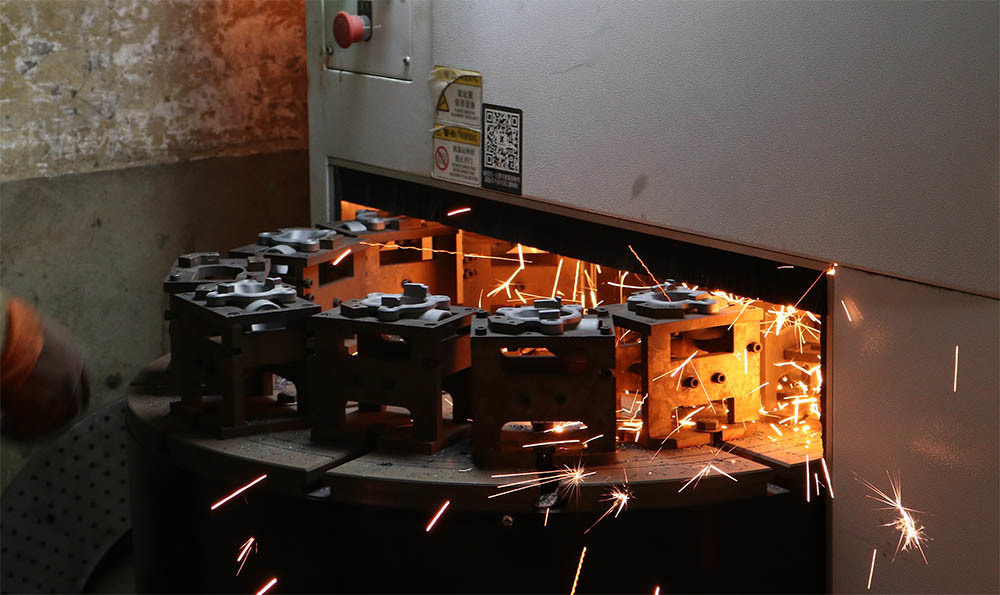
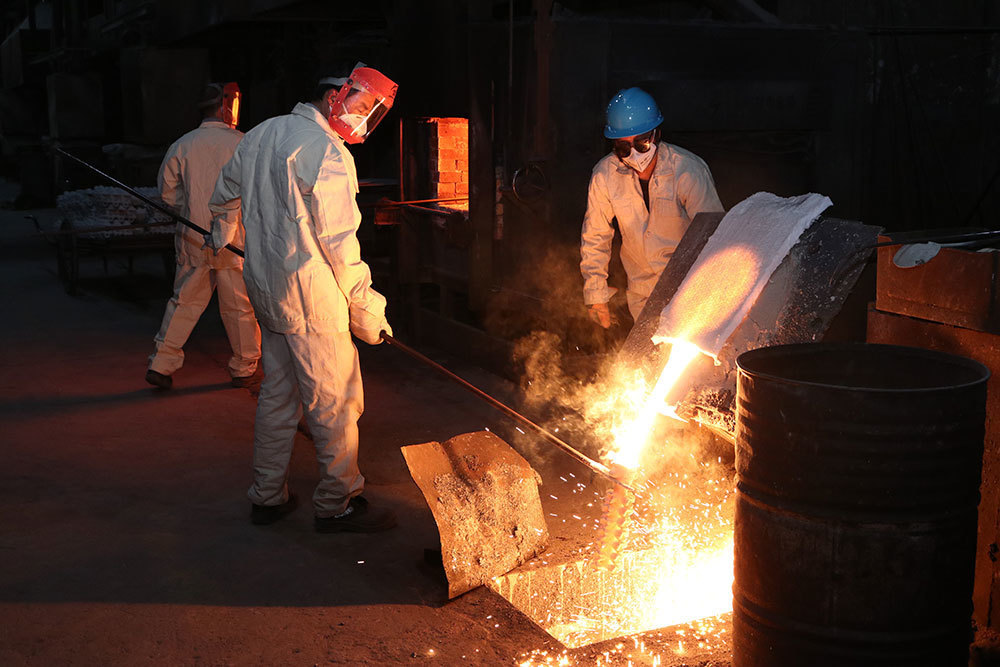
The casting process itself involves melting the heat resistant steel and pouring it into molds to create specific shapes. The ability to cast intricate designs allows engineers to create parts that fit precisely within complex systems, reducing the need for additional machining and minimizing waste. This efficiency not only saves time but also reduces overall production costs.
Another important aspect of heat resistant steel casting is its versatility. The properties of the steel can be tailored to meet the specific demands of different applications. For instance, varying the alloy composition can produce materials that excel in high-temperature environments, while maintaining excellent mechanical properties at room temperature. This adaptability is what makes heat resistant steel casting a preferred choice across multiple sectors.
Additionally, the heat resistance of the steel contributes to longer service life and lower maintenance costs for industrial equipment. When components can withstand extreme conditions without degrading, businesses benefit from reduced downtime and improved efficiency. This is particularly important in industries where equipment reliability is critical.
Furthermore, advancements in casting technology have enhanced the quality and consistency of heat resistant steel products. Modern techniques such as precision casting and investment casting allow for tighter tolerances and superior surface finishes, which are vital for high-performance applications.
In conclusion, heat resistant steel casting plays a pivotal role in the manufacturing of components designed for high-temperature environments. With its unique properties, versatility, and ability to enhance equipment performance, it is an indispensable material in the industrial sector. Understanding the benefits and applications of heat resistant steel casting can help businesses make informed decisions regarding their manufacturing processes and component selection. By employing this advanced material, industries can ensure their operations remain efficient and reliable, even under the most demanding conditions.
One of the primary advantages of heat resistant steel casting is its ability to maintain strength and durability at elevated temperatures. Unlike standard steel, heat resistant steel contains specific alloying elements such as chromium, nickel, and molybdenum. These elements enhance the material's resistance to oxidation and thermal fatigue, making it ideal for components like turbine blades, furnace parts, and exhaust systems.
The casting process itself involves melting the heat resistant steel and pouring it into molds to create specific shapes. The ability to cast intricate designs allows engineers to create parts that fit precisely within complex systems, reducing the need for additional machining and minimizing waste. This efficiency not only saves time but also reduces overall production costs.
Another important aspect of heat resistant steel casting is its versatility. The properties of the steel can be tailored to meet the specific demands of different applications. For instance, varying the alloy composition can produce materials that excel in high-temperature environments, while maintaining excellent mechanical properties at room temperature. This adaptability is what makes heat resistant steel casting a preferred choice across multiple sectors.
Additionally, the heat resistance of the steel contributes to longer service life and lower maintenance costs for industrial equipment. When components can withstand extreme conditions without degrading, businesses benefit from reduced downtime and improved efficiency. This is particularly important in industries where equipment reliability is critical.
Furthermore, advancements in casting technology have enhanced the quality and consistency of heat resistant steel products. Modern techniques such as precision casting and investment casting allow for tighter tolerances and superior surface finishes, which are vital for high-performance applications.
In conclusion, heat resistant steel casting plays a pivotal role in the manufacturing of components designed for high-temperature environments. With its unique properties, versatility, and ability to enhance equipment performance, it is an indispensable material in the industrial sector. Understanding the benefits and applications of heat resistant steel casting can help businesses make informed decisions regarding their manufacturing processes and component selection. By employing this advanced material, industries can ensure their operations remain efficient and reliable, even under the most demanding conditions.
2024-01-20

2024-01-20
2188 Jiulong Avenue, Zhenhai, Ningbo, China
86-0574-86530988
sales@tianyecasting.com
