
2024-12-11
Exploring the Benefits of Automotive Investment Casting in Industrial Components


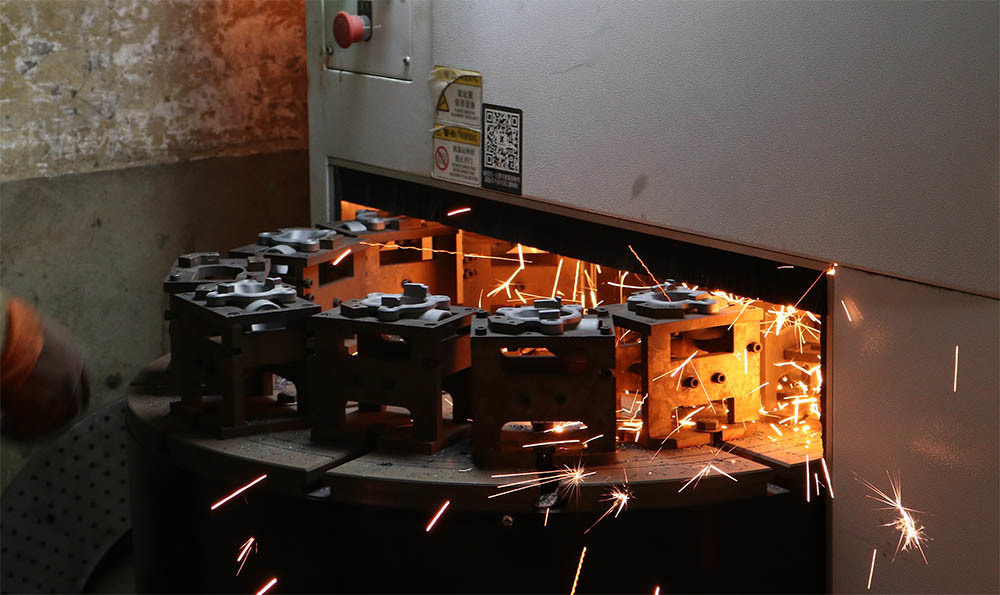
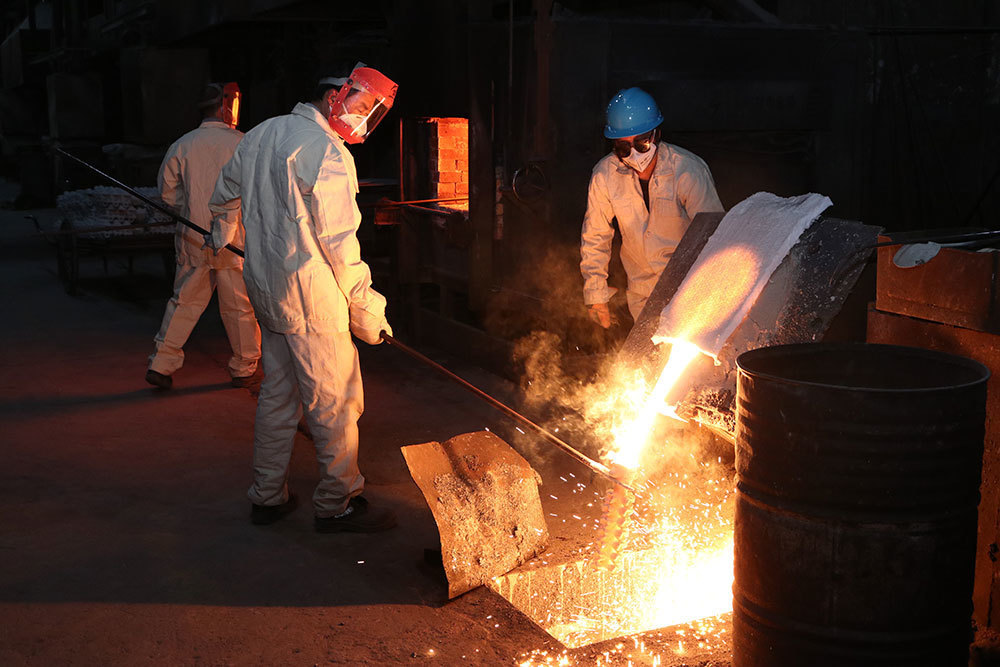
Automotive investment casting is a highly regarded manufacturing process that offers several benefits for the production of complex industrial components. This technique involves creating a wax model of the desired part, which is then coated in a ceramic material. After the ceramic hardens, the wax is melted away, leaving a detailed mold into which molten metal is poured. This process is particularly beneficial in the automotive industry, where precision and durability are paramount.
One of the primary advantages of automotive investment casting is its ability to produce intricate shapes with high dimensional accuracy. This capability allows manufacturers to create components that have complex geometries, which are often challenging to achieve with traditional machining methods. The precision of investment casting ensures that parts fit together seamlessly, reducing the need for additional machining and thus saving time and resources.
Furthermore, automotive investment casting is known for its excellent surface finish. The smooth surfaces achieved through this process can significantly reduce the need for secondary finishing operations, which not only cuts down on production time but also lowers overall costs. This is especially important for parts that must meet strict aesthetic and performance standards in the automotive sector.
Another significant benefit is the material versatility that investment casting offers. Various metal alloys can be used in the process, including aluminum, steel, and bronze. This flexibility allows manufacturers to select materials that best suit the specific requirements of their components, whether they need enhanced strength, lightweight properties, or resistance to corrosion.
Additionally, investment casting can lead to reduced waste compared to other manufacturing methods. Since the process involves creating a mold that closely matches the final product, there is minimal excess material. This efficiency not only benefits the environment but also contributes to cost savings for manufacturers.
In terms of scalability, automotive investment casting is well-suited for both small and large production runs. Whether a company is producing a limited number of custom parts or high volumes of standard components, investment casting can adapt to meet varying production demands without compromising quality.
In conclusion, automotive investment casting stands out as a preferred method for producing high-quality industrial components. Its precision, surface finish, material versatility, waste reduction, and scalability make it an indispensable process in the automotive industry. By leveraging the advantages of this technique, manufacturers can enhance their product offerings, optimize production processes, and ultimately achieve greater success in a competitive market.
One of the primary advantages of automotive investment casting is its ability to produce intricate shapes with high dimensional accuracy. This capability allows manufacturers to create components that have complex geometries, which are often challenging to achieve with traditional machining methods. The precision of investment casting ensures that parts fit together seamlessly, reducing the need for additional machining and thus saving time and resources.
Furthermore, automotive investment casting is known for its excellent surface finish. The smooth surfaces achieved through this process can significantly reduce the need for secondary finishing operations, which not only cuts down on production time but also lowers overall costs. This is especially important for parts that must meet strict aesthetic and performance standards in the automotive sector.
Another significant benefit is the material versatility that investment casting offers. Various metal alloys can be used in the process, including aluminum, steel, and bronze. This flexibility allows manufacturers to select materials that best suit the specific requirements of their components, whether they need enhanced strength, lightweight properties, or resistance to corrosion.
Additionally, investment casting can lead to reduced waste compared to other manufacturing methods. Since the process involves creating a mold that closely matches the final product, there is minimal excess material. This efficiency not only benefits the environment but also contributes to cost savings for manufacturers.
In terms of scalability, automotive investment casting is well-suited for both small and large production runs. Whether a company is producing a limited number of custom parts or high volumes of standard components, investment casting can adapt to meet varying production demands without compromising quality.
In conclusion, automotive investment casting stands out as a preferred method for producing high-quality industrial components. Its precision, surface finish, material versatility, waste reduction, and scalability make it an indispensable process in the automotive industry. By leveraging the advantages of this technique, manufacturers can enhance their product offerings, optimize production processes, and ultimately achieve greater success in a competitive market.
2024-01-20

2024-01-20
2188 Jiulong Avenue, Zhenhai, Ningbo, China
86-0574-86530988
sales@tianyecasting.com
