
2024-12-13
Understanding Heat Resistant Steel Casting: A Key Component in Industrial Equipment


Heat resistant steel casting is a vital material in the manufacturing of various industrial equipment and components. It refers to a specific type of steel that retains its strength and structural integrity at elevated temperatures, making it an ideal choice for applications where heat exposure is a concern. This article delves into the characteristics, applications, and advantages of heat resistant steel casting, providing valuable insights for professionals in the industrial sector.
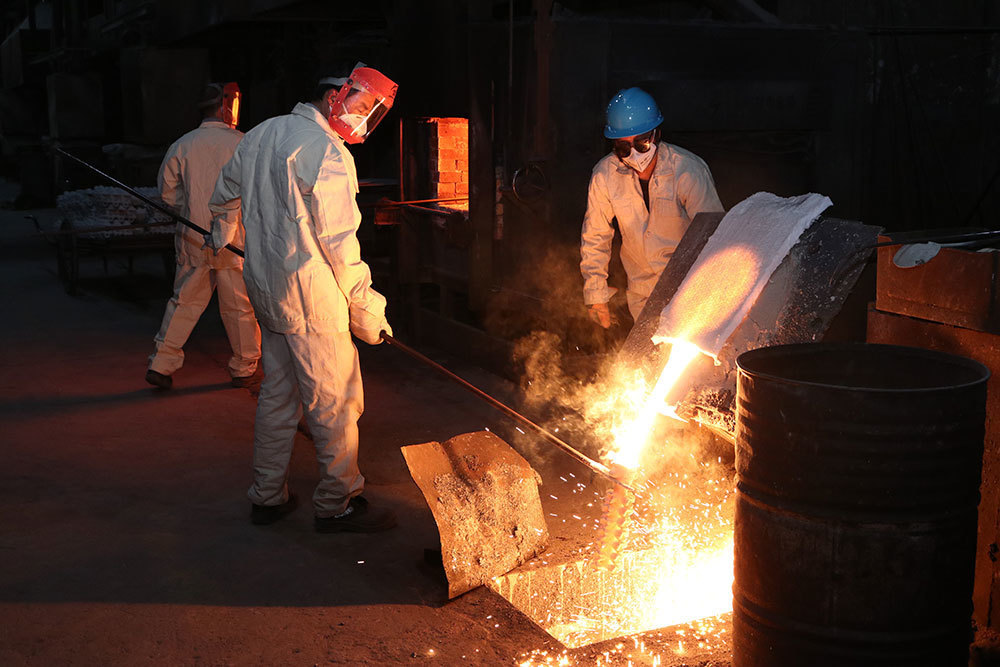
One of the most defining features of heat resistant steel casting is its ability to withstand high temperatures without significant deformation or loss of strength. This property is crucial for components used in environments such as power generation, petrochemical processing, and metalworking, where equipment is regularly exposed to extreme heat. The composition of heat resistant steel typically includes elements such as chromium, molybdenum, and nickel, which enhance its thermal stability and resistance to oxidation and corrosion.
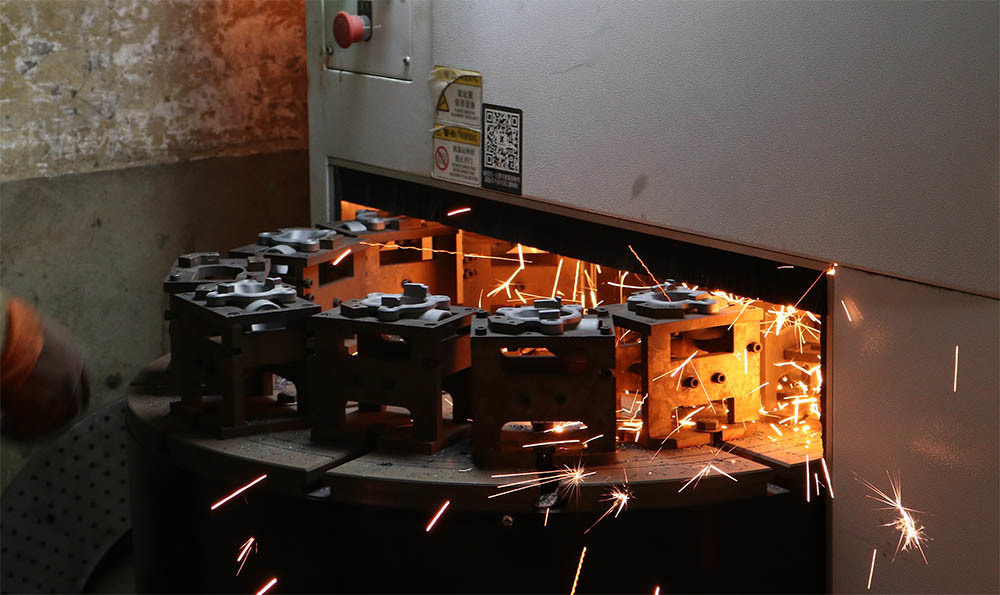
Applications of heat resistant steel casting are diverse and can be found in various industries. For example, in the power generation sector, components such as turbine casings, boiler parts, and exhaust systems often utilize this material due to the high-temperature conditions they operate under. Similarly, in the petrochemical industry, heat resistant steel castings are used in valves, fittings, and other critical components that must endure harsh operating environments. Additionally, in manufacturing processes like forging and casting, these materials help ensure the longevity and efficiency of the equipment involved.
The advantages of using heat resistant steel casting are numerous. Firstly, its high-temperature resilience allows for the production of more efficient machinery that can operate at optimal performance levels longer than components made from standard materials. This not only improves productivity but also reduces maintenance costs over time. Secondly, the durability of heat resistant steel casting contributes to enhanced safety in industrial settings, minimizing the risk of component failure that could lead to accidents or downtime.
Moreover, heat resistant steel casting contributes to sustainability in industrial operations. By extending the lifespan of components and reducing the frequency of replacements, it helps decrease the overall material consumption and waste generated in industrial processes. This aligns with the growing emphasis on environmentally friendly practices within the industry.
In conclusion, heat resistant steel casting serves as a cornerstone in the design and manufacturing of reliable industrial equipment. Its unique properties, coupled with its wide range of applications, make it an essential material for professionals looking to enhance the performance and safety of their operations. Understanding the significance of heat resistant steel casting can provide valuable insights for those involved in the industrial equipment and components sector.
One of the most defining features of heat resistant steel casting is its ability to withstand high temperatures without significant deformation or loss of strength. This property is crucial for components used in environments such as power generation, petrochemical processing, and metalworking, where equipment is regularly exposed to extreme heat. The composition of heat resistant steel typically includes elements such as chromium, molybdenum, and nickel, which enhance its thermal stability and resistance to oxidation and corrosion.
Applications of heat resistant steel casting are diverse and can be found in various industries. For example, in the power generation sector, components such as turbine casings, boiler parts, and exhaust systems often utilize this material due to the high-temperature conditions they operate under. Similarly, in the petrochemical industry, heat resistant steel castings are used in valves, fittings, and other critical components that must endure harsh operating environments. Additionally, in manufacturing processes like forging and casting, these materials help ensure the longevity and efficiency of the equipment involved.
The advantages of using heat resistant steel casting are numerous. Firstly, its high-temperature resilience allows for the production of more efficient machinery that can operate at optimal performance levels longer than components made from standard materials. This not only improves productivity but also reduces maintenance costs over time. Secondly, the durability of heat resistant steel casting contributes to enhanced safety in industrial settings, minimizing the risk of component failure that could lead to accidents or downtime.
Moreover, heat resistant steel casting contributes to sustainability in industrial operations. By extending the lifespan of components and reducing the frequency of replacements, it helps decrease the overall material consumption and waste generated in industrial processes. This aligns with the growing emphasis on environmentally friendly practices within the industry.
In conclusion, heat resistant steel casting serves as a cornerstone in the design and manufacturing of reliable industrial equipment. Its unique properties, coupled with its wide range of applications, make it an essential material for professionals looking to enhance the performance and safety of their operations. Understanding the significance of heat resistant steel casting can provide valuable insights for those involved in the industrial equipment and components sector.
2024-01-20

2024-01-20
2188 Jiulong Avenue, Zhenhai, Ningbo, China
86-0574-86530988
sales@tianyecasting.com
