
2025-01-22
Understanding Investment Casting Parts: A Comprehensive Guide for Industrial Applications


Investment casting parts, also known as lost-wax casting, is a sophisticated manufacturing process that holds considerable relevance in the industrial equipment and components sector. This method offers a unique approach to creating complex shapes and intricate designs that are essential in various applications. One of the primary advantages of investment casting is its ability to produce highly detailed components with tight tolerances, making it ideal for industries that demand precision, such as aerospace, automotive, and machinery.
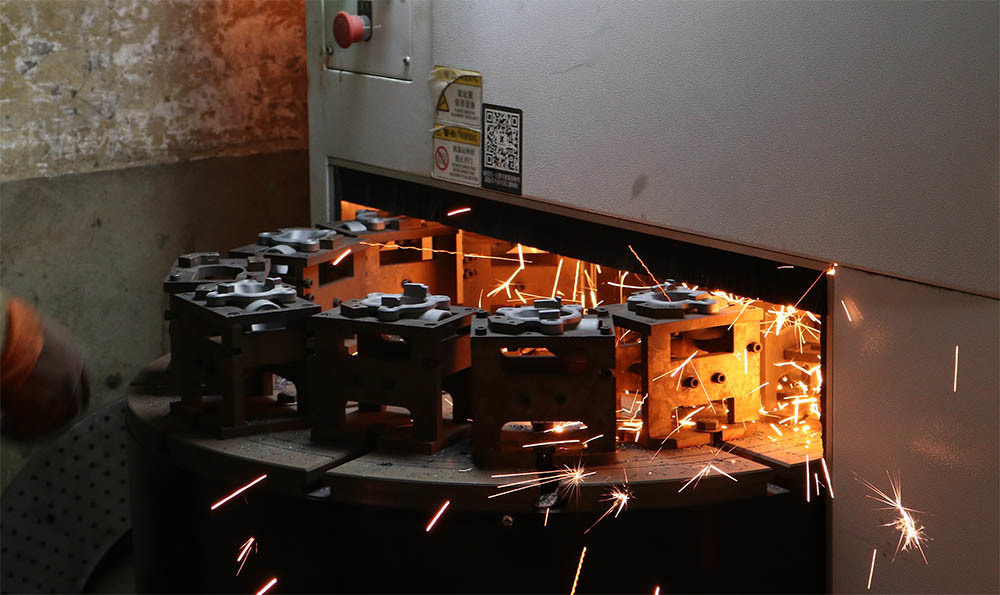
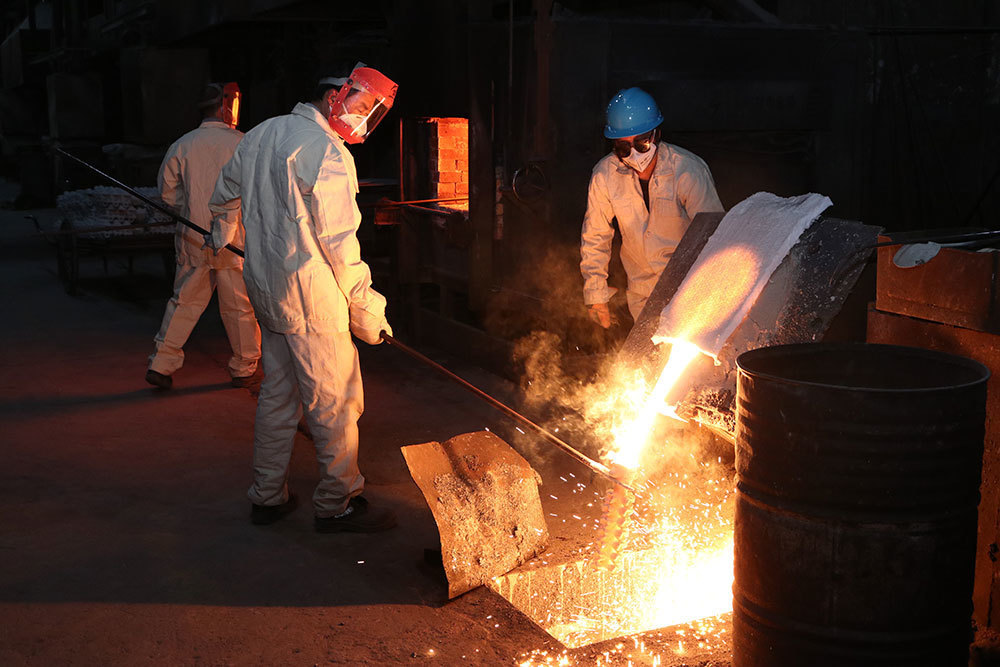
The process begins with creating a wax pattern, which is an exact replica of the desired part. This pattern is coated in a ceramic shell, which is then heated to remove the wax, leaving a cavity that mirrors the intricate details of the original design. Once the shell is prepared, molten metal is poured into the cavity, resulting in the final investment casting part. This technique not only provides a high level of accuracy but also supports the creation of parts with complex geometries that would be challenging to achieve with traditional manufacturing methods.
One of the key technical benefits of investment casting parts is the minimal material waste it generates. Since the process utilizes the lost-wax method, it allows for efficient use of raw materials, which can be particularly advantageous in today's cost-sensitive environment. Furthermore, the ability to cast in a variety of alloys, including stainless steel, aluminum, and other high-performance materials, provides engineers with the flexibility to select materials based on specific performance requirements, such as corrosion resistance and strength.
Moreover, investment casting is known for its scalability. Whether producing a single prototype or high-volume production runs, this method can effectively meet varying demands without compromising quality. It is particularly beneficial for industries that require a rapid turnaround for prototypes and final products.
In conclusion, investment casting parts play a crucial role in the modern industrial landscape, providing unparalleled precision, material efficiency, and adaptability to a wide range of applications. For professionals in the industrial equipment and components sector, understanding this method is essential for leveraging its advantages in product design and manufacturing. As industries continue to evolve, investment casting will undoubtedly remain a cornerstone technique in the pursuit of innovative and high-quality components.
The process begins with creating a wax pattern, which is an exact replica of the desired part. This pattern is coated in a ceramic shell, which is then heated to remove the wax, leaving a cavity that mirrors the intricate details of the original design. Once the shell is prepared, molten metal is poured into the cavity, resulting in the final investment casting part. This technique not only provides a high level of accuracy but also supports the creation of parts with complex geometries that would be challenging to achieve with traditional manufacturing methods.
One of the key technical benefits of investment casting parts is the minimal material waste it generates. Since the process utilizes the lost-wax method, it allows for efficient use of raw materials, which can be particularly advantageous in today's cost-sensitive environment. Furthermore, the ability to cast in a variety of alloys, including stainless steel, aluminum, and other high-performance materials, provides engineers with the flexibility to select materials based on specific performance requirements, such as corrosion resistance and strength.
Moreover, investment casting is known for its scalability. Whether producing a single prototype or high-volume production runs, this method can effectively meet varying demands without compromising quality. It is particularly beneficial for industries that require a rapid turnaround for prototypes and final products.
In conclusion, investment casting parts play a crucial role in the modern industrial landscape, providing unparalleled precision, material efficiency, and adaptability to a wide range of applications. For professionals in the industrial equipment and components sector, understanding this method is essential for leveraging its advantages in product design and manufacturing. As industries continue to evolve, investment casting will undoubtedly remain a cornerstone technique in the pursuit of innovative and high-quality components.
2024-01-20

2024-01-20
2188 Jiulong Avenue, Zhenhai, Ningbo, China
86-0574-86530988
sales@tianyecasting.com
