
2025-01-26
Understanding Heat Resistant Steel Casting: Key Insights for Industrial Applications


Heat resistant steel casting is a specialized form of steel casting designed to withstand elevated temperatures while maintaining structural integrity. This type of casting is essential in industries where components are subjected to high heat and thermal stress, such as in power generation, aerospace, and petrochemical sectors. The unique properties of heat resistant steel allow it to retain its strength and resist oxidation and thermal fatigue, making it a preferred choice for various applications.
One of the primary characteristics of heat resistant steel casting is its ability to maintain mechanical properties at high temperatures. Typically, these materials are formulated with specific alloying elements, such as chromium, nickel, and molybdenum, which enhance their thermal stability and resistance to deformation. The precise composition of these alloys can be tailored to meet the specific requirements of different applications, ensuring optimal performance under challenging conditions.
In addition to high-temperature resistance, heat resistant steel casting exhibits excellent corrosion resistance. This is particularly important in environments where exposure to harsh chemicals and oxidative agents is common. The alloying elements not only contribute to thermal performance but also form a protective oxide layer on the surface, which helps prevent further degradation of the material.
Applications of heat resistant steel casting are diverse and include components such as furnace parts, combustion chambers, heat exchangers, and turbine blades. In the energy sector, for example, these castings are integral to the operation of gas turbines, where they are exposed to extreme temperatures and pressures. Similarly, in the manufacturing of industrial boilers, heat resistant steel castings are critical for ensuring efficient energy transfer and system reliability.
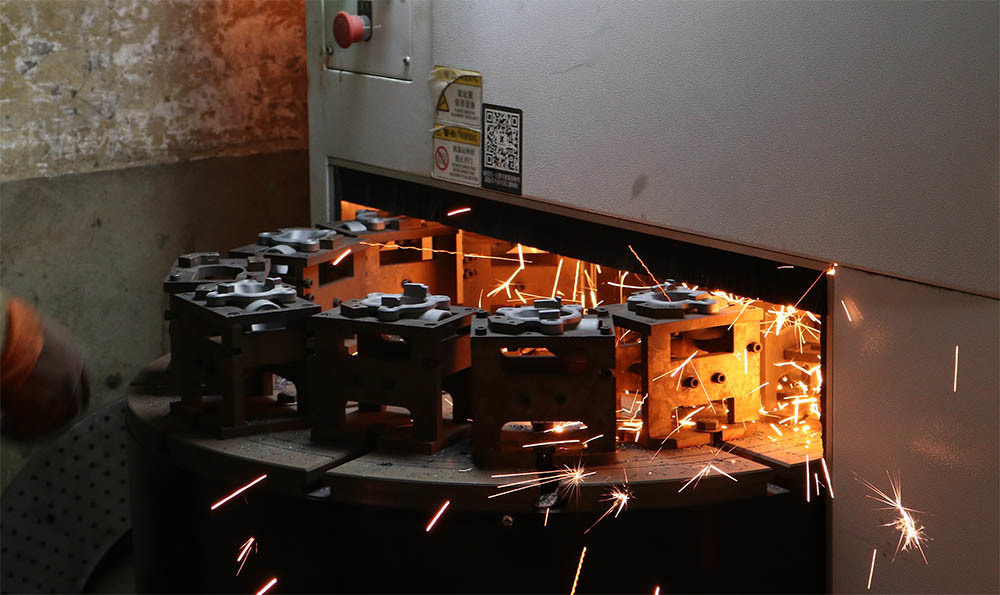
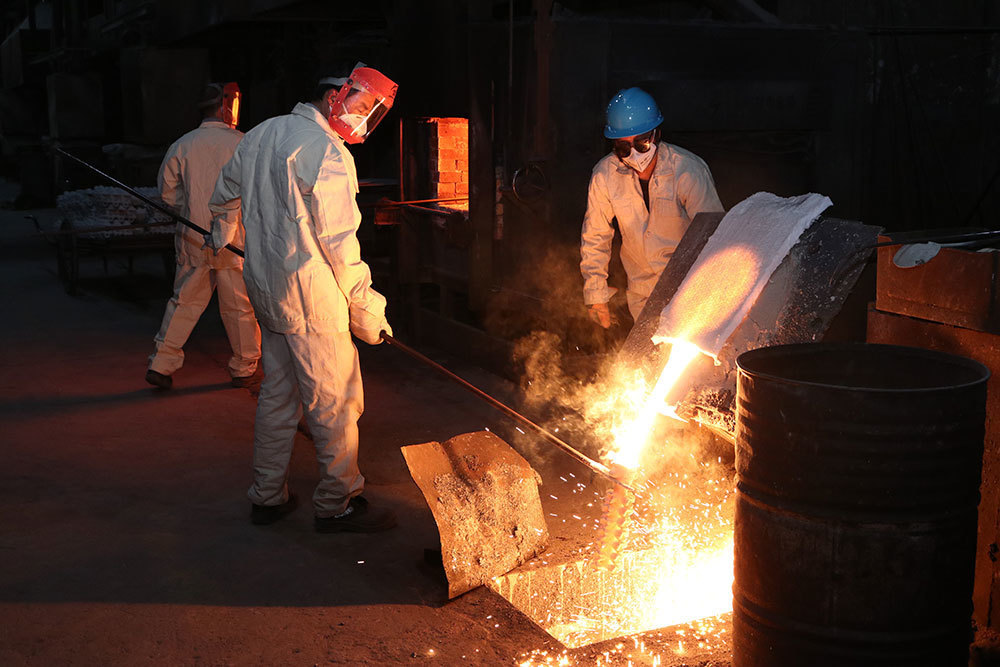
Furthermore, the manufacturing process of heat resistant steel casting involves advanced techniques such as investment casting and sand casting. These methods allow for the production of complex geometries and high precision, meeting the stringent tolerances required in industrial applications. Quality assurance measures, such as non-destructive testing and metallurgical analysis, are also implemented to ensure that the final products meet the necessary specifications for performance and safety.
In conclusion, heat resistant steel casting offers a robust solution for various industrial applications where high temperatures and corrosive environments are prevalent. Its unique properties and versatility make it a valuable material for enhancing the longevity and efficiency of critical components. By understanding the advantages and applications of heat resistant steel casting, professionals can make informed decisions that contribute to the success of their projects and operations.
One of the primary characteristics of heat resistant steel casting is its ability to maintain mechanical properties at high temperatures. Typically, these materials are formulated with specific alloying elements, such as chromium, nickel, and molybdenum, which enhance their thermal stability and resistance to deformation. The precise composition of these alloys can be tailored to meet the specific requirements of different applications, ensuring optimal performance under challenging conditions.
In addition to high-temperature resistance, heat resistant steel casting exhibits excellent corrosion resistance. This is particularly important in environments where exposure to harsh chemicals and oxidative agents is common. The alloying elements not only contribute to thermal performance but also form a protective oxide layer on the surface, which helps prevent further degradation of the material.
Applications of heat resistant steel casting are diverse and include components such as furnace parts, combustion chambers, heat exchangers, and turbine blades. In the energy sector, for example, these castings are integral to the operation of gas turbines, where they are exposed to extreme temperatures and pressures. Similarly, in the manufacturing of industrial boilers, heat resistant steel castings are critical for ensuring efficient energy transfer and system reliability.
Furthermore, the manufacturing process of heat resistant steel casting involves advanced techniques such as investment casting and sand casting. These methods allow for the production of complex geometries and high precision, meeting the stringent tolerances required in industrial applications. Quality assurance measures, such as non-destructive testing and metallurgical analysis, are also implemented to ensure that the final products meet the necessary specifications for performance and safety.
In conclusion, heat resistant steel casting offers a robust solution for various industrial applications where high temperatures and corrosive environments are prevalent. Its unique properties and versatility make it a valuable material for enhancing the longevity and efficiency of critical components. By understanding the advantages and applications of heat resistant steel casting, professionals can make informed decisions that contribute to the success of their projects and operations.
2024-01-20

2024-01-20
2188 Jiulong Avenue, Zhenhai, Ningbo, China
86-0574-86530988
sales@tianyecasting.com
