
2025-03-09
Understanding Auto Parts Exhaust Cycle Castings: A Comprehensive Overview


Auto parts exhaust cycle castings play a pivotal role in the automotive sector, specifically in the context of exhaust systems. These castings are integral components designed to manage and direct the flow of exhaust gases from an internal combustion engine to the atmosphere. The efficiency and performance of an automobile are significantly influenced by the quality and design of these castings.
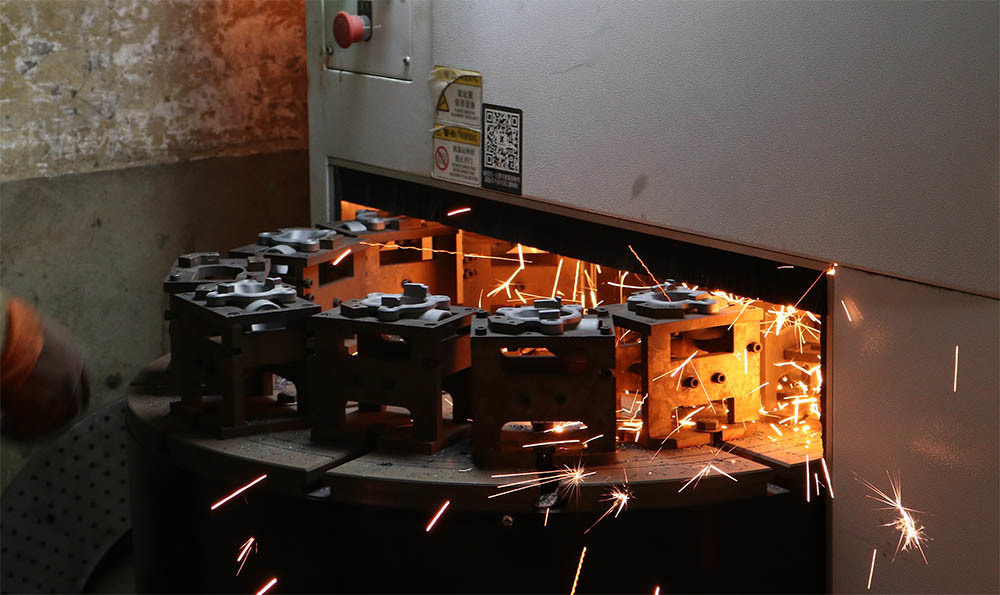
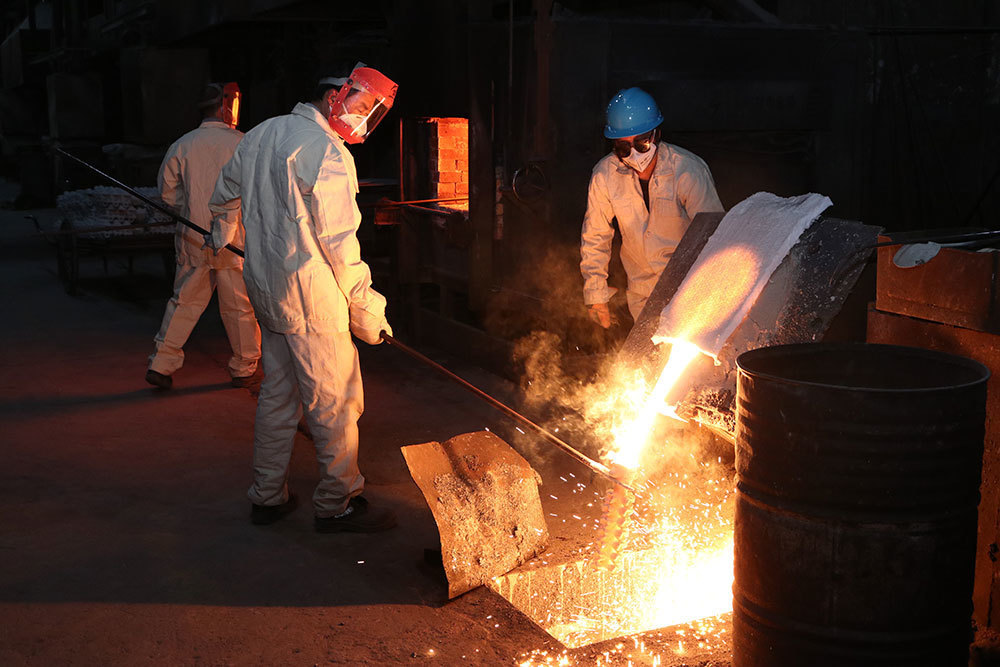
The manufacturing process of auto parts exhaust cycle castings typically involves techniques such as sand casting, investment casting, and die casting. Each method has its advantages depending on the required precision, volume, and material of the casting. For instance, sand casting is often favored for its versatility and cost-effectiveness, while investment casting is preferred for producing intricate shapes with high dimensional accuracy.
Materials used for exhaust cycle castings are crucial in ensuring durability and heat resistance. Common materials include aluminum, ductile iron, and stainless steel, each offering unique properties such as corrosion resistance, strength, and weight advantages. The selection of the appropriate material is vital for optimizing the performance of the exhaust system, as it directly impacts the component's ability to withstand high temperatures and aggressive environmental conditions.
In addition to performance benefits, auto parts exhaust cycle castings are essential for compliance with environmental regulations. Modern automotive exhaust systems are designed to reduce harmful emissions, and the quality of the castings directly influences the overall effectiveness of emission control technologies. By utilizing advanced casting techniques and high-quality materials, manufacturers can contribute to more sustainable automotive solutions.
Furthermore, understanding the design aspects of auto parts exhaust cycle castings can enhance their functionality. This involves considering factors such as flow dynamics, thermal expansion, and vibration resistance. Engineers often employ advanced simulation tools to analyze and optimize the flow characteristics within the castings, ensuring that they meet performance benchmarks.
As the automotive industry continues to evolve towards greener technologies, the role of auto parts exhaust cycle castings is becoming increasingly significant. Innovations such as lightweight materials and enhanced design methodologies are paving the way for more efficient exhaust systems that align with global sustainability goals.
In summary, auto parts exhaust cycle castings are a critical element in the functionality and efficiency of automotive exhaust systems. Their manufacturing involves complex processes and material selection, all aimed at enhancing performance and compliance with environmental standards. For professionals in the industrial equipment sector, understanding these components can lead to better design choices and improved product outcomes.
The manufacturing process of auto parts exhaust cycle castings typically involves techniques such as sand casting, investment casting, and die casting. Each method has its advantages depending on the required precision, volume, and material of the casting. For instance, sand casting is often favored for its versatility and cost-effectiveness, while investment casting is preferred for producing intricate shapes with high dimensional accuracy.
Materials used for exhaust cycle castings are crucial in ensuring durability and heat resistance. Common materials include aluminum, ductile iron, and stainless steel, each offering unique properties such as corrosion resistance, strength, and weight advantages. The selection of the appropriate material is vital for optimizing the performance of the exhaust system, as it directly impacts the component's ability to withstand high temperatures and aggressive environmental conditions.
In addition to performance benefits, auto parts exhaust cycle castings are essential for compliance with environmental regulations. Modern automotive exhaust systems are designed to reduce harmful emissions, and the quality of the castings directly influences the overall effectiveness of emission control technologies. By utilizing advanced casting techniques and high-quality materials, manufacturers can contribute to more sustainable automotive solutions.
Furthermore, understanding the design aspects of auto parts exhaust cycle castings can enhance their functionality. This involves considering factors such as flow dynamics, thermal expansion, and vibration resistance. Engineers often employ advanced simulation tools to analyze and optimize the flow characteristics within the castings, ensuring that they meet performance benchmarks.
As the automotive industry continues to evolve towards greener technologies, the role of auto parts exhaust cycle castings is becoming increasingly significant. Innovations such as lightweight materials and enhanced design methodologies are paving the way for more efficient exhaust systems that align with global sustainability goals.
In summary, auto parts exhaust cycle castings are a critical element in the functionality and efficiency of automotive exhaust systems. Their manufacturing involves complex processes and material selection, all aimed at enhancing performance and compliance with environmental standards. For professionals in the industrial equipment sector, understanding these components can lead to better design choices and improved product outcomes.
2024-01-20

2024-01-20
2188 Jiulong Avenue, Zhenhai, Ningbo, China
86-0574-86530988
sales@tianyecasting.com
