
2025-09-19
Unlocking the Secrets of Alloy Precision Casting in Modern Manufacturing


The Rise of Alloy Precision Casting
Ah, the world of manufacturing! Ever-evolving and filled with techy wonders, it's a place where innovation reigns supreme. One of the unsung heroes in this realm is alloy precision casting. With its ability to produce complex shapes with astonishing accuracy, it's become a go-to method in various industries. But what's the deal? Let's dive in!
What is Alloy Precision Casting?
Simply put, alloy precision casting is a process that involves pouring molten metal into a mold to create precise parts. But it's not just any metal; we're talking about alloys—metals combined to enhance properties like strength, durability, and resistance to corrosion. Imagine trying to bake a cake and using the perfect mix of ingredients to get that fluffy texture. That's alloy precision casting for you!
Applications Galore!
Now, let's get to the juicy bit. Where do we see this nifty process in action? alloy precision casting is everywhere! From aerospace to automotive, and even in medical devices, this technique is crucial. Just think about it: the lightweight components in airplanes or the intricate parts in heart pumps. Without alloy precision casting, these marvels of engineering might still be stuck in the drawing board!
Aerospace Industry
In the aerospace sector, every gram matters. alloy precision casting allows manufacturers to create lightweight yet sturdy components. By using specialized alloys, they can withstand the extreme conditions of flight while minimizing weight. Talk about a win-win!
Automotive Advancements
In the automotive world, efficiency is key. alloy precision casting helps produce complex engine parts and transmission components, which not only improve performance but also enhance fuel efficiency. Who doesn't want to save a few bucks at the pump?
The Process Unveiled
Alright, let's break it down! The alloy precision casting process typically involves a few key steps:
- Pattern Creation: A pattern of the desired part is made, usually from a material that can withstand heat.
- Mold Making: This pattern is used to create a mold, often made from sand or metal.
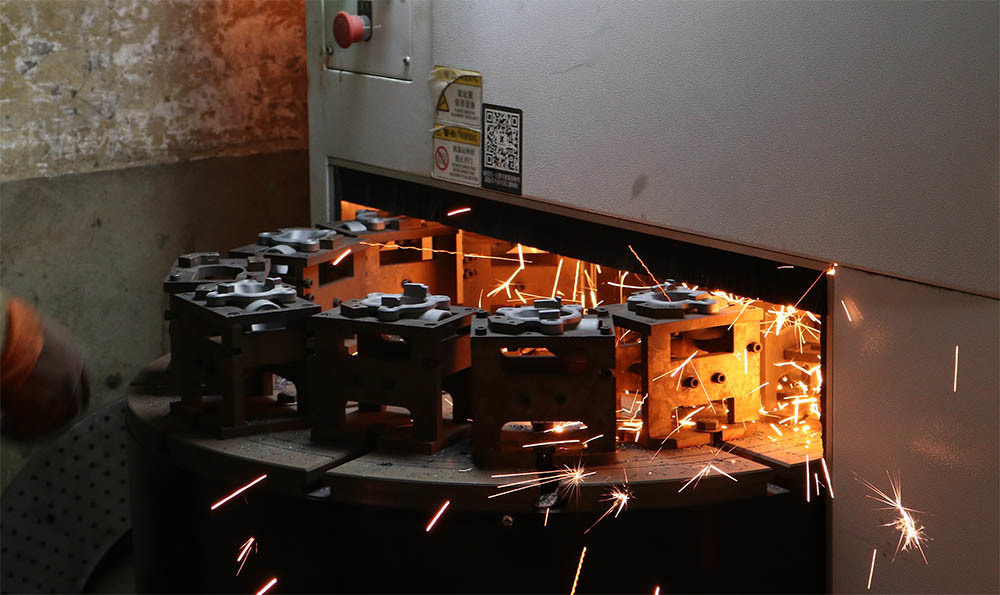
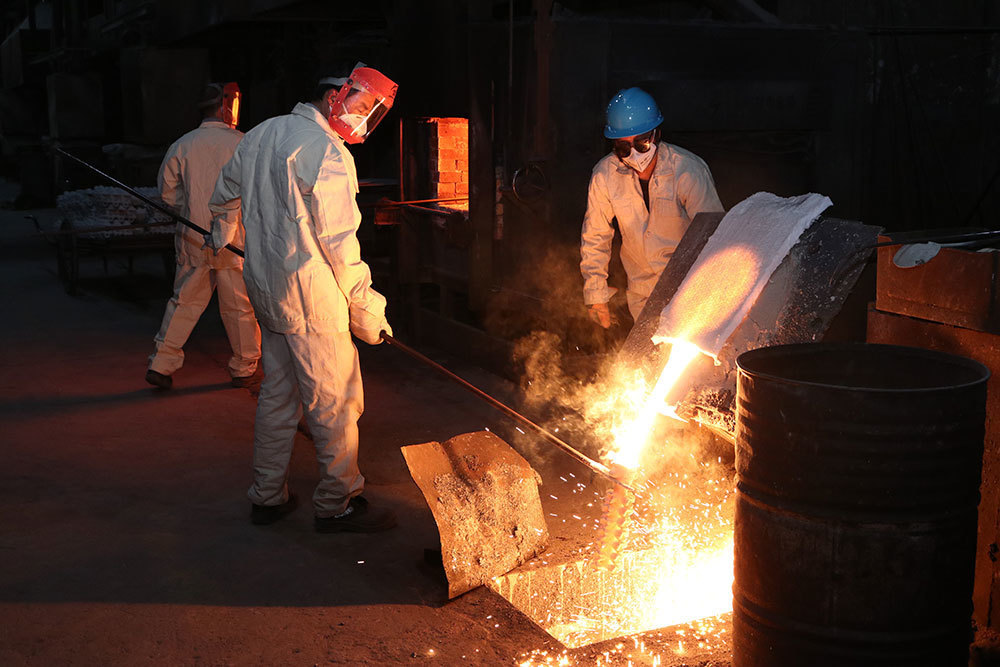
- Melting and Pouring: The chosen alloy is melted and then poured into the mold.
- Cooling: Once cooled, the mold is removed, revealing the cast part.
- Finishing Touches: Finally, the part is cleaned and any necessary finishing processes are performed.
It's like a symphony of steps that come together to create a masterpiece!
Quality Control: The Unsung Hero
No one wants a faulty product, right? That's why quality control is essential in alloy precision casting. Manufacturers employ rigorous testing methods to ensure that every part meets the highest standards. From non-destructive testing to dimensional checks, they leave no stone unturned. After all, safety and reliability are paramount!
Looking Ahead: The Future of Alloy Precision Casting
So, what's next for alloy precision casting? With advancements in technology, we're likely to see even more innovative alloys and improved casting techniques. The integration of AI and automation could streamline the process, making it faster and more efficient. Imagine a world where custom parts can be produced on-demand with just a few clicks!
Final Thoughts
In the grand tapestry of manufacturing, alloy precision casting shines like a diamond. With its versatility, accuracy, and efficiency, it's a process that's here to stay. So, next time you marvel at an aircraft soaring through the skies or a sleek car cruising down the highway, just remember the magic of alloy precision casting at work!
2024-01-20

2024-01-20
2188 Jiulong Avenue, Zhenhai, Ningbo, China
86-0574-86530988
sales@tianyecasting.com
