
2025-09-21
Unveiling the Marvels of the Metal Casting Process


Understanding the Metal Casting Process
Have you ever wondered how those intricate metal parts come to life? Well, let's dive into the fascinating world of the metal casting process. This age-old technique has been a game-changer in manufacturing, turning molten metal into precise components that power our daily lives.
A Brief History
Believe it or not, metal casting dates back thousands of years! Ancient civilizations like the Egyptians and Chinese mastered this process long before modern technology made it a staple in factories. The basic idea remains the same: pouring liquid metal into a mold and letting it solidify. But oh, how the methods have evolved!
Types of Metal Casting Processes
So, here's the lowdown: there are several types of casting processes, each with its own flair. Let's break it down:
- Sand Casting: This is the bread and butter of casting. It's simple, cost-effective, and versatile. Perfect for producing large parts!
- Die Casting: Here's where precision comes into play. Metal is injected into a mold under high pressure. Think of it as the fast food of metal casting—quick and efficient!
- Investment Casting: Also known as lost-wax casting, this method is used for creating intricate designs. It's like crafting a fine piece of jewelry!
- Centrifugal Casting: For those cylindrical parts, this method spins the mold to distribute the metal evenly. Talk about a whirlwind of activity!
The Step-by-Step Journey
Now, let's get into the nitty-gritty. The metal casting process typically involves these key steps:
- Pattern Making: First things first, a pattern is created. This can be made from wood, plastic, or metal. It's basically a prototype of the final product.
- Mold Preparation: Next, the pattern is used to create a mold. Sand or metal molds are formed around the pattern, capturing every detail.
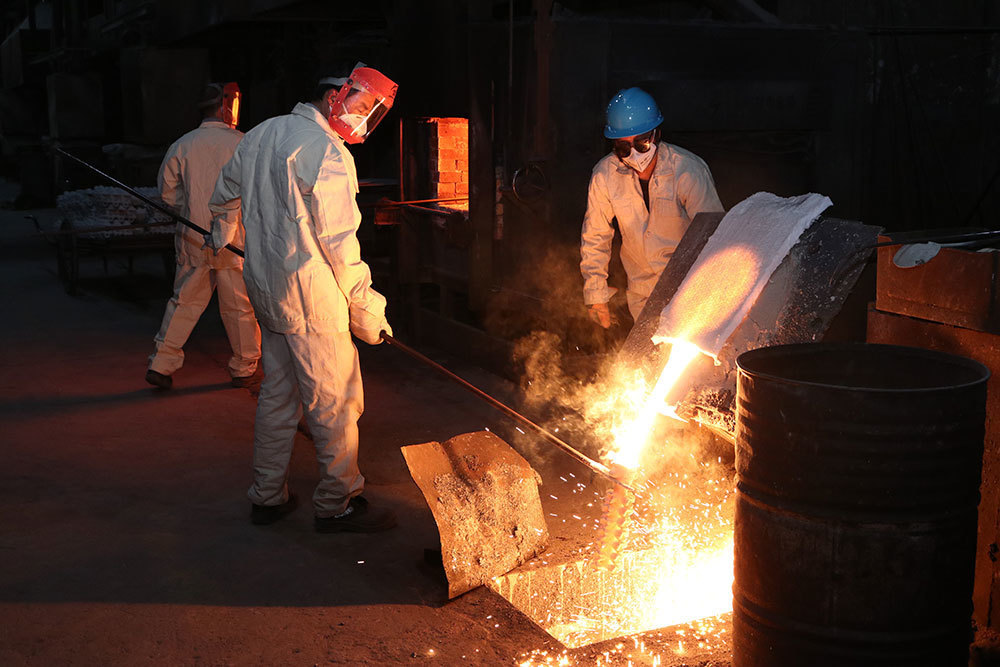
- Melting the Metal: Here comes the fun part! The selected metal is heated until it's molten. This can be done using various methods, like induction or electric arc furnaces.
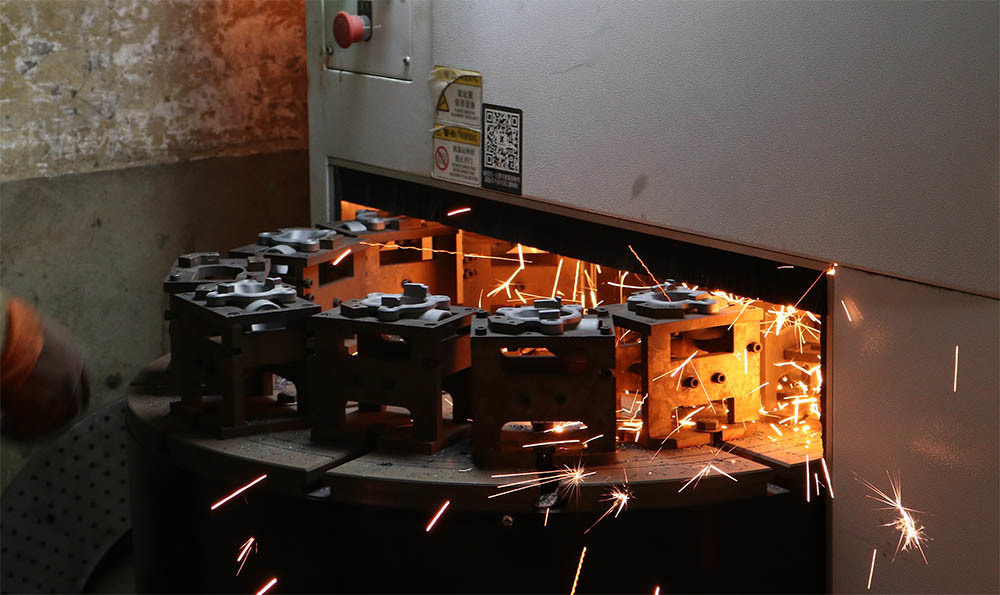
- Pouring: With the mold ready, the molten metal is poured in. Timing is crucial here—too fast, and you'll get splashes; too slow, and it might solidify before it fills the mold!
- Cooling: Once the metal has cooled and solidified, it's time to break the mold and reveal the cast part!
Why Metal Casting Matters
You might be thinking, “Okay, but why should I care?” Well, let me tell you—it's everywhere! From automotive parts to aerospace components, the metal casting process plays a crucial role in various industries. It allows for the production of complex shapes that would be nearly impossible to achieve using other methods. Talk about versatility!
The Future of Metal Casting
As we look ahead, the metal casting process is set to embrace cutting-edge technology. Innovations like 3D printing are shaking things up, allowing for even greater precision and customization. Plus, with a push for sustainability, greener methods of casting are emerging to reduce waste and energy consumption.
In Conclusion
So there you have it! The metal casting process is not just a manufacturing method; it's a blend of art and science. With its rich history and bright future, this process continues to shape the world around us. Whether you're an industry insider or just a curious mind, the world of metal casting is definitely worth exploring!
2024-01-20

2024-01-20
2188 Jiulong Avenue, Zhenhai, Ningbo, China
86-0574-86530988
sales@tianyecasting.com
