
2025-09-24
Unveiling the Magic: The Metal Casting Process You Need to Know


The Metal Casting Process: An Overview
Hey there! Ever found yourself wondering how your favorite metal objects are made? Whether it's the sleek cars zooming down the highway or the intricate designs in jewelry, it all starts with the metal casting process. Let's dive into this captivating world and get our hands dirty!
What is Metal Casting?
In layman's terms, metal casting is a method where molten metal is poured into a mold to solidify into a specific shape. Sounds simple, right? But there's a whole lot more under the hood. Different techniques, materials, and designs come together to create everything from engine parts to artistic sculptures.
The Nuts and Bolts of the Process
Alright, let's break it down:
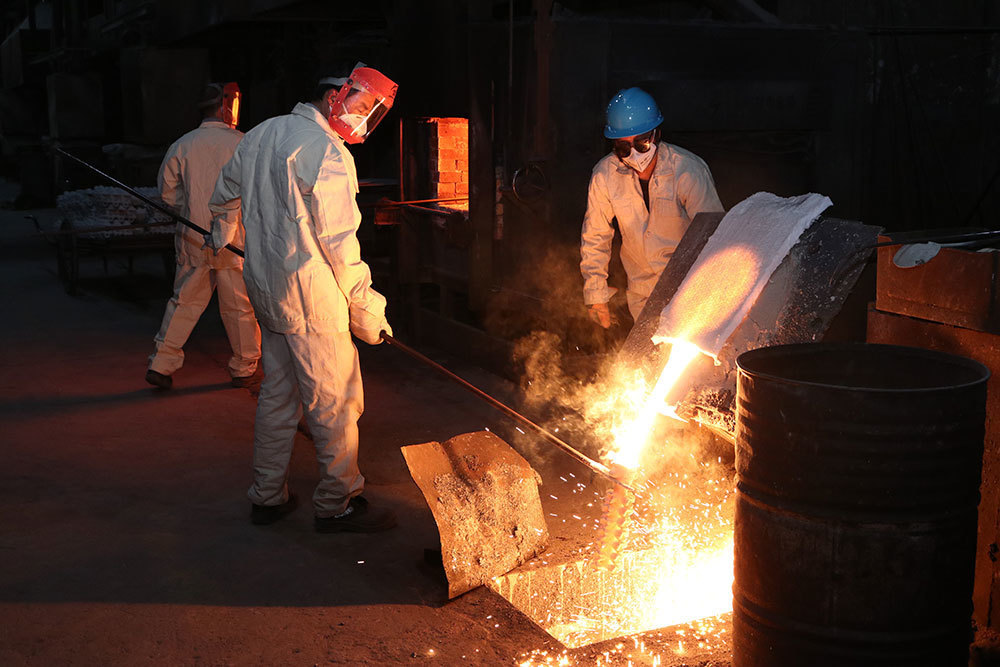
- Melting: The first step involves heating the metal until it becomes liquid. This can be done using various furnaces, depending on the type of metal being used.
- Molding: Next, the molten metal is poured into a mold. This mold can be made from materials like sand, metal, or ceramic, and it determines the shape of the final product.
- Cooling: Patience is key here! The metal needs time to cool and solidify. This can take anywhere from a few minutes to several hours, depending on the size and thickness of the casting.
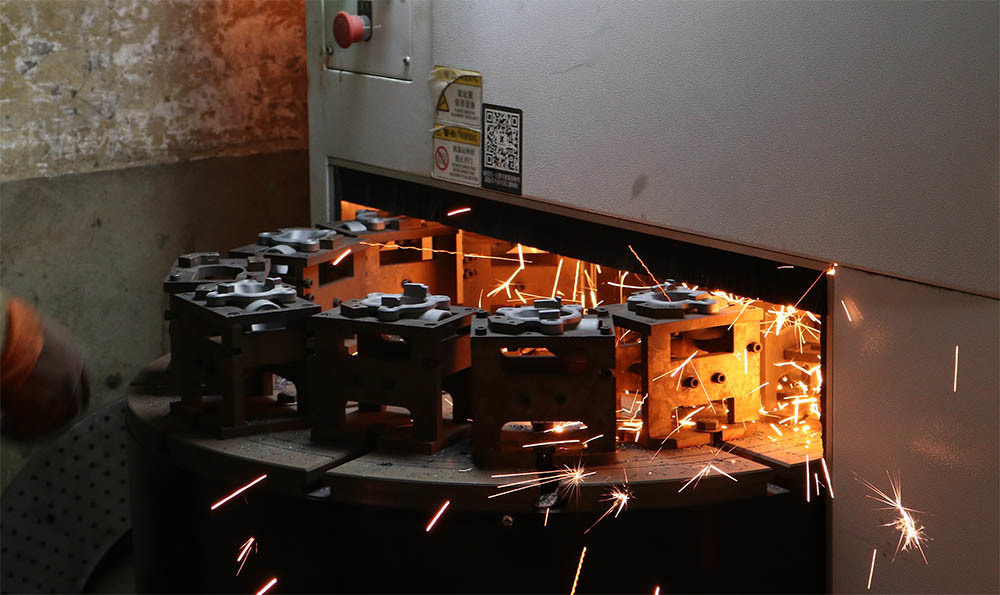
- Finishing: Once cooled, the mold is removed, and any excess material is cut away. This is also where additional finishing processes, like polishing or coating, come into play.
Types of Metal Casting Processes
Now that we're on the same page about what metal casting is, let's explore the different types:
- Sand Casting: This is one of the oldest methods and is perfect for larger parts. It uses a sand mold, which can be easily shaped and reused.
- Die Casting: This technique is great for mass production. It involves forcing molten metal into a metal mold, creating precise and detailed parts.
- Investment Casting: Also known as lost-wax casting, this method produces high-precision parts. It's often used in jewelry making and aerospace applications.
- Centrifugal Casting: In this process, the mold spins while the metal is poured in. This technique is excellent for cylindrical parts, like pipes.
Applications of Metal Casting
So, where do we see this magic in action? The metal casting process plays a crucial role in various industries:
- Automotive: Engine blocks, transmission cases, and other components are often made using casting techniques.
- Aerospace: Lightweight and strong components are essential in this industry, and casting provides the perfect solution.
- Art and Sculpture: Artists have embraced metal casting to create stunning sculptures and installations that stand the test of time.
The Future of Metal Casting
As technology advances, so does the metal casting process. Innovations like 3D printing and computer-aided design (CAD) are revolutionizing how we approach casting. These advancements not only improve efficiency but also allow for more complex designs that were once thought impossible.
Final Thoughts
From the art of creating jewelry to the engineering marvels of the automotive and aerospace industries, the metal casting process is a fascinating blend of science and artistry. So, the next time you admire a metal object, take a moment to appreciate the intricate process that brought it to life. Who knew metal could be so magical?
2024-01-20

2024-01-20
2188 Jiulong Avenue, Zhenhai, Ningbo, China
86-0574-86530988
sales@tianyecasting.com
