
2025-09-30
The Ins and Outs of Gearbox Shift Fork Casting: What You Need to Know


What is Gearbox Shift Fork Casting?
Ever wondered how your car effortlessly transitions between gears? Well, a big part of that smooth ride is thanks to the gearbox shift fork casting. This nifty component plays a crucial role in the mechanical ballet of your vehicle's transmission system. Simply put, the gearbox shift fork casting helps to engage and disengage the gears, ensuring that your ride is as smooth as butter on toast.
The Role of the Gearbox Shift Fork
Picture this: You're cruising down the highway, tunes blasting, and you need to shift gears. The gearbox shift fork, made from high-quality casting, makes this transition seamless. It acts as a mediator between the gear lever and the gears themselves. When you pull on that gear stick, the shift fork moves to either engage or disengage the gears, allowing for that oh-so-sweet shift. If it weren't for this little hero, you'd be stuck grinding gears like an amateur!
The Casting Process
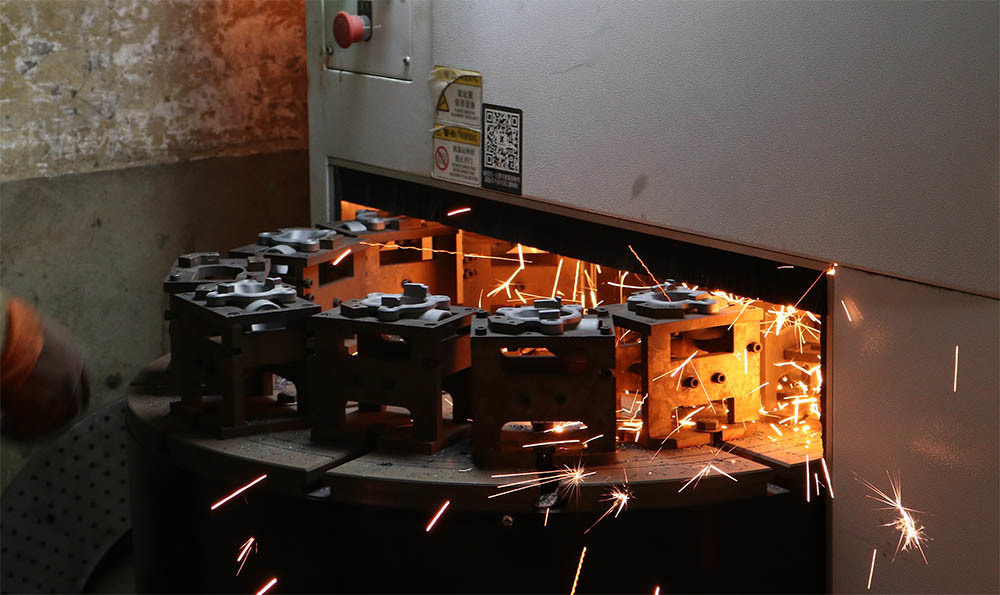
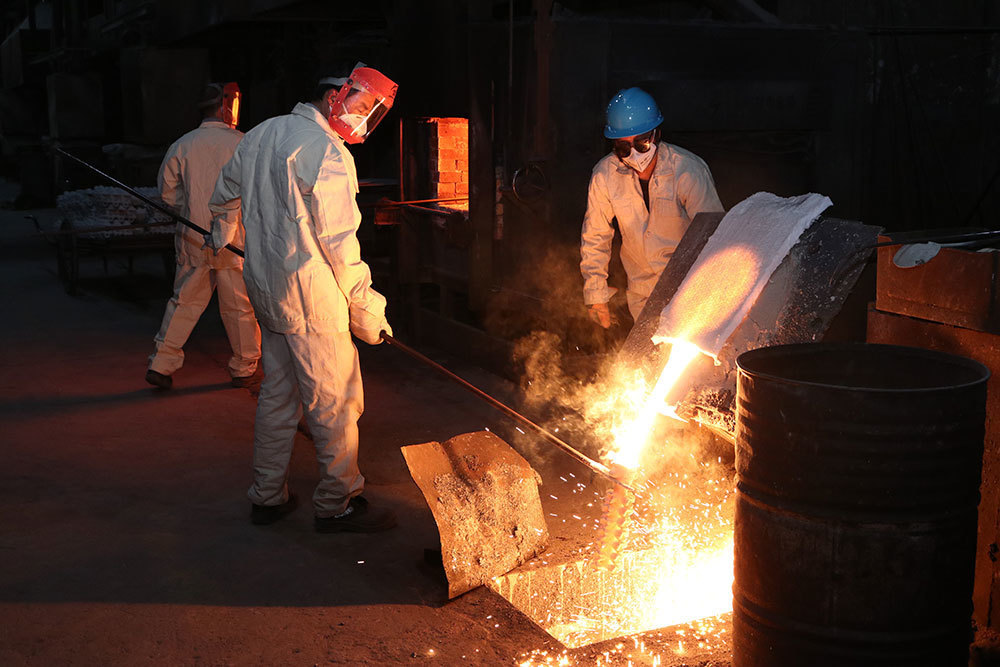
Now, let's dive a bit deeper into how gearbox shift fork castings are made. Casting is an age-old method where molten metal is poured into a mold to create the desired shape. Think of it like baking a cake, where the batter (or molten metal, in this case) takes the shape of the pan. The casting process for shift forks is meticulous, ensuring that every piece is strong enough to handle the stresses of shifting gears. And trust me, it's no walk in the park; the casting must be precise to avoid any weak spots that could lead to catastrophic failures down the line.
Material Matters
When it comes to materials, steel and aluminum are the usual suspects. Each has its perks; steel is robust and can take a beating, while aluminum is lighter and can improve fuel efficiency. Manufacturers often choose the material based on the specific performance requirements of the vehicle. So, the next time you see a shiny new car, remember that it's likely equipped with a gearbox shift fork casting that's been carefully crafted with materials that balance strength and weight.
Why Quality Matters
Here's a thought: not all gearbox shift fork castings are created equal. While some are churned out en masse, others are crafted with love and precision. High-quality castings ensure longevity and performance, while shoddy ones might lead to all sorts of headaches. A poor-quality fork can cause gear slippage, premature wear, or even complete transmission failure! Yikes! So, if you're in the market for a new transmission, make sure you check the quality of the gearbox shift fork casting.
The Future of Gearbox Shift Fork Casting
With technology evolving at lightning speed, the future looks bright for gearbox shift fork castings. Innovations like 3D printing and advanced composite materials are on the horizon. These new methods could lead to even lighter and stronger components, enhancing vehicle performance and efficiency. Can you imagine a world where your car shifts gears smoother than a hot knife through butter? Count me in!
Final Thoughts
In conclusion, the gearbox shift fork casting is an unsung hero in the automotive world. It's pivotal for smooth gear transitions and overall vehicle performance. Whether you're a gearhead or just someone who enjoys a smooth ride, understanding this component can deepen your appreciation for the engineering marvel that is your car. So next time you take a drive, give a little nod of respect to the gearbox shift fork casting and all the hard work it does behind the scenes!
2024-01-20

2024-01-20
2188 Jiulong Avenue, Zhenhai, Ningbo, China
86-0574-86530988
sales@tianyecasting.com
