
2025-10-01
Unveiling the Wonders of Heat Resistant Steel Casting


The Backbone of Extreme Conditions
When it comes to high-stress environments, where temperatures soar and metal fatigue is a legitimate concern, heat resistant steel casting is the hero we didn't know we needed. This specialized form of casting is engineered to withstand intense heat, making it a cornerstone in industries that deal with extreme conditions, such as aerospace, automotive, and power generation. But what exactly makes this steel casting so unique?
What is Heat Resistant Steel Casting?
To put it simply, heat resistant steel casting refers to a type of steel that can endure high temperatures without losing its structural integrity. This means it can maintain its strength and resist warping or cracking even when exposed to the fiery furnaces of industry. The alloy composition is specifically designed to withstand thermal stresses, making it suitable for components like turbines, exhaust manifolds, and heat exchangers.
Why Does It Matter?
You might wonder, why should we care about this specific type of steel? Well, in our fast-paced world, efficiency is key. Using heat resistant steel casting can significantly enhance the durability and performance of machinery, leading to fewer breakdowns and less downtime. And let's face it, who wants to deal with unexpected repairs, right?
Applications Galore
Heat resistant steel casting is not just a one-trick pony. It finds its way into various applications:
- Aerospace: Components that need to withstand extreme temperatures during flight.
- Automotive: Exhaust systems that can resist the heat generated from high-performance engines.
- Energy Production: Turbines and boilers that operate under intense conditions.
Without this innovative material, we would be facing a whole lot of safety and efficiency issues.
How is It Made?
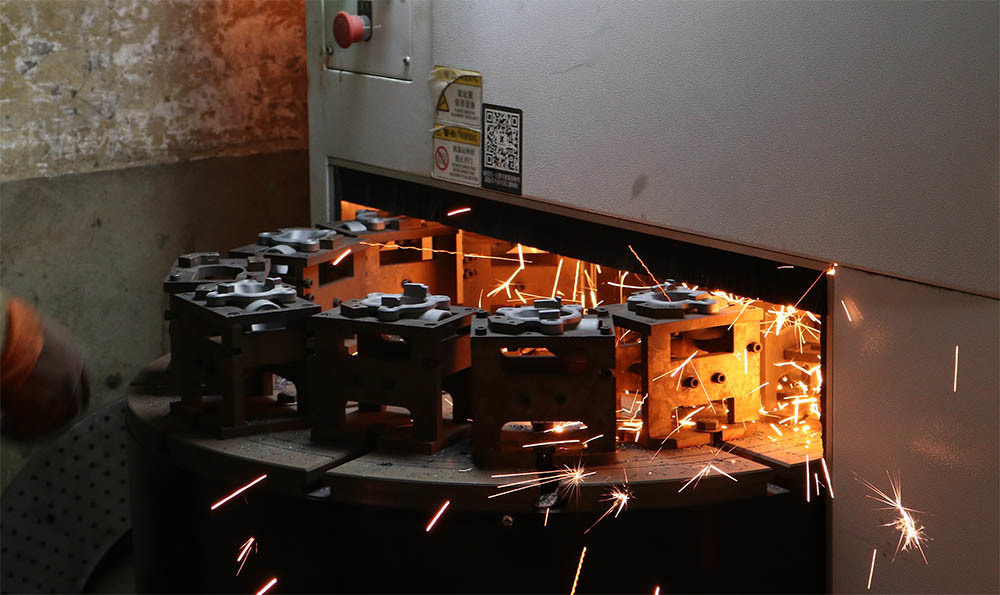
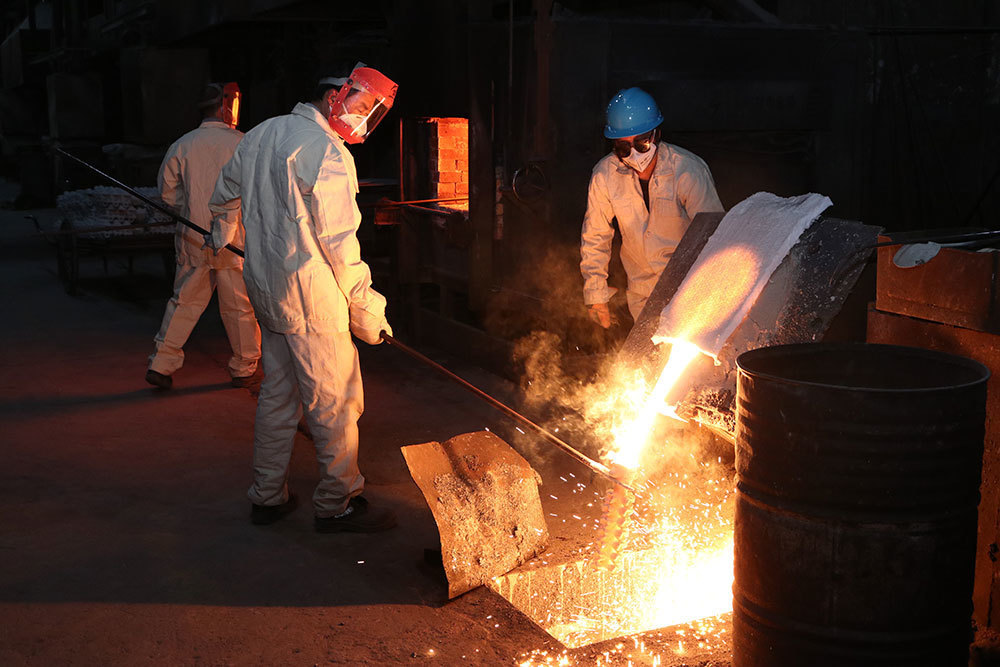
The process of creating heat resistant steel casting is a marvel of modern engineering. It typically involves:
- Alloying: Combining various elements like nickel, chromium, and molybdenum to enhance thermal resistance.
- Melting: The mixture is melted down in a furnace at high temperatures.
- Pouring: The liquid metal is then poured into molds to create the desired shape.
- Cooling: Finally, it's cooled in a controlled environment to ensure optimal strength.
This meticulous process ensures that every component produced meets stringent quality standards.
Challenges Ahead
Of course, it's not all sunshine and rainbows. The production of heat resistant steel casting comes with its own set of challenges, such as:
- Cost: The alloys used can be pricey, which can drive up production costs.
- Complexity: The manufacturing process requires advanced technology and skilled workers.
But, the benefits often outweigh these hurdles, making it a worthwhile investment for many companies.
The Future is Bright
As industries continue to evolve and demand more robust materials, the importance of heat resistant steel casting is set to grow. With advancements in technology, we can expect enhancements in its properties and applications. This means lighter, stronger, and more efficient components that can withstand the test of time.
In Conclusion
Heat resistant steel casting is more than just a technical term; it's a game changer in the world of manufacturing. As we push the boundaries of what's possible, this remarkable material stands as a testament to human ingenuity and our quest for efficiency in extreme environments. So, next time you're cruising down the highway or flying high in the sky, take a moment to appreciate the unsung hero that makes it all possible.
2024-01-20

2024-01-20
2188 Jiulong Avenue, Zhenhai, Ningbo, China
86-0574-86530988
sales@tianyecasting.com
