
2025-10-04
The Marvels of Heat Resistant Steel Casting: A Game Changer in Industry


Introduction to Heat Resistant Steel Casting
Ever wondered how industries cope with extreme temperatures? Well, let me tell you, heat resistant steel casting is the secret sauce. This innovative process involves creating metal components that can withstand high heat without losing their structural integrity. Talk about a lifesaver for manufacturers!
What is Heat Resistant Steel Casting?
At its core, heat resistant steel casting refers to the casting of steel alloys that maintain their strength and hardness at elevated temperatures. This means they're perfect for environments like power plants and aerospace, where extreme conditions are the norm. Seriously, without these super-steels, we'd be in a bit of a pickle!
The Process Behind the Magic
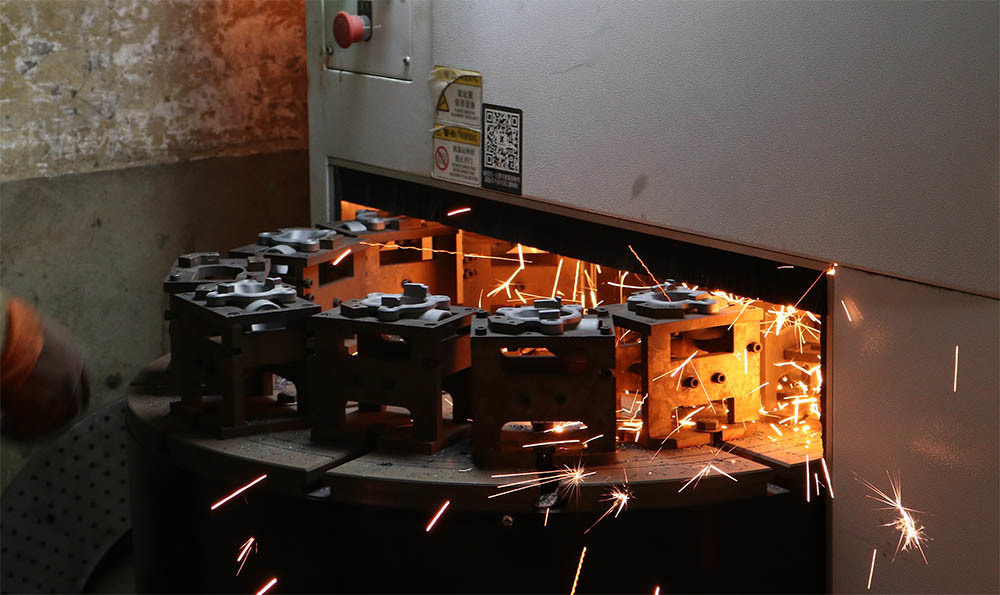
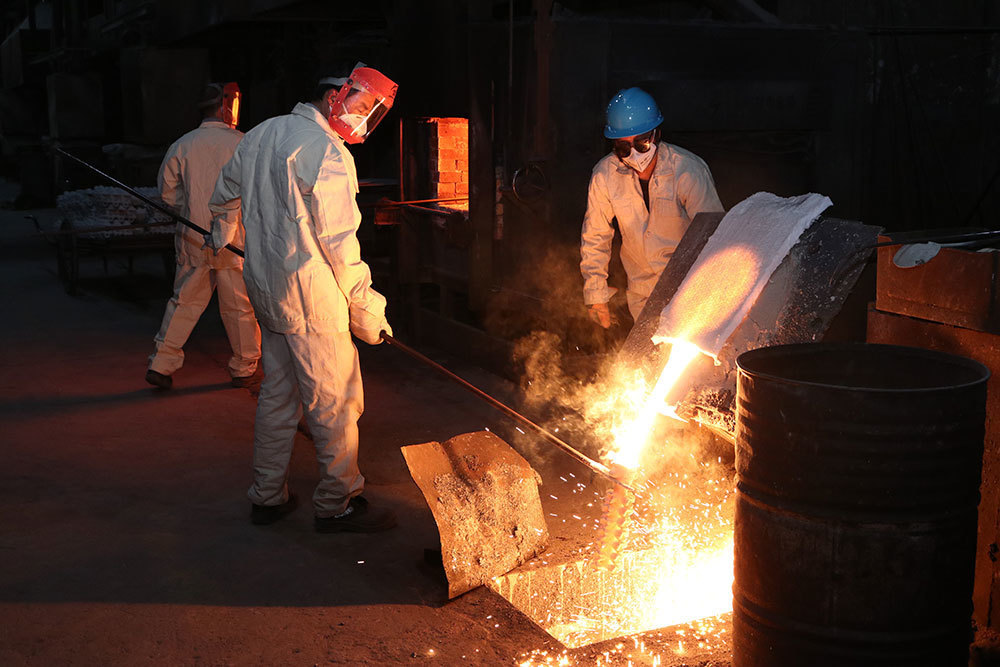
So, how does it all come together? The process starts with selecting high-quality raw materials, which are then melted in a furnace. Once melted, the molten metal is poured into a mold. After cooling and solidifying, the casting undergoes various treatments to enhance its heat resistance. Voilà! You've got yourself a robust component ready to face the heat.
Why It Matters
Okay, let's break it down. Why should anyone care about heat resistant steel casting? First off, it increases the lifespan of industrial equipment, reducing maintenance costs. Plus, it allows manufacturers to push the boundaries of design and engineering. Talk about a win-win!
Applications Galore!
Heat resistant steel castings are truly versatile. You'll find them in:
- Power Generation: Turbines and boiler components.
- Aerospace: Engine parts that can take the heat.
- Oil and Gas: Equipment that operates under immense pressure and temperature.
These applications are just the tip of the iceberg! The demand is skyrocketing, and it's no wonder why.
Benefits of Using Heat Resistant Steel Castings
Let's get to the juicy part—why should industries invest in heat resistant steel casting? Here are some compelling reasons:
- Durability: These materials can withstand the harshest conditions.
- Cost-Effectiveness: Lower maintenance and replacement costs.
- Design Flexibility: Engineers can create complex shapes that were once impossible.
- Sustainability: Long-lasting materials contribute to a more sustainable future.
In short, it's not just about surviving; it's about thriving!
Challenges in the Industry
Now, let's be realistic. The field isn't all sunshine and rainbows. There are challenges, like the high costs of raw materials and the intricacies of the casting process. Furthermore, achieving the right balance of heat resistance without compromising other mechanical properties can be a bit tricky. But hey, where there's a will, there's a way!
The Future Looks Bright
Looking ahead, the future of heat resistant steel casting is promising. With advancements in technology and materials science, we can expect even more efficient and effective solutions. Innovations are brewing, and they could revolutionize industries worldwide. Hold onto your hats—it's going to be an exciting ride!
Conclusion
In wrapping up, heat resistant steel casting is more than just a technical term; it's a crucial component of modern manufacturing processes. Its ability to withstand extreme temperatures while maintaining strength makes it indispensable in various industries. So, next time you see a turbine spinning or a jet soaring through the sky, remember the unsung hero behind the scenes—heat resistant steel casting!
2024-01-20

2024-01-20
2188 Jiulong Avenue, Zhenhai, Ningbo, China
86-0574-86530988
sales@tianyecasting.com
